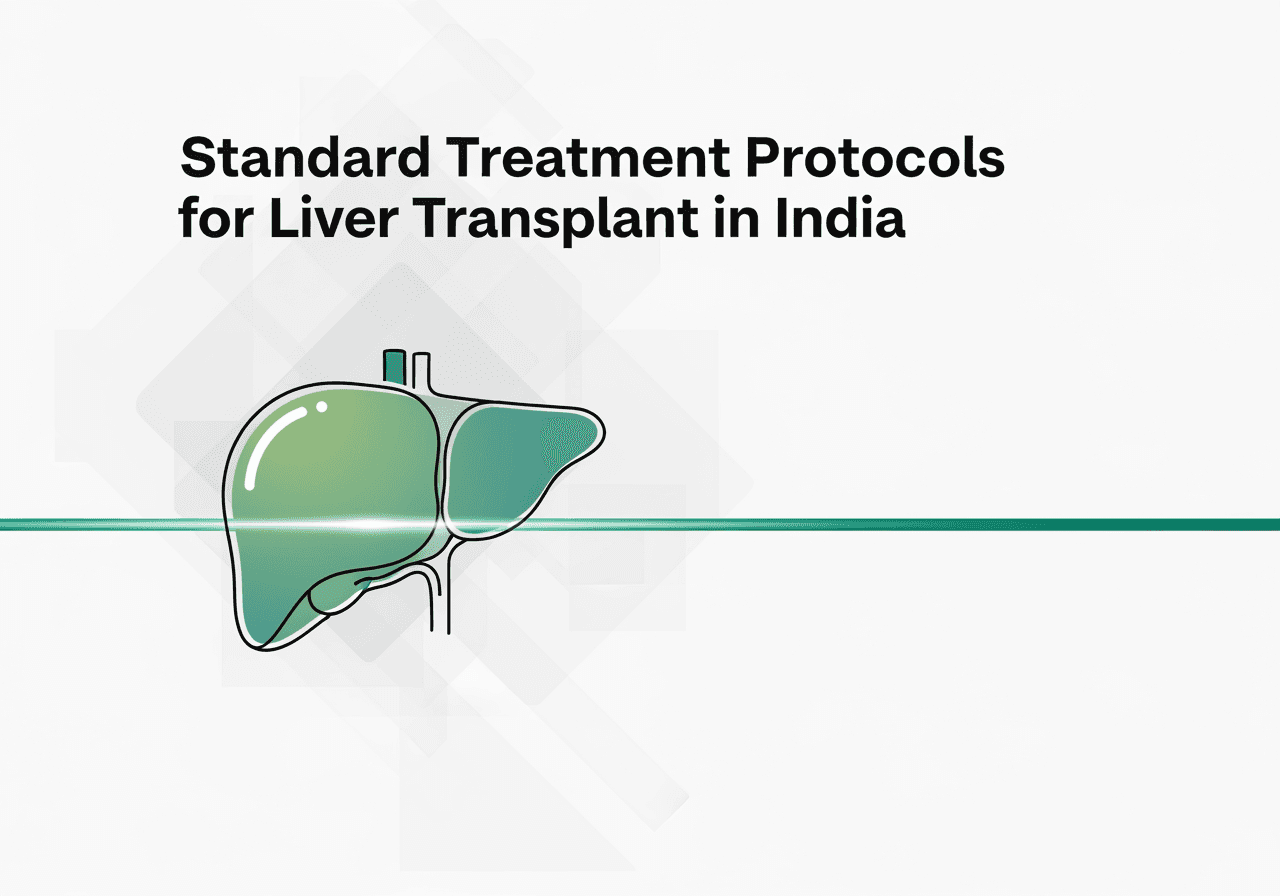
Standard Treatment Protocols for Liver Transplant in India
06 Dec, 2025
 Healthtrip
- Overview of Liver Transplant Standard Treatment Protocols in India
- Who Needs a Liver Transplant in India? - Eligibility Criteria
- Pre-Transplant Evaluation: Assessing Patient Suitability
- The Liver Transplant Procedure: A Step-by-Step Guide
- Post-Operative Care and Recovery: What to Expect
- Leading Liver Transplant Centers in India: Fortis Memorial Research Institute, Gurgaon and Max Healthcare Saket
- Cost of Liver Transplant in India: Factors and Considerations
- Conclusion: Advancements and Future of Liver Transplantation in India
Pre-Transplant Evaluation and Preparation
The journey towards a liver transplant begins with a comprehensive evaluation to determine a patient's suitability for the procedure. This involves a thorough medical history review, physical examination, and a series of diagnostic tests including blood tests, imaging scans (such as CT scans and MRIs), and liver biopsies. The evaluation aims to assess the severity of the liver disease, identify any underlying medical conditions, and evaluate the patient's overall health status. Doctors at leading hospitals like Fortis Hospital, Noida carefully assess each candidate. Psychological and social evaluations are also critical parts of this phase. This helps the transplant team understand the patient’s emotional preparedness and support system, which plays a significant role in the success of the transplant. If deemed a suitable candidate, the patient is placed on a waiting list, and in the meantime, the patient continues to be monitored closely and receives medical management to optimize their health and prevent complications. Moreover, Healthtrip can assist in coordinating your appointments with specialists at renowned facilities and provide guidance on navigating the pre-transplant process, ensuring you feel supported and informed every step of the way.
Most popular procedures in India


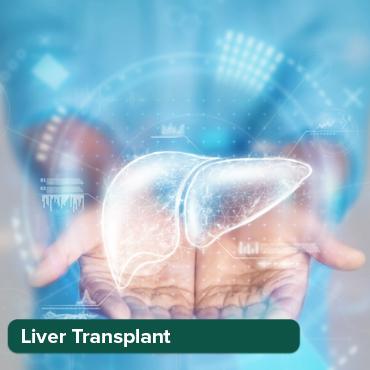
The Liver Transplant Procedure
The liver transplant procedure itself is a complex surgical undertaking, typically lasting several hours. The damaged liver is carefully removed, and the donor liver is meticulously implanted in its place. The surgical team ensures that all blood vessels and bile ducts are properly connected to allow for normal liver function. There are two main types of liver transplants: deceased donor transplants, where the liver comes from a recently deceased individual, and living donor transplants, where a portion of a healthy person's liver is removed and transplanted into the recipient. The choice between these depends on various factors, including the availability of deceased donor organs and the suitability of potential living donors. Hospitals like Fortis Shalimar Bagh are equipped with advanced surgical facilities and experienced transplant surgeons who adhere to the highest standards of care, ensuring the best possible outcome for patients. During the surgery, the patient is closely monitored to maintain stable vital signs and minimize the risk of complications. Healthtrip facilitates access to information and personalized support for patients considering liver transplantation, helping them understand the surgical process and make informed decisions about their treatment options.
Post-Transplant Care and Management
The period following a liver transplant is crucial for long-term success. Patients require intensive monitoring to detect and manage any potential complications, such as rejection, infection, or bleeding. Immunosuppressant medications are a cornerstone of post-transplant care, preventing the body from rejecting the new liver. These medications must be taken for life, and their dosages are carefully adjusted to balance the need for immunosuppression with the risk of side effects. Regular follow-up appointments are essential to monitor liver function, adjust medications as needed, and provide ongoing support and education. Lifestyle modifications, such as maintaining a healthy diet, exercising regularly, and avoiding alcohol and tobacco, are also crucial for maintaining long-term liver health. Healthtrip provides comprehensive support for post-transplant care, connecting patients with experienced healthcare professionals and providing resources to help them manage their medications, monitor their health, and maintain a healthy lifestyle. For instance, you can explore options at hospitals such as LIV Hospital, Istanbul, which offers comprehensive post-transplant care. Our goal is to ensure that you receive the highest quality care and support throughout your transplant journey, empowering you to live a full and active life.

Wellness Treatments
Give yourself the time to relax
Lowest Prices Guaranteed!

Lowest Prices Guaranteed!
Overview of Liver Transplant Standard Treatment Protocols in India
Liver transplantation in India has emerged as a beacon of hope for individuals grappling with end-stage liver diseases. As a leading medical tourism facilitator, Healthtrip recognizes the critical need for comprehensive information regarding this complex procedure. This blog post aims to provide a detailed overview of the standard treatment protocols for liver transplantation in India, ensuring that patients and their families are well-informed and prepared for this life-saving journey. The evolution of liver transplantation in India is a remarkable success story, marked by continuous advancements in surgical techniques, immunosuppression protocols, and post-operative care. Initially, the procedure was limited to a few specialized centers, but today, numerous hospitals across the country offer comprehensive liver transplant programs. These programs adhere to stringent international standards, ensuring optimal patient outcomes. The Indian healthcare system has made significant strides in making liver transplantation more accessible and affordable, attracting patients from across the globe seeking high-quality treatment at competitive prices. Healthtrip is committed to connecting patients with the best medical facilities and expert surgeons, facilitating a seamless and stress-free treatment experience. From initial consultations to post-operative follow-ups, we provide personalized support to ensure that every patient receives the best possible care.
Who Needs a Liver Transplant in India? - Eligibility Criteria
Determining who needs a liver transplant is a multifaceted process, guided by strict eligibility criteria to ensure the best possible outcomes. Liver transplantation is typically considered for individuals with end-stage liver disease where the liver is no longer able to perform its vital functions. The most common conditions leading to liver failure include chronic hepatitis B and C, alcoholic liver disease, non-alcoholic steatohepatitis (NASH), primary biliary cirrhosis (PBC), primary sclerosing cholangitis (PSC), autoimmune hepatitis, and genetic disorders like Wilson's disease and hemochromatosis. Patients suffering from acute liver failure due to drug overdose, viral infections, or other causes may also be considered for urgent liver transplantation. However, eligibility isn't solely based on the diagnosis; a comprehensive evaluation assesses the patient's overall health, including cardiac function, pulmonary function, kidney function, and mental health. Factors that might disqualify a patient include severe cardiac or pulmonary disease, uncontrolled infections, active substance abuse, advanced cancer, and irreversible brain damage. Each transplant center in India follows a rigorous evaluation process to determine patient suitability, adhering to national and international guidelines. Healthtrip works closely with leading transplant centers, such as Fortis Memorial Research Institute, Gurgaon and Max Healthcare Saket, to ensure that patients receive a thorough and unbiased assessment. Our team provides personalized support throughout the eligibility assessment, helping patients navigate the complex process and understand their options.
Pre-Transplant Evaluation: Assessing Patient Suitability
The pre-transplant evaluation is a critical phase that determines whether a patient is a suitable candidate for liver transplantation. This thorough assessment involves a series of medical, psychological, and social evaluations to ensure that the patient can withstand the rigors of the surgery and adhere to the post-transplant care regimen. The medical evaluation typically includes comprehensive blood tests to assess liver function, kidney function, and overall health. Imaging studies such as ultrasound, CT scans, and MRI are performed to evaluate the extent of liver damage and rule out any other underlying conditions like liver cancer. Cardiac and pulmonary function tests are conducted to ensure that the patient's heart and lungs are healthy enough for surgery. A psychological evaluation is essential to assess the patient's mental and emotional readiness for the transplant. Transplant centers also evaluate the patient's social support system, including family and friends, to ensure that they have adequate assistance during the recovery period. This evaluation also seeks to identify any potential barriers to adherence, like financial constraints or lack of understanding of medical instructions. Healthtrip understands that the pre-transplant evaluation can be an overwhelming process, and we are committed to providing patients with the resources and support they need to navigate this phase. We work with experienced transplant teams at hospitals like Fortis Memorial Research Institute, Gurgaon, ensuring that patients receive a comprehensive and compassionate evaluation. Our services include coordinating appointments, providing translation services, and assisting with travel and accommodation arrangements, making the entire process as smooth and stress-free as possible.
Also Read:
The Liver Transplant Procedure: A Step-by-Step Guide
Embarking on a liver transplant journey involves a multitude of complex steps, each meticulously planned and executed by a dedicated team of medical professionals. Understanding this process can alleviate anxiety and empower patients and their families to navigate this challenging period with greater confidence. The journey commences with extensive pre-operative assessments to ensure the patient is an ideal candidate for surgery. Once deemed fit, the patient is admitted to the hospital, where final preparations are made. This includes thorough blood tests, imaging scans, and consultations with anesthesiologists and surgeons to discuss the procedure in detail and address any lingering questions or concerns. A sense of calm and reassurance from the medical team is crucial during this emotionally charged time, as the patient mentally and physically prepares for the life-altering surgery ahead. Healthtrip is here to provide you with detailed information and connect you with the best hospitals to ease the process.
The actual liver transplant surgery is a significant undertaking, requiring the expertise of highly skilled transplant surgeons. The procedure typically involves removing the diseased liver and carefully implanting the donor liver in its place. This intricate process can take several hours, during which the surgical team meticulously connects the new liver's blood vessels and bile ducts to the recipient's body. Precision and attention to detail are paramount to ensure proper function and minimize the risk of complications. Advances in surgical techniques and technology have significantly improved the success rates of liver transplants, offering renewed hope for patients with end-stage liver disease. Healthtrip ensures you are connected with those surgeons with success rate so you can get the best possible treatment with ease.
Following the transplant, the patient is closely monitored in the intensive care unit (ICU) for several days. This period is critical for assessing the new liver's function and detecting any signs of rejection or complications. The medical team closely monitors vital signs, blood tests, and liver enzyme levels. Immunosuppressant medications are administered to prevent the body from rejecting the new organ. These medications play a vital role in long-term success but also require careful management to minimize side effects. The ICU stay allows for immediate intervention if any issues arise, ensuring the best possible outcome for the patient. As the patient stabilizes, they are transferred to a regular hospital room for continued monitoring and recovery. Healthtrip helps in arranging post-operative care and follow-up appointments for long-term wellbeing!
Post-Operative Care and Recovery: What to Expect
The post-operative phase following a liver transplant is a crucial period focused on ensuring the new liver functions optimally and preventing complications. Patients can expect to remain hospitalized for several weeks as they regain strength and undergo intensive monitoring. Pain management is a priority, and medications are administered to keep patients comfortable. Physical therapy and rehabilitation are introduced to help patients regain mobility and muscle strength. Dietary adjustments are also necessary to support liver function and overall health. The entire medical team works collaboratively to provide comprehensive care and support during this vulnerable time, creating a personalized recovery plan tailored to each patient's unique needs. Healthtrip is committed to connect you with best surgeons and hospitals for best post-operative care plan.
One of the most critical aspects of post-transplant care is immunosuppression. These medications prevent the body from rejecting the new liver but also increase the risk of infection. Patients must adhere strictly to their medication schedule and undergo regular blood tests to monitor drug levels and detect any signs of rejection or infection. Open communication with the transplant team is essential to address any concerns or side effects promptly. Lifestyle modifications, such as avoiding alcohol and tobacco, are also crucial for maintaining liver health. Regular follow-up appointments with the transplant team are necessary for long-term monitoring and management. Healthtrip can help you connect with trusted specialists for post-transplantation care.
The emotional and psychological toll of a liver transplant can be significant. Patients may experience anxiety, depression, or fear related to their health and the success of the transplant. Support groups and counseling services can provide valuable emotional support and coping strategies. Connecting with other transplant recipients can also offer a sense of community and shared understanding. Family and friends play a vital role in providing emotional support and encouragement throughout the recovery journey. As patients regain their health and independence, they can gradually return to their normal activities and enjoy an improved quality of life. With proper care and support, a liver transplant can offer a new lease on life for those with end-stage liver disease. Healthtrip, with its comprehensive approach, can ease the entire transplant journey.
Also Read:
Leading Liver Transplant Centers in India: Fortis Memorial Research Institute, Gurgaon and Max Healthcare Saket
When faced with the daunting prospect of a liver transplant, selecting the right medical facility is paramount. India boasts several world-class hospitals renowned for their expertise in liver transplantation. Among these, Fortis Memorial Research Institute, Gurgaon, and Max Healthcare Saket stand out as premier destinations. These institutions offer state-of-the-art facilities, cutting-edge technology, and highly skilled medical teams specializing in liver transplantation. Their comprehensive approach to patient care, coupled with a commitment to innovation, has earned them a reputation for excellence in the field. Seeking treatment at such reputable centers can significantly improve the chances of a successful outcome. Healthtrip will guide in choosing the right option for you depending on your needs.
Fortis Memorial Research Institute (FMRI), Gurgaon, is a leading multi-specialty hospital that has established itself as a center of excellence for liver transplantation. The hospital's transplant program is staffed by experienced surgeons, hepatologists, and support staff who work collaboratively to provide personalized care to each patient. FMRI offers a comprehensive range of services, from pre-transplant evaluation to post-operative rehabilitation. The hospital's commitment to research and innovation ensures that patients have access to the latest advances in liver transplantation. The hospital's facilities include advanced operating rooms, intensive care units, and diagnostic imaging services. Healthtrip is partners with the FMRI , so you can rely on us for getting the best facilities available in the hospital.
Max Healthcare Saket is another prominent hospital in India that offers comprehensive liver transplant services. The hospital's transplant program is known for its high success rates and patient-centric approach. The team of transplant specialists at Max Healthcare Saket is dedicated to providing individualized care to each patient, ensuring the best possible outcome. The hospital's facilities include state-of-the-art operating rooms, advanced imaging technology, and specialized intensive care units. Max Healthcare Saket also offers support services such as nutritional counseling and psychological support to help patients and their families cope with the challenges of liver transplantation. Healthtrip is also associated with Max Healthcare Saket to provide comprehensive medical assistance and support to patients throughout their treatment journey.
Cost of Liver Transplant in India: Factors and Considerations
The cost of a liver transplant is a significant consideration for patients and their families. In India, the cost of a liver transplant can vary widely depending on several factors, including the hospital chosen, the complexity of the case, and the type of transplant performed (living donor versus deceased donor). While liver transplantation can be expensive, India offers a cost-effective alternative compared to many Western countries. Understanding the various factors that influence the cost can help patients make informed decisions about their treatment options. Healthtrip provides transparent cost estimates and assists patients in navigating the financial aspects of liver transplantation.
Several factors contribute to the overall cost of a liver transplant in India. These include pre-transplant evaluations, the transplant surgery itself, post-operative care, immunosuppressant medications, and follow-up appointments. The cost of the donor liver also plays a role, especially in the case of deceased donor transplants. Hospital charges, surgeon's fees, and anesthesia costs are also important components of the overall expense. The length of hospital stay and the need for additional procedures or treatments can further impact the cost. It's vital to discuss all potential costs with the transplant team and explore available financial assistance options. Healthtrip works closely with hospitals to ensure cost-effective treatment for patients.
Various financial assistance options are available to help patients manage the cost of a liver transplant in India. These include government schemes, charitable organizations, and crowdfunding platforms. Many hospitals also offer payment plans and financing options to ease the financial burden on patients and their families. Insurance coverage for liver transplants is becoming more common, but it's essential to understand the terms and conditions of the policy carefully. Seeking guidance from financial counselors can help patients navigate the complexities of healthcare financing and explore all available resources. Healthtrip assists patients in identifying and accessing financial support to make liver transplantation more accessible. Considering the overall cost-effectiveness and the availability of excellent medical facilities and experienced surgeons, a liver transplant in India presents a viable option for patients seeking advanced medical care.
Also Read:
Conclusion: Advancements and Future of Liver Transplantation in India
Liver transplantation has emerged as a life-saving treatment for individuals suffering from end-stage liver disease. In India, significant advancements in medical technology, surgical techniques, and post-operative care have transformed the landscape of liver transplantation. The availability of highly skilled transplant surgeons, state-of-the-art medical facilities, and cost-effective treatment options has made India a popular destination for patients seeking liver transplants. As research and innovation continue to drive progress in the field, the future of liver transplantation in India looks promising, offering hope and improved outcomes for countless patients. Healthtrip is dedicated to facilitating access to these advancements and ensuring that patients receive the best possible care.
Ongoing research efforts are focused on improving the success rates of liver transplants, reducing the risk of complications, and expanding the pool of available donor organs. Advances in immunosuppression have led to the development of more targeted and effective medications with fewer side effects. Minimally invasive surgical techniques are gaining popularity, offering the potential for faster recovery times and reduced scarring. The development of artificial livers and xenotransplantation (transplantation of organs from animals) holds promise for addressing the shortage of donor organs. As these innovations continue to evolve, the future of liver transplantation will undoubtedly be marked by improved outcomes and greater accessibility. Healthtrip is committed to staying abreast of these advancements and connecting patients with cutting-edge treatments.
The future of liver transplantation in India hinges on continued investment in research and infrastructure, as well as efforts to raise awareness about organ donation. Encouraging more people to become organ donors can help address the critical shortage of donor organs and save countless lives. By promoting education and awareness, we can create a culture of giving and ensure that more patients have access to the life-saving benefits of liver transplantation. With its comprehensive approach, Healthtrip aims to play a vital role in shaping the future of liver transplantation in India, ensuring that patients receive the best possible care and support throughout their transplant journey. Healthtrip is your trusted partner, offering guidance, resources, and connections to leading medical professionals and facilities.
Related Blogs

Why Second Opinions Matter Before Eye Surgery Doctors Explain
Deep medical insights, treatment comparisons, safety standards, and technological updates

International Patients' Guide to Understanding Eye Surgery Terminology
Deep medical insights, treatment comparisons, safety standards, and technological updates

How Healthtrip Ensures Patient Safety During Eye Surgery Procedures
Deep medical insights, treatment comparisons, safety standards, and technological updates

Choosing Between Treatment Options for Eye Surgery
Deep medical insights, treatment comparisons, safety standards, and technological updates

How to Read Your Medical Reports Before Eye Surgery
Deep medical insights, treatment comparisons, safety standards, and technological updates

Breakthrough Medical Technologies Transforming Eye Surgery in India
Deep medical insights, treatment comparisons, safety standards, and technological updates