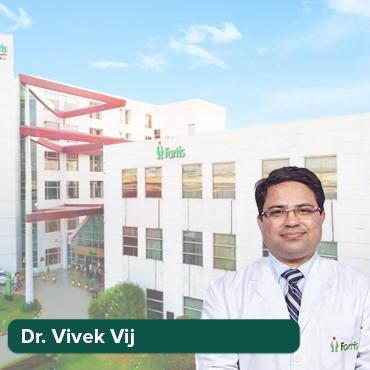
Why Second Opinions Matter Before Cancer Treatment Doctors Explain
06 Dec, 2025
 Healthtrip
- Where Can You Seek a Cancer Second Opinion? < li>Why Are Second Opinions Crucial in Cancer Care? < li>Who Should Consider Getting a Second Opinion?
- How to Obtain a Cancer Second Opinion: A Step-by-Step Guide
- Real-Life Examples Where Second Opinions Made a Difference
- Doctors Explain: Understanding the Value of Second Opinions
- Conclusion: Empowering Yourself Through Informed Decisions
Understanding the Value of a Second Opinion
A second opinion isn't about doubting your doctor; it's about empowering yourself with knowledge and ensuring you've explored all available options. Think of it as a safety net, a chance to confirm the initial diagnosis, treatment plan, and prognosis. Different doctors may have varying areas of expertise, interpret test results differently, or be more knowledgeable about specific, cutting-edge treatments. For instance, a medical oncologist at the National Cancer Centre Singapore might have a different perspective on immunotherapy options compared to a surgeon at Yanhee International Hospital, Bangkok. A second opinion can uncover alternative treatment approaches, perhaps less invasive or with fewer side effects, that were not initially considered. It can also help you understand the potential risks and benefits of each option more clearly, ensuring you're comfortable with the chosen path. Furthermore, a second opinion can be invaluable for rare or complex cancers, where specialized expertise is crucial. Healthtrip facilitates access to these specialists, simplifying the process of obtaining a comprehensive second opinion that can significantly impact your treatment and peace of mind.
Most popular procedures in India





When Should You Seek a Second Opinion?
There are several situations where seeking a second opinion is particularly beneficial. Firstly, if you feel uncertain or uncomfortable with your initial diagnosis or treatment plan, trust your gut. Your peace of mind is paramount. Secondly, if your cancer is rare or complex, seeking expertise from a specialist with extensive experience in that specific type is crucial. Hospitals like Quironsalud Hospital Murcia or Hisar Intercontinental Hospital in Istanbul often have specialized cancer centers. Thirdly, if your doctor is recommending a major surgery or a treatment with significant side effects, a second opinion can help you explore less invasive alternatives and weigh the potential risks and benefits more thoroughly. Fourthly, if you're considering participating in a clinical trial, it's wise to get another doctor's perspective on whether the trial is appropriate for your specific situation. Lastly, if you simply want reassurance that you're making the best possible choices, a second opinion can provide that added confidence. Healthtrip helps you navigate these situations by connecting you with experienced oncologists who can provide clear, unbiased guidance.

Wellness Treatments
Give yourself the time to relax
Lowest Prices Guaranteed!

Lowest Prices Guaranteed!
How to Obtain a Second Opinion Through Healthtrip
Healthtrip makes the process of obtaining a second opinion straightforward and stress-free. Our platform allows you to easily connect with leading cancer specialists at renowned hospitals around the world, such as Fortis Hospital, Noida or Vejthani Hospital. Simply provide us with your medical records, including diagnostic reports, scans, and treatment recommendations. Our team will then match you with a qualified oncologist who specializes in your specific type of cancer. You can then schedule a virtual consultation or, if you prefer, arrange for an in-person appointment at a hospital of your choice. During the consultation, the oncologist will review your medical history, discuss your treatment options, and answer any questions you may have. Healthtrip also assists with logistics, such as translating medical documents, arranging travel and accommodation, and providing ongoing support throughout the process. Our goal is to empower you with the information and resources you need to make informed decisions about your cancer care, ensuring you feel supported every step of the way. Consider Dr. Hassan Al-Abdulla Medical Center in Doha, Qatar for a second opinion.
What Questions to Ask During Your Second Opinion Consultation
When meeting with a new oncologist for a second opinion, it’s important to be prepared with a list of questions. This ensures you get the most out of the consultation and gain a clear understanding of your options. Start by asking if they agree with the initial diagnosis and staging of your cancer. Then, inquire about their recommended treatment plan, including the rationale behind it and potential side effects. Ask about alternative treatments that might be available, including clinical trials. It's also crucial to understand the doctor's experience in treating your specific type of cancer and their success rates. Don't hesitate to ask about the long-term prognosis and what you can expect during and after treatment. Furthermore, inquire about supportive care services, such as pain management, nutritional counseling, and emotional support. Finally, make sure you understand how the treatment plan will affect your quality of life and what steps you can take to manage any potential side effects. Be open and honest with the doctor, and don't be afraid to ask for clarification if anything is unclear. Healthtrip can assist you in preparing these questions and ensuring you have all the information you need to make informed decisions. Consider the services available at Saudi German Hospital Cairo, Egypt or Pantai Hospital Kuala Lumpur, Malaysia.
Empowering Yourself Through Informed Decisions
In the face of a cancer diagnosis, knowledge is power. A second opinion is a valuable tool that empowers you to take control of your healthcare journey and make informed decisions with confidence. It's not about undermining your initial doctor; it's about ensuring you've explored all available options and are comfortable with the chosen path. Healthtrip is committed to providing you with access to world-class cancer specialists at leading hospitals like Memorial Bahçelievler Hospital or Singapore General Hospital, simplifying the process of obtaining a comprehensive second opinion. Remember, you are an active participant in your cancer care, and your voice matters. Don't hesitate to seek additional perspectives, ask questions, and advocate for your own well-being. By empowering yourself with knowledge and seeking expert guidance, you can navigate your cancer journey with greater confidence, hope, and resilience. Let Healthtrip be your partner in this journey, providing the support and resources you need to make the best possible choices for your health and future. Consider the assistance offered at London Medical or Helios Klinikum Erfurt.
Where Can You Seek a Cancer Second Opinion?
Navigating a cancer diagnosis can feel like being lost at sea, and finding the right medical guidance is akin to discovering a lighthouse. When it comes to seeking a second opinion, you're essentially ensuring that your compass is calibrated correctly. So, where do you begin your search for that crucial confirmation or alternative perspective? The good news is, you have a wealth of options, ranging from specialized cancer centers with multidisciplinary teams to renowned hospitals both locally and internationally. For instance, institutions like Fortis Memorial Research Institute in Gurgaon or Max Healthcare Saket in New Delhi are known for their comprehensive oncology departments and experienced specialists. Likewise, globally recognized centers like Mount Elizabeth Hospital in Singapore and Cleveland Clinic London offer world-class expertise. Consider exploring facilities that partner with Healthtrip, like Saudi German Hospital Cairo, Egypt, as they often facilitate smoother access to consultations and medical records transfers. The key is to look for institutions that not only have a strong reputation in oncology but also offer specific expertise related to your type of cancer.
Finding Specialists Through Healthtrip
Healthtrip can be an invaluable resource in this quest, streamlining the process of identifying and connecting with leading oncologists and cancer centers worldwide. We can assist in gathering essential information about doctors’ qualifications, experience, and areas of specialization. For instance, if you're considering treatment abroad, Healthtrip professionals can provide insights into hospitals like Bangkok Hospital in Thailand or Quironsalud Hospital Murcia in Spain, and even help with logistics such as medical record translation and appointment scheduling. Remember, gathering a second opinion is about empowering yourself with knowledge, so don't hesitate to leverage every available resource. This includes reaching out to patient advocacy groups, online forums, and support networks, which can offer peer recommendations and valuable insights into different specialists and treatment approaches. Consulting with multiple sources ensures that you’re making an informed choice, aligning your treatment plan with the best possible expertise and care.
Why Are Second Opinions Crucial in Cancer Care?
Why bother with a second opinion when you've already received a diagnosis and treatment plan? Well, imagine you're baking a cake. You have the recipe, but wouldn't it be wise to double-check with another experienced baker to ensure you're not missing any crucial steps or ingredients that could make the difference between a delicious masterpiece and a culinary disaster? In cancer care, the stakes are much higher, and the nuances of diagnosis and treatment can be just as intricate. A second opinion provides an extra layer of scrutiny, ensuring that the initial assessment is accurate and the proposed treatment path is truly the best option for your specific situation. It’s about peace of mind, knowing that you've left no stone unturned in your fight against cancer. Moreover, a second opinion can highlight alternative treatment approaches, clinical trials, or novel therapies that might not have been initially considered, opening doors to potentially more effective or less invasive options. For example, a specialist at LIV Hospital, Istanbul, might suggest a different surgical approach compared to the initial recommendation.
Ensuring Personalized and Optimized Treatment Plans
The beauty of a second opinion lies in its ability to personalize and optimize your treatment plan. Cancer is not a one-size-fits-all disease; it's a complex tapestry of genetic mutations, lifestyle factors, and individual responses to therapy. Specialists at places like the National Cancer Centre Singapore or The Royal Marsden Private Care, London, have extensive experience in tailoring treatment strategies to each patient's unique circumstances. A second review of your case can identify subtle but significant aspects of your cancer that might influence treatment decisions. This might involve a closer look at your pathology reports, imaging scans, or genetic test results. Furthermore, a second opinion can help clarify any uncertainties or ambiguities in the initial diagnosis, avoiding potential misinterpretations that could lead to inappropriate or ineffective treatments. Consider, too, that different doctors may have different areas of expertise or biases, so obtaining a second perspective ensures a more balanced and comprehensive evaluation. Partnering with Healthtrip facilitates access to diverse expert opinions, helping you navigate the complexities of cancer care with greater confidence and clarity, potentially connecting you with specialists at Saudi German Hospital Dammam or even facilitating virtual consultations for added convenience.
Who Should Consider Getting a Second Opinion?
While seeking a second opinion is a valuable step for anyone facing a cancer diagnosis, it's particularly crucial in certain scenarios. Imagine you've been given a complex puzzle with many possible solutions – wouldn't you want to consult with a few expert puzzle-solvers to ensure you're on the right track? Similarly, if you've received a rare cancer diagnosis, a diagnosis involving multiple treatment options with unclear benefits, or if you simply feel uncertain about your initial treatment plan, a second opinion is highly recommended. Rare cancers can be notoriously difficult to treat, often requiring specialized expertise and innovative approaches. A second opinion from a center with experience in your specific type of cancer, like Jiménez Díaz Foundation University Hospital in Madrid, can provide access to the latest research, clinical trials, and treatment protocols. Similarly, when faced with multiple treatment options, each with its own set of pros and cons, a second opinion can help clarify the potential risks and benefits, enabling you to make a more informed decision that aligns with your personal values and preferences. For example, both Vejthani Hospital in Bangkok and Fortis Hospital, Noida, have strong reputations, but a second opinion might help you decide which hospital best fits your specific needs.
Specific Circumstances Warranting a Second Look
Consider getting a second opinion if your initial diagnosis is based on limited information or if there are discrepancies in the findings. Discrepancies can arise from variations in image quality, pathology interpretations, or even subtle differences in the way different doctors assess your case. In such situations, a fresh set of eyes can help resolve any ambiguities and ensure that your diagnosis is as accurate as possible. Furthermore, if you're considering participating in a clinical trial, a second opinion can help you understand the potential benefits and risks of the trial, as well as whether it's the right option for you. Clinical trials often involve cutting-edge therapies that may not be available through standard treatment channels, but it's essential to weigh the potential benefits against the potential risks. Don't hesitate to utilize Healthtrip to connect with specialists at institutions known for their clinical trial programs, such as Singapore General Hospital or Quironsalud Proton Therapy Centre. Remember, seeking a second opinion is not about questioning your doctor's competence; it's about empowering yourself with knowledge and ensuring that you're making the best possible decisions for your health. It's also about aligning your care with the most appropriate expertise, which could mean consulting with specialists affiliated with hospitals accessible through Healthtrip, like Saudi German Hospital Alexandria, Egypt, offering diverse perspectives and treatment options tailored to your specific needs.
Also Read:
How to Obtain a Cancer Second Opinion: A Step-by-Step Guide
Embarking on the journey to secure a second opinion for your cancer diagnosis might seem daunting, but it’s a process that, when approached methodically, can empower you with clarity and confidence. First things first, don’t hesitate to communicate openly with your current oncologist. Explain your desire for a second opinion and ask for their assistance in gathering the necessary medical records, including pathology reports, imaging scans (like CT scans, MRIs, and PET scans), and treatment summaries. Most doctors understand and respect a patient's need for reassurance and additional perspectives, and are often happy to help facilitate the process. Transparency is key to maintaining a healthy doctor-patient relationship. Remember, seeking a second opinion isn't about doubting your doctor's abilities but rather about ensuring you're making the most informed decision possible.
Once you have your medical records in hand, it’s time to identify potential specialists for your second opinion. Healthtrip can be a valuable resource in this step, providing access to a wide network of renowned oncologists and cancer centers both locally and internationally. Consider factors such as the specialist's expertise in your specific type of cancer, their experience with your stage of disease, and their approach to treatment. Look for doctors affiliated with leading hospitals and research institutions known for their cancer care, such as the Memorial Sisli Hospital or the National Cancer Centre Singapore. You can also leverage online resources like the National Cancer Institute's website or the American Society of Clinical Oncology's "Find a Doctor" tool to identify qualified specialists. When you've narrowed down your choices, contact their offices to inquire about scheduling a consultation and the process for submitting your medical records for review. Healthtrip can assist with coordinating these appointments and navigating any logistical challenges, making the process smoother and more efficient.
After scheduling your consultation, ensure the specialist receives all your medical records well in advance of your appointment. This allows them ample time to thoroughly review your case and formulate their opinion. During the consultation, be prepared to ask questions and actively engage in the discussion. Don't be afraid to voice any concerns or uncertainties you may have. Key questions to ask include: Do they agree with the initial diagnosis and staging? Are there alternative treatment options available? What are the potential benefits and risks of each treatment approach? What is their personal experience in treating similar cases? Take detailed notes during the consultation so you can refer back to them later. After the consultation, take the time to carefully consider the second opinion in conjunction with your original diagnosis and treatment plan. Discuss both opinions with your original oncologist and work collaboratively to determine the best course of action for your specific situation. Remember, the ultimate goal is to make an informed decision that aligns with your values and preferences, leading to the most positive outcome possible. Healthtrip's patient support services can provide emotional and practical support throughout this process, ensuring you feel empowered and well-informed every step of the way.
Real-Life Examples Where Second Opinions Made a Difference
The stories are out there, whispered in support groups and celebrated in hospital hallways: second opinions that didn’t just confirm a diagnosis, but outright changed the trajectory of a patient's life. Take, for instance, the case of Sarah, a vibrant 45-year-old who was initially diagnosed with a rare form of lung cancer. The recommended treatment plan was aggressive, involving major surgery and extensive chemotherapy. However, feeling uneasy about the prognosis, Sarah sought a second opinion at the Fortis Memorial Research Institute, Gurgaon, through connections facilitated by Healthtrip. The specialists there, after a thorough review of her case, determined that her cancer was in fact a different, less aggressive subtype. They recommended a more targeted therapy with significantly fewer side effects. Sarah responded beautifully to the revised treatment plan, and is now living a full and active life, a testament to the power of a second look. This story highlights how crucial it is to ensure the accuracy of the diagnosis itself, as treatment plans hinge entirely on this foundation. Healthtrip often sees cases like Sarah's, where access to specialized expertise can lead to a more precise diagnosis and a better outcome for the patient.
Then there's the story of David, a 60-year-old who was told he had limited treatment options for his prostate cancer. His local oncologist painted a bleak picture. Unwilling to accept this, David used Healthtrip to connect with specialists at the QUIRONSALUD PROTON THERAPY CENTRE, who offered him proton therapy, a highly precise form of radiation that targets the cancer while minimizing damage to surrounding healthy tissue. This option hadn't been presented to him initially. David underwent the proton therapy and has since been in remission, free from the debilitating side effects he was warned about. His story underscores the importance of exploring all available treatment avenues, especially when facing a challenging diagnosis. Sometimes, the location of your care can influence the options presented to you, making a second opinion from a center with different specialties a potentially life-altering choice. Healthtrip facilitates this access, bridging geographic barriers to bring patients the best possible care.
These stories are not exceptions; they represent a pattern of positive outcomes when patients take an active role in their healthcare. Consider Maria, who, after being diagnosed with breast cancer, sought a second opinion at the Bangkok Hospital through Healthtrip. The initial treatment plan focused solely on surgery. However, the specialists in Bangkok recommended a course of neoadjuvant chemotherapy (chemotherapy given before surgery) to shrink the tumor, allowing for a less invasive surgical approach. This not only improved Maria's cosmetic outcome but also reduced the risk of recurrence. These examples demonstrate the value of seeking additional expertise, particularly when facing a complex or life-altering diagnosis. A second opinion can provide reassurance, identify alternative treatment options, and ultimately empower you to make informed decisions about your care. Healthtrip is committed to helping patients access these potentially life-saving second opinions, connecting them with leading medical professionals and facilitating a smoother, more informed healthcare journey.
Also Read:
Doctors Explain: Understanding the Value of Second Opinions
From a physician's standpoint, the concept of a second opinion isn't viewed as a challenge to their expertise but rather as a collaborative step in ensuring the best possible patient care. Doctors understand that cancer treatment is a complex and evolving field, with new research and therapies emerging constantly. A second opinion offers an opportunity to have another expert review the case, potentially identifying nuances or alternative approaches that might have been overlooked. This collaborative approach can lead to a more refined and personalized treatment plan, ultimately benefiting the patient. Most oncologists readily encourage patients to seek second opinions, understanding that an informed and confident patient is more likely to adhere to the treatment plan and achieve better outcomes. They also recognize that different physicians may have different areas of specialization or experience, which can contribute valuable insights to the decision-making process. Healthtrip often works with doctors who champion this collaborative approach, understanding that the patient's well-being is the top priority.
Moreover, second opinions can be particularly valuable in complex or rare cancer cases, where the optimal treatment approach may not be clear-cut. In such situations, consulting with a specialist who has extensive experience in treating that specific type of cancer can provide crucial guidance. For instance, if a patient is diagnosed with a rare sarcoma, seeking a second opinion from a sarcoma specialist at a center like the National Cancer Centre Singapore could significantly impact the treatment strategy. These specialists may have access to clinical trials or innovative therapies that are not available at smaller community hospitals. Doctors acknowledge that no single individual can possess all the knowledge and expertise in the vast field of oncology, and seeking input from colleagues is a sign of responsible and patient-centered care. Healthtrip facilitates these connections, enabling patients to access the specialized expertise they need, regardless of their location.
Furthermore, the process of obtaining a second opinion can empower patients and increase their understanding of their condition and treatment options. By actively participating in the decision-making process, patients feel more in control and less anxious about their cancer journey. This improved psychological well-being can have a positive impact on their overall health and treatment outcomes. Doctors recognize the importance of patient empowerment and encourage patients to ask questions, seek clarification, and actively engage in discussions about their care. They see second opinions as a valuable tool for fostering this empowerment, ensuring that patients feel confident and supported throughout their cancer journey. Centers such as Memorial Bahçelievler Hospital emphasize patient education and shared decision-making, aligning with the principles of informed consent and patient autonomy. Healthtrip supports this approach, providing patients with the resources and information they need to make informed choices and navigate the complexities of cancer care with confidence.
Also Read:
Conclusion: Empowering Yourself Through Informed Decisions
In the intricate landscape of cancer care, knowledge is power, and informed decisions are your strongest allies. Seeking a second opinion isn't about questioning your doctor's competence; it's about arming yourself with comprehensive information to navigate your journey with confidence and clarity. It's about ensuring that every avenue has been explored, every option considered, and every decision aligns with your values and preferences. The stories shared, the insights from medical professionals, and the practical steps outlined all point to one undeniable truth: you have the right to seek additional perspectives and actively participate in shaping your treatment plan. Perhaps the specialists at the Mount Elizabeth Hospital could offer insights related to your case?
Remember, your cancer journey is unique, and the decisions you make should reflect your individual circumstances and priorities. Whether it's confirming a diagnosis, exploring alternative treatment options, or simply gaining peace of mind, a second opinion can be an invaluable tool in empowering you to take control of your health. Don't hesitate to leverage resources like Healthtrip to connect with leading specialists, access cutting-edge therapies, and navigate the complexities of cancer care with greater ease. The team at Yanhee International Hospital, for example, may offer entirely different perspectives on holistic treatment methods.
In the end, the goal is to make informed decisions that lead to the best possible outcome, both physically and emotionally. So, embrace the power of knowledge, seek second opinions when needed, and embark on your cancer journey with confidence, knowing that you've done everything possible to advocate for your health and well-being. Healthtrip is here to support you every step of the way, providing access to the expertise, resources, and compassionate care you deserve. Consider reaching out to centers such as the Saudi German Hospital Cairo, Egypt for initial consultations. Your journey to wellness begins with informed choices, and we're committed to empowering you on that path.
Related Blogs

Why Second Opinions Matter Before Eye Surgery Doctors Explain
Deep medical insights, treatment comparisons, safety standards, and technological updates

International Patients' Guide to Understanding Eye Surgery Terminology
Deep medical insights, treatment comparisons, safety standards, and technological updates

How Healthtrip Ensures Patient Safety During Eye Surgery Procedures
Deep medical insights, treatment comparisons, safety standards, and technological updates

Choosing Between Treatment Options for Eye Surgery
Deep medical insights, treatment comparisons, safety standards, and technological updates
How to Read Your Medical Reports Before Eye Surgery
Deep medical insights, treatment comparisons, safety standards, and technological updates

Breakthrough Medical Technologies Transforming Eye Surgery in India
Deep medical insights, treatment comparisons, safety standards, and technological updates