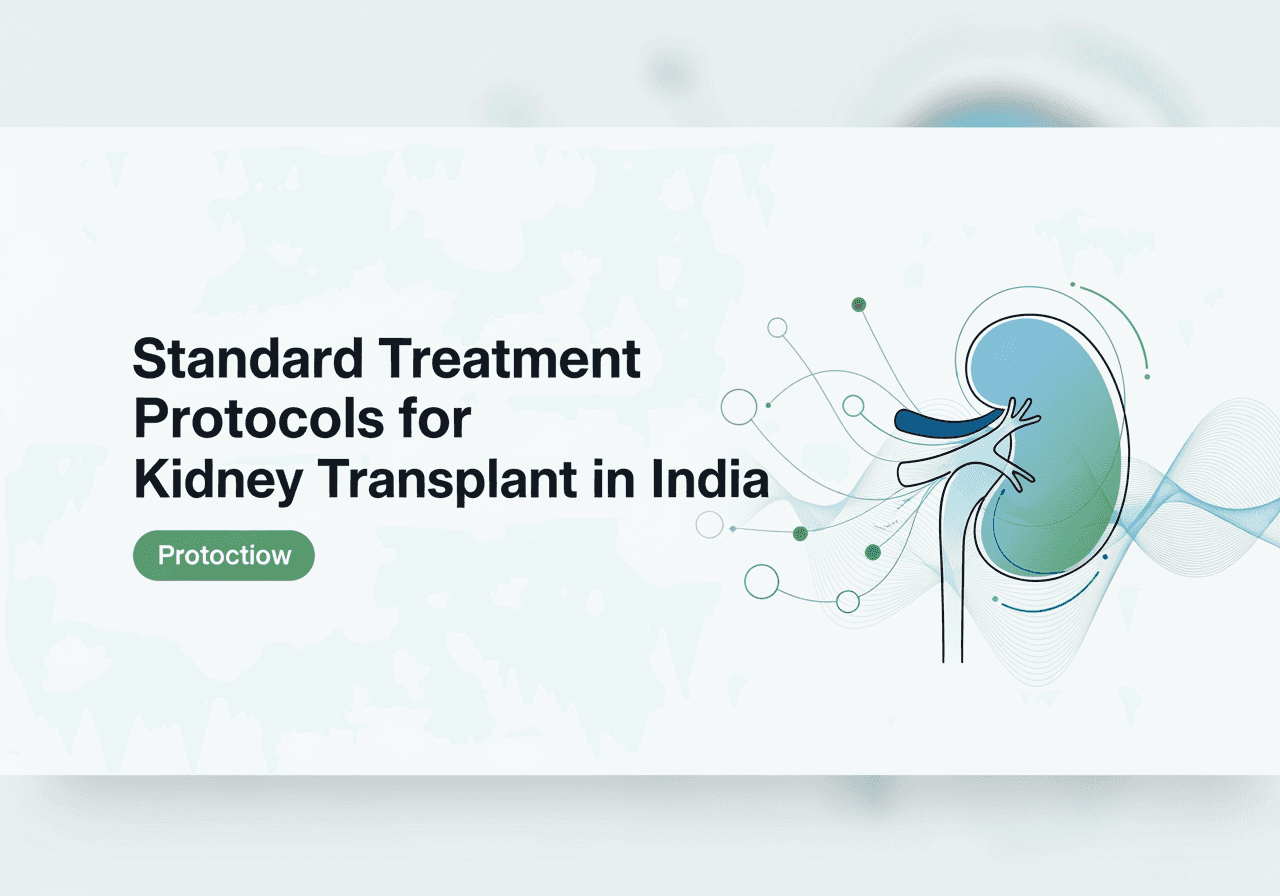
Standard Treatment Protocols for Kidney Transplant in India
06 Dec, 2025
 Healthtrip
- Why Kidney Transplant: Understanding the Need in India < li>Who is Eligible? Patient Selection and Evaluation Process < li>Pre-Transplant Protocols: A Step-by-Step Guide
- The Kidney Transplant Procedure: What to Expect
- Post-Transplant Care: Medication, Monitoring, and Lifestyle
- Potential Complications and Management Strategies < li>Cost of Kidney Transplant in India: Funding and Financial Assistance
- Leading Hospitals for Kidney Transplant in India: Fortis Escorts Heart Institute, Fortis Shalimar Bagh, Fortis Hospital, Noida, Fortis Memorial Research Institute, Gurgaon, Max Healthcare Saket
- Conclusion: Empowering Patients Through Knowledge
`Pre-Transplant Evaluation: Determining Candidacy`
The journey to a kidney transplant begins with a comprehensive evaluation to determine if you are a suitable candidate. This initial assessment is meticulously designed to evaluate your overall health, the severity of your kidney disease, and your ability to withstand the rigors of surgery and long-term immunosuppression. The evaluation typically involves a thorough medical history review, physical examination, and a battery of diagnostic tests. These tests frequently include blood work (assessing kidney function, infection markers, and blood type), cardiac evaluation (electrocardiogram, echocardiogram), imaging studies (chest x-ray, abdominal ultrasound), and psychological assessment. The goal is to identify any underlying conditions or risk factors that could compromise the success of the transplant. Healthtrip understands the importance of connecting you with leading nephrologists and transplant centers in India, helping you begin this crucial evaluation process with confidence. Hospitals like Fortis Memorial Research Institute, Gurgaon, and Max Healthcare Saket are equipped with state-of-the-art diagnostic facilities and experienced medical teams to ensure a thorough and accurate assessment.
Most popular procedures in India




`Blood Group Compatibility and HLA Typing`
A critical aspect of pre-transplant evaluation involves determining blood group compatibility and human leukocyte antigen (HLA) typing. Blood group compatibility ensures that the donor kidney is compatible with your blood type to prevent immediate rejection. HLA typing, on the other hand, assesses the degree of genetic similarity between you and potential donors. HLA are proteins found on the surface of cells that play a key role in the immune system's ability to distinguish between self and non-self. The closer the HLA match, the lower the risk of rejection. If you need to look for options outside of the country, Healthtrip can connect you with hospitals with modern diagnostics abroad such as Singapore General Hospital or Bangkok Hospital. This comprehensive evaluation ensures that the transplant team has a clear understanding of your immunological profile, allowing them to make informed decisions about donor selection and immunosuppression strategies.

Wellness Treatments
Give yourself the time to relax
Lowest Prices Guaranteed!

Lowest Prices Guaranteed!
`The Kidney Transplant Procedure: A Surgical Overview`
Kidney transplantation is a surgical procedure where a diseased or damaged kidney is replaced with a healthy kidney from a donor. The surgery typically lasts for several hours, and the new kidney is placed in the lower abdomen. The surgeon connects the blood vessels of the new kidney to your blood vessels, allowing blood to flow through the organ. The ureter, which carries urine from the kidney to the bladder, is also connected. Your original kidneys are usually left in place unless they are causing complications such as uncontrolled high blood pressure or recurrent infections. The procedure is performed under general anesthesia, and you will be closely monitored throughout the surgery. Healthtrip assists patients in finding the best facilities for kidney transplant procedures, such as Fortis Hospital, Noida, and Max Healthcare Saket, ensuring they have access to experienced surgeons and comprehensive pre and post-operative care.
`Living Donor vs. Deceased Donor Transplants`
Kidney transplants can be performed using kidneys from either living donors or deceased donors. Living donor transplants offer several advantages, including shorter waiting times, planned surgery, and often better long-term outcomes due to reduced cold ischemia time (the time the kidney is outside the body). Deceased donor transplants involve kidneys from individuals who have recently passed away and whose organs are deemed suitable for transplantation. The choice between a living and deceased donor transplant depends on various factors, including donor availability, blood group compatibility, HLA matching, and your overall health. Healthtrip provides patients with information and support to make informed decisions about donor options, connecting them with transplant centers and medical professionals who can guide them through the decision-making process.
`Post-Transplant Care: Ensuring Long-Term Success`
Post-transplant care is crucial for ensuring the long-term success of your kidney transplant. This involves a combination of immunosuppressant medications, regular monitoring, and lifestyle modifications. Immunosuppressants are essential to prevent your immune system from rejecting the new kidney. These medications need to be taken for as long as the transplanted kidney is functioning. Regular monitoring includes blood tests to assess kidney function, detect signs of rejection, and monitor for potential side effects of immunosuppressants. Healthtrip understands that managing post-transplant care can be challenging, so we connect you with healthcare providers who can provide ongoing support and guidance. We can arrange virtual consultations, medication reminders, and access to educational resources to help you stay on track with your treatment plan. Consider Fortis Shalimar Bagh for comprehensive follow-up care.
`Immunosuppression and Managing Side Effects`
Immunosuppressant medications are the cornerstone of post-transplant care, but they can also cause side effects. Common side effects include an increased risk of infections, high blood pressure, high cholesterol, weight gain, and diabetes. Your transplant team will work closely with you to manage these side effects and adjust your medication regimen as needed. It's important to report any new or worsening symptoms to your doctor promptly. Lifestyle modifications, such as a healthy diet, regular exercise, and avoiding smoking, can also help minimize side effects and improve your overall health. Healthtrip aims to facilitate access to specialized dietary counseling and fitness programs tailored to transplant recipients, helping you maintain a healthy lifestyle and optimize your long-term outcomes.
`Monitoring for Rejection and Infections`
Rejection and infections are two of the most common complications after kidney transplantation. Rejection occurs when your immune system attacks the new kidney. Symptoms of rejection can include fever, decreased urine output, pain or tenderness around the kidney, and elevated creatinine levels in the blood. Infections are more common in transplant recipients because immunosuppressants weaken the immune system, making you more susceptible to bacterial, viral, and fungal infections. Regular monitoring, including blood tests and urine tests, is essential to detect rejection and infections early. Prompt treatment is crucial to prevent serious complications. Healthtrip provides resources and support to help you understand the signs and symptoms of rejection and infections, so you can seek medical attention promptly. We can also connect you with specialists at hospitals like Max Healthcare Saket who are experts in managing these complications.
`Lifestyle Adjustments and Long-Term Health`
After a kidney transplant, making certain lifestyle adjustments is crucial for maintaining long-term health and the well-being of your new kidney. These adjustments encompass various aspects of your life, including diet, exercise, and preventive care. Adopting a healthy diet low in salt, saturated fats, and processed foods can help manage blood pressure, cholesterol levels, and weight. Regular exercise, tailored to your individual abilities, can improve cardiovascular health, strengthen muscles, and boost your overall well-being. Attending regular check-ups with your transplant team is crucial for monitoring kidney function, adjusting medications, and addressing any potential complications. Healthtrip is committed to supporting your long-term health by connecting you with resources and medical professionals who can help you navigate these lifestyle adjustments and achieve optimal well-being.
`Diet and Exercise Recommendations`
Following specific dietary and exercise recommendations is vital for transplant recipients. A registered dietitian can help you create a personalized meal plan that meets your nutritional needs while managing potential side effects of immunosuppressants. This may involve limiting sodium intake to control blood pressure, reducing phosphorus and potassium intake if kidney function is still impaired, and ensuring adequate protein intake for tissue repair. Exercise should be tailored to your individual fitness level and medical condition. Low-impact activities such as walking, swimming, or cycling are generally recommended. It's essential to consult with your doctor or a physical therapist before starting any new exercise program. Healthtrip can arrange consultations with dietitians and physical therapists experienced in working with transplant patients, helping you develop a safe and effective plan to improve your health and well-being.
`Preventive Care and Vaccinations`
Preventive care plays a critical role in maintaining long-term health after a kidney transplant. This includes getting regular vaccinations to protect against preventable infections. However, transplant recipients should avoid live vaccines, as these can pose a risk of infection. Your transplant team will advise you on which vaccines are safe and recommended. It's also important to undergo regular screenings for cancer and other health conditions, as transplant recipients have a slightly increased risk of certain types of cancer. Following your doctor's recommendations for preventive care can help detect and treat health problems early, improving your overall prognosis. Healthtrip can help you stay on track with your preventive care by providing reminders for screenings and appointments and connecting you with healthcare providers who specialize in transplant-related care.
Why Kidney Transplant: Understanding the Need in India
Chronic Kidney Disease (CKD) has become an increasingly significant health concern in India, touching countless lives and presenting a formidable burden on the healthcare system. Imagine a life where every day is a struggle, where simple joys are overshadowed by constant fatigue, swelling, and the looming threat of dialysis. This is the reality for millions of Indians battling CKD. Kidneys, the unsung heroes of our bodies, tirelessly filter waste and excess fluids from our blood. When they fail, toxins accumulate, leading to a cascade of health problems. Dialysis can provide a lifeline, but it's a time-consuming and often uncomfortable procedure, demanding frequent hospital visits and impacting quality of life. A kidney transplant offers a beacon of hope – a chance to break free from the constraints of dialysis and reclaim a healthier, more fulfilling life. The need for kidney transplants in India far outweighs the availability of donor organs, creating a critical gap that Healthtrip aims to bridge by providing access to high-quality information, connecting patients with leading hospitals, and facilitating informed decisions about their treatment options. The journey towards a kidney transplant is undoubtedly complex, but understanding the necessity and exploring the possibilities is the first vital step towards a brighter future.
The numbers paint a stark picture: the prevalence of CKD in India is alarmingly high, with a significant portion of the population unaware they are even affected until the disease reaches an advanced stage. Factors like diabetes, hypertension, and lifestyle choices contribute to this growing epidemic. For those who progress to kidney failure, a transplant is often the best chance for long-term survival and improved well-being. It's not just about prolonging life; it's about enhancing the quality of life, allowing individuals to return to work, spend time with loved ones, and pursue their passions without the constant burden of dialysis. The emotional and psychological toll of CKD on patients and their families is immense, adding another layer of urgency to the need for readily available and accessible transplant options. That's where Healthtrip comes in, serving as a trusted guide and resource, providing comprehensive information about the transplant process, connecting patients with reputable medical facilities like Fortis Shalimar Bagh and Max Healthcare Saket, and offering support throughout their journey. The goal is to empower patients to navigate the complexities of kidney transplantation with confidence and hope.
Who is Eligible? Patient Selection and Evaluation Process
The journey to a kidney transplant begins with a comprehensive evaluation process to determine whether a patient is a suitable candidate. It's not just about needing a new kidney; it's about ensuring that the patient is healthy enough to undergo the surgery and maintain long-term health with immunosuppressant medications. This evaluation is a rigorous process designed to maximize the chances of a successful transplant and minimize potential risks. Doctors consider a multitude of factors, including the patient's overall health, the severity of their kidney disease, their medical history, and the presence of any other underlying conditions. The aim is to ensure that the potential benefits of a transplant outweigh the risks. This is where Healthtrip steps in, providing clarity and guidance, helping patients understand the eligibility criteria, and connecting them with experienced transplant teams at hospitals like Fortis Memorial Research Institute, Gurgaon, who can conduct thorough evaluations and determine the best course of action. Navigating the eligibility process can feel overwhelming, but with the right information and support, patients can confidently proceed towards their transplant journey.
The Evaluation Process: A Detailed Look
The evaluation process itself involves a series of tests and assessments, each designed to provide a comprehensive picture of the patient's health. Blood tests are crucial to assess kidney function, identify any infections, and determine blood type compatibility with potential donors. Cardiac evaluations, such as electrocardiograms (ECGs) and echocardiograms, are performed to ensure that the heart is strong enough to withstand the surgery. Imaging studies, like X-rays and CT scans, help to visualize the kidneys and surrounding structures and rule out any abnormalities. Psychological evaluations are also an important component, ensuring that the patient understands the transplant process, is mentally prepared for the challenges ahead, and has a strong support system in place. Furthermore, social workers often play a vital role, assessing the patient's ability to adhere to medication regimens, manage follow-up appointments, and maintain a healthy lifestyle after the transplant. Healthtrip understands the anxiety associated with this process and provides resources and support to help patients navigate each step, ensuring they feel informed and empowered throughout their evaluation. The collaborative approach involves medical professionals, social workers, and the patient, working together to make informed decisions about their health.
While chronic kidney disease is the primary qualifying factor, certain conditions might disqualify a person from being a kidney transplant recipient. Active infections, severe heart or lung disease, active cancer, and significant psychiatric illness can all affect transplant eligibility. These conditions don't automatically preclude someone from a transplant, but they need to be carefully managed and stabilized before proceeding. Additionally, patients must demonstrate a commitment to adhering to the strict medication regimen required after the transplant, a critical element for long-term success. The evaluation process is not just about ticking boxes; it's about carefully assessing individual circumstances and making the best decision for the patient's overall well-being. Healthtrip’s network of partner hospitals, including Max Healthcare Saket and Fortis Hospital, Noida, offers comprehensive evaluation programs, ensuring that every patient receives personalized attention and the highest standard of care. The ultimate goal is to identify those who will benefit most from a transplant and provide them with the best possible chance for a healthier future.
Pre-Transplant Protocols: A Step-by-Step Guide
Once a patient is deemed eligible for a kidney transplant, a series of pre-transplant protocols are initiated to optimize their health and prepare them for the surgery. This phase is a crucial period for making necessary lifestyle changes, addressing any underlying health issues, and ensuring that the body is in the best possible condition to receive the new kidney. Think of it as a training camp before a marathon – a time to strengthen and prepare for the challenges ahead. These protocols are designed to minimize the risks associated with the transplant and maximize the chances of a successful outcome. Healthtrip recognizes the importance of this preparatory phase and provides a wealth of information, resources, and support to help patients navigate these protocols with confidence. From dietary guidelines to medication management, Healthtrip helps patients understand exactly what to expect and how to actively participate in their own care.
Essential Steps Before Surgery
The pre-transplant phase involves several crucial steps. First and foremost, patients will receive extensive education about the transplant process, including the surgery itself, the medications they will need to take afterward, and potential complications. This education aims to empower patients to make informed decisions and actively participate in their care. Nutritional counseling is another key component, as maintaining a healthy weight and diet is essential for a successful transplant. Patients may need to make adjustments to their diet to control blood sugar levels, manage blood pressure, and ensure they are getting the nutrients they need. Smoking cessation is strongly encouraged, as smoking can significantly increase the risk of complications. Dental evaluations and treatments are also important, as dental infections can pose a risk after the transplant. Vaccinations are updated to protect against preventable infections, and any existing infections are treated. Furthermore, patients will undergo regular monitoring to ensure their health remains stable and any emerging issues are addressed promptly. Healthtrip works closely with hospitals like Fortis Shalimar Bagh to provide comprehensive pre-transplant care, ensuring that patients are fully prepared for their life-changing surgery. The collaboration between medical professionals and informed, engaged patients is critical for achieving the best possible results.
Finding a matching donor is a critical aspect of the pre-transplant phase. Patients are placed on a waiting list, and the United Network for Organ Sharing (UNOS) uses a complex algorithm to match available kidneys with suitable recipients. Factors such as blood type, tissue type, antibody levels, and the length of time on the waiting list are considered. Alternatively, patients may have a living donor – a family member, friend, or even an altruistic stranger – who is willing to donate a kidney. Living donor transplants often have better outcomes, as the kidney is typically healthier and the surgery can be scheduled at an optimal time. Once a potential donor is identified, crossmatching tests are performed to ensure that the recipient's immune system will not reject the new kidney. Healthtrip understands the emotional rollercoaster of waiting for a donor and provides support and resources to help patients cope with the uncertainty. Connecting with transplant centers like Max Healthcare Saket can provide patients with access to the latest advancements in donor matching and transplant technology, maximizing their chances of receiving a life-saving kidney. The journey may be long, but with the right preparation and support, patients can approach the transplant surgery with hope and confidence.
Also Read:
The Kidney Transplant Procedure: What to Expect
Embarking on the journey of a kidney transplant can feel like stepping into the unknown. It's natural to have a mix of emotions, from hope and anticipation to anxiety about the procedure itself. At Healthtrip, we believe that knowledge is power, and understanding what to expect during the kidney transplant procedure can significantly ease your mind. The surgical process, while complex, is a carefully orchestrated series of steps designed to give you a new lease on life. It begins with comprehensive pre-operative assessments, ensuring you're in the best possible condition for the surgery. The surgeons will meticulously review your medical history, conduct physical examinations, and order necessary tests to identify any potential risks or complications. Consider this phase as a crucial dress rehearsal, where the medical team fine-tunes their approach to ensure a smooth and successful transplant. The complexity of the procedure is balanced by the dedication of the surgical team, who are committed to your well-being throughout the entire process. At Healthtrip, we connect you with experienced surgeons and facilities, such as Fortis Escorts Heart Institute, Fortis Shalimar Bagh, Fortis Hospital, Noida,Fortis Memorial Research Institute, Gurgaon and Max Healthcare Saket, where expertise meets compassionate care, making your journey as comfortable as possible.
The Surgical Steps: A Detailed Overview
The kidney transplant surgery typically takes around 3 to 4 hours, though this can vary depending on individual circumstances. The procedure involves making an incision in your abdomen, usually on the lower side. The new kidney is then carefully placed into position, and the surgeons connect the renal artery and vein to your blood vessels, allowing blood to flow through the new kidney. The ureter, which carries urine from the kidney to the bladder, is also connected. In most cases, your original kidneys are left in place unless they are causing complications, such as uncontrolled high blood pressure or recurrent infections. What's fascinating is the body's inherent ability to adapt and integrate this new organ. It's truly a testament to the resilience of human biology. During the surgery, the anesthesiologist will closely monitor your vital signs, ensuring your comfort and safety. The surgical team works with precision and efficiency, drawing upon years of experience to navigate any unforeseen challenges. The atmosphere in the operating room is one of focused collaboration, with each member playing a crucial role in the success of the transplant. With Healthtrip, accessing such skilled medical teams and advanced facilities becomes a reality, ensuring a seamless experience.
Post-Transplant Care: Medication, Monitoring, and Lifestyle
The kidney transplant surgery is a pivotal moment, but it's just one chapter in your journey to renewed health. Post-transplant care is equally vital, involving a lifelong commitment to medication, regular monitoring, and lifestyle adjustments. Think of it as tending to a precious garden; with the right care and attention, your transplanted kidney can flourish. One of the cornerstones of post-transplant care is immunosuppressant medication. These drugs are essential to prevent your body from rejecting the new kidney. It's like having a diplomatic envoy, constantly negotiating peace between your immune system and the transplanted organ. It’s important to adhere strictly to your medication schedule, as even a missed dose can increase the risk of rejection. In addition to medication, regular monitoring is crucial. This involves frequent blood tests and check-ups to assess kidney function and detect any signs of rejection or infection. It's like having a vigilant guardian, always on the lookout for potential problems. Staying connected with your healthcare team and reporting any unusual symptoms is paramount. At Healthtrip, we facilitate access to world-class medical expertise at facilities like Fortis Escorts Heart Institute and Max Healthcare Saket, ensuring you receive the best possible care and support throughout your post-transplant journey.
Navigating Lifestyle Adjustments for Long-Term Health
Life after a kidney transplant opens up a world of possibilities, but it also requires some lifestyle adjustments to protect your new kidney and overall health. Diet plays a crucial role, emphasizing fresh fruits, vegetables, lean proteins, and whole grains. It's like building a strong foundation for your revitalized health. Staying hydrated is also essential to support kidney function, so make sure to drink plenty of water throughout the day. Regular exercise is another key component of post-transplant care. It helps maintain a healthy weight, strengthens your immune system, and improves your overall well-being. However, it's important to choose activities that are appropriate for your fitness level and to consult with your healthcare team before starting any new exercise program. Beyond the physical aspects, emotional well-being is just as important. A kidney transplant can bring about a range of emotions, from joy and gratitude to anxiety and fear. Connecting with support groups, engaging in therapy, or simply talking to loved ones can provide valuable emotional support. Healthtrip understands the holistic needs of transplant patients and connects them with resources that address both physical and emotional well-being, fostering a comprehensive and supportive healing environment.
Also Read:
Potential Complications and Management Strategies
While a kidney transplant offers a new lease on life, it’s essential to be aware of potential complications and how to manage them effectively. Knowledge empowers you to take proactive steps and seek timely medical attention. One of the most significant concerns is rejection, where your body’s immune system attacks the transplanted kidney. Symptoms can include fever, pain or tenderness around the kidney, decreased urine output, and elevated blood pressure. Early detection is crucial, often through regular blood tests and monitoring. Immunosuppressant medications are the primary defense against rejection, and dosages may be adjusted to manage the response. Infections are another potential complication, as immunosuppressants can weaken your body's ability to fight off germs. Maintaining good hygiene, avoiding close contact with sick individuals, and getting vaccinated are essential preventive measures. Any signs of infection, such as fever, chills, or cough, should be reported to your healthcare team promptly. At Healthtrip, we connect you with leading medical facilities, including Fortis Memorial Research Institute, Gurgaon and Max Healthcare Saket, where expert teams are equipped to handle any complications that may arise, ensuring comprehensive and responsive care.
Long-Term Health Considerations and Proactive Management
Beyond rejection and infections, long-term health considerations are vital for ensuring the longevity of your transplanted kidney. Immunosuppressant medications can increase the risk of certain cancers, such as skin cancer and lymphoma. Regular screenings and preventive measures, like wearing sunscreen and avoiding smoking, are crucial. Cardiovascular disease is another concern, as kidney transplant recipients are at higher risk. Managing blood pressure, cholesterol levels, and weight through lifestyle modifications and medications is essential. Bone health can also be affected by immunosuppressants, leading to osteoporosis. Maintaining adequate calcium and vitamin D intake, along with regular weight-bearing exercise, can help strengthen your bones. Regular check-ups with your healthcare team are vital for monitoring your overall health and detecting any potential problems early on. Think of these check-ups as regular maintenance for your body, ensuring everything is running smoothly. With Healthtrip, you gain access to a network of experienced specialists and comprehensive care programs designed to address these long-term health considerations, providing you with the support and resources you need to thrive after your transplant.
Also Read:
Cost of Kidney Transplant in India: Funding and Financial Assistance
The cost of a kidney transplant in India can be a significant concern for many patients and their families. While India offers relatively affordable medical care compared to many Western countries, the expenses associated with a transplant, including surgery, pre- and post-operative care, medications, and hospital stays, can still be substantial. The overall cost can vary depending on the hospital, the complexity of the case, and any additional complications that may arise. Understanding the financial aspects of a kidney transplant is crucial for planning and securing the necessary resources. At Healthtrip, we believe that financial constraints should not be a barrier to accessing life-saving treatment. We provide transparent information about the cost of kidney transplants at various hospitals and connect patients with resources that can help alleviate the financial burden. Knowing the estimated expenses allows you to make informed decisions and explore available funding options. With facilities like Fortis Escorts Heart Institute and Max Healthcare Saket, Healthtrip aims to provide support to patients seeking a kidney transplant.
Exploring Funding Options and Financial Assistance Programs
Navigating the financial landscape of a kidney transplant can feel overwhelming, but there are various funding options and financial assistance programs available to help ease the burden. Government schemes, such as the Pradhan Mantri National Dialysis Programme, provide financial support for dialysis and transplant-related expenses for eligible patients. Many charitable organizations and NGOs also offer financial assistance to kidney transplant recipients. These organizations often have specific eligibility criteria and application processes, so it’s important to research and understand the requirements. Crowdfunding platforms can be another avenue for raising funds. Sharing your story and appealing to your community can garner support from friends, family, and even strangers who are moved by your situation. Some hospitals also offer payment plans or discounts to make the treatment more affordable. At Healthtrip, we provide guidance and resources to help you explore these funding options. We can connect you with financial advisors and support groups who can offer valuable insights and assistance in navigating the financial aspects of your transplant journey. Our goal is to empower you with the information and resources you need to access the life-saving treatment you deserve, regardless of your financial circumstances.
Leading Hospitals for Kidney Transplant in India: Fortis Escorts Heart Institute, Fortis Shalimar Bagh, Fortis Hospital, Noida, Fortis Memorial Research Institute, Gurgaon, Max Healthcare Saket
Choosing the right hospital for a kidney transplant is a critical decision that can significantly impact your outcome and overall experience. India boasts several world-class hospitals renowned for their expertise in kidney transplantation, cutting-edge technology, and compassionate patient care. At Healthtrip, we understand the importance of selecting a hospital that aligns with your specific needs and preferences. We have carefully curated a list of leading hospitals in India that consistently deliver exceptional results in kidney transplantation. These hospitals boast state-of-the-art facilities, experienced transplant teams, and a commitment to providing personalized care. When evaluating hospitals, consider factors such as the hospital's transplant success rates, the experience and qualifications of the transplant surgeons, the availability of advanced diagnostic and treatment technologies, and the range of support services offered. It’s also essential to read patient reviews and testimonials to gain insights into the hospital’s patient care practices and overall atmosphere. Hospitals like Fortis Escorts Heart Institute, Fortis Shalimar Bagh, Fortis Hospital, Noida, Fortis Memorial Research Institute, Gurgaon, and Max Healthcare Saket are some of the popular hospital available through Healthtrip.
Spotlight on Excellence: Top Transplant Centers in India
Let's take a closer look at some of the leading hospitals for kidney transplantation in India. Fortis Escorts Heart Institute, known for its comprehensive cardiac and renal care, has a dedicated transplant unit with a track record of successful kidney transplants. Their team of experienced surgeons, nephrologists, and support staff provide personalized care to each patient, ensuring a smooth and comfortable transplant journey. Max Healthcare Saket is another renowned hospital with a state-of-the-art transplant center. Their multidisciplinary team utilizes advanced surgical techniques and follows strict protocols to optimize outcomes. They also offer a range of support services, including counseling, nutritional guidance, and rehabilitation programs. Fortis Memorial Research Institute, Gurgaon is recognized for its commitment to innovation and excellence in healthcare. Their transplant program is equipped with advanced technologies and staffed by a team of highly skilled professionals. They offer a comprehensive range of transplant services, from pre-transplant evaluation to post-transplant care. Fortis Shalimar Bagh and Fortis Hospital, Noida are other hospitals with modern infrastructure and facilities to provide premium services. At Healthtrip, we understand that choosing the right hospital is a personal decision. We provide detailed information about these and other leading hospitals in India, empowering you to make an informed choice based on your individual needs and preferences. Contact us today to learn more about our hospital network and how we can assist you in finding the best transplant center for your specific situation.
Conclusion: Empowering Patients Through Knowledge
The journey of a kidney transplant is undeniably complex, but it's also a journey filled with hope, resilience, and the promise of a healthier future. At Healthtrip, we believe that knowledge is the key to navigating this journey with confidence and empowerment. By understanding the necessity of a kidney transplant, the eligibility criteria, pre-transplant protocols, the surgical procedure, post-transplant care, potential complications, and the financial aspects, you can take an active role in your own health and well-being. We are committed to providing you with accurate, reliable, and accessible information that demystifies the transplant process and equips you with the tools you need to make informed decisions. We connect you with leading hospitals in India, such as Fortis Escorts Heart Institute, Fortis Shalimar Bagh, Fortis Hospital, Noida, Fortis Memorial Research Institute, Gurgaon, and Max Healthcare Saket, ensuring you have access to world-class medical expertise and compassionate care.
Your Partner in Health: Healthtrip's Commitment to Your Well-being
Healthtrip is more than just a medical tourism facilitator; we are your partner in health, dedicated to supporting you every step of the way. From providing information and resources to connecting you with the best hospitals and specialists, we are committed to making your transplant journey as smooth and stress-free as possible. We understand that a kidney transplant is not just a medical procedure; it's a life-changing event that impacts you and your loved ones. That's why we offer personalized support and guidance to help you navigate the emotional, practical, and financial challenges that may arise. Our team of experienced professionals is available to answer your questions, address your concerns, and provide you with the resources you need to make informed decisions. We work tirelessly to ensure that you receive the best possible care and support throughout your transplant journey. We believe that everyone deserves access to quality healthcare, regardless of their background or financial circumstances. That's why we are committed to providing affordable and accessible medical tourism solutions that empower patients to seek the treatment they need, when they need it. Contact Healthtrip today to learn more about our kidney transplant services and how we can help you embark on a journey to a healthier, happier life.
Also Read:
Related Blogs

Why Second Opinions Matter Before Eye Surgery Doctors Explain
Deep medical insights, treatment comparisons, safety standards, and technological updates

International Patients' Guide to Understanding Eye Surgery Terminology
Deep medical insights, treatment comparisons, safety standards, and technological updates

How Healthtrip Ensures Patient Safety During Eye Surgery Procedures
Deep medical insights, treatment comparisons, safety standards, and technological updates

Choosing Between Treatment Options for Eye Surgery
Deep medical insights, treatment comparisons, safety standards, and technological updates

How to Read Your Medical Reports Before Eye Surgery
Deep medical insights, treatment comparisons, safety standards, and technological updates

Breakthrough Medical Technologies Transforming Eye Surgery in India
Deep medical insights, treatment comparisons, safety standards, and technological updates