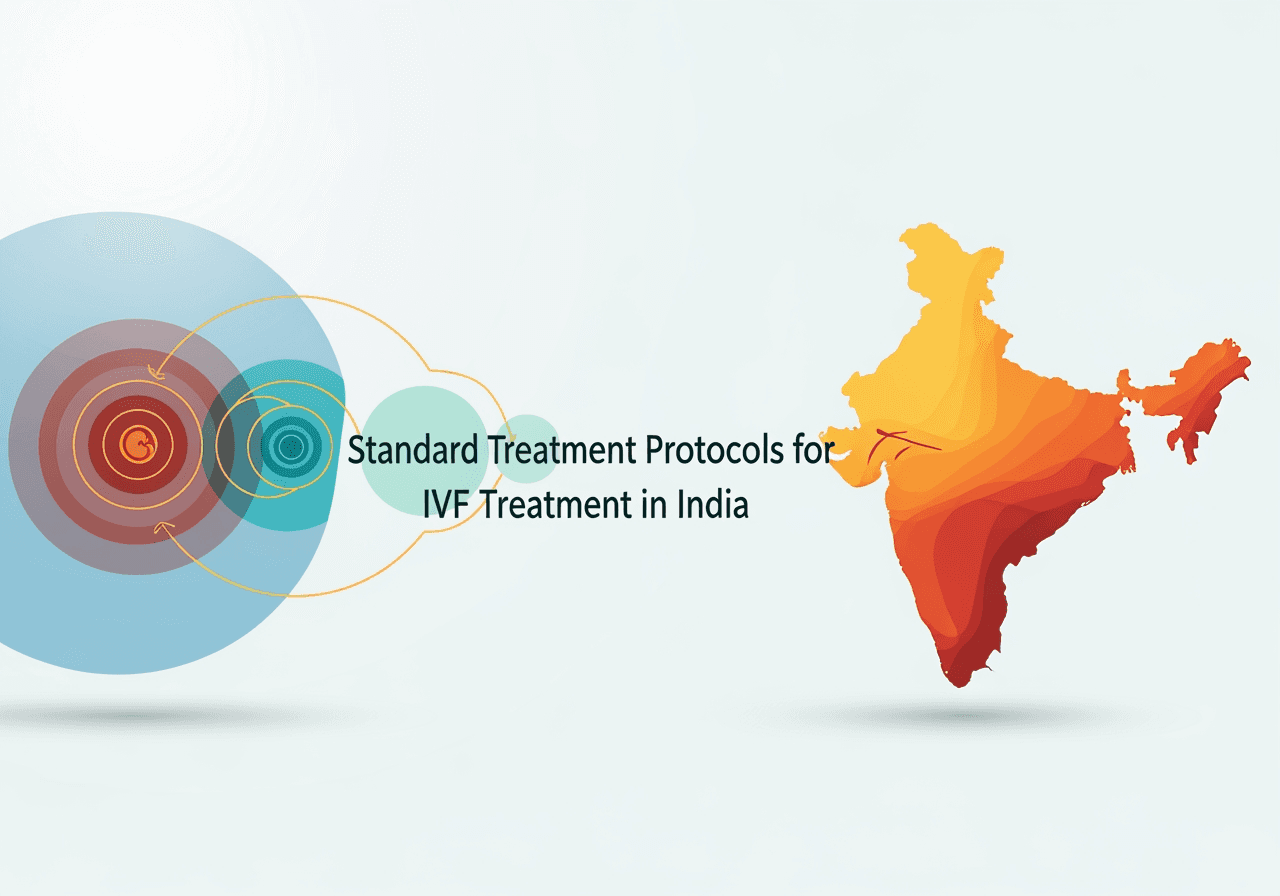
Standard Treatment Protocols for IVF Treatment in India
05 Dec, 2025
 Healthtrip
- < li>What are Standard Treatment Protocols (STPs) for IVF?
- Why are Standard Treatment Protocols Important in IVF in India? < li>Who Benefits from Standard Treatment Protocols? < li>Key Components of IVF STPs in India
- IVF STPs in Practice: Examples of Treatment Approaches at Fortis Memorial Research Institute, Gurgaon and Max Healthcare Saket
- Challenges and Future Directions of STPs in Indian IVF Clinics
- Conclusion
Initial Consultation and Evaluation
The IVF journey begins with a comprehensive consultation and evaluation, a crucial first step where your medical history is thoroughly reviewed, and initial fertility assessments are conducted. It's more than just a formality, it’s a chance for you and your partner to openly discuss your concerns, ask questions, and understand the potential challenges and opportunities that lie ahead. Doctors will typically order blood tests to assess hormone levels, evaluate ovarian reserve (AMH), and screen for infectious diseases. A semen analysis is also performed to evaluate sperm count, motility, and morphology. Imagine it as laying the foundation for a bespoke treatment plan, meticulously tailored to your unique circumstances and fertility goals. At Healthtrip, we understand the importance of this initial stage, and that's why we connect you with leading fertility specialists at hospitals like Fortis Memorial Research Institute, Gurgaon, who dedicate themselves to providing personalized care from the very beginning. These experts carefully analyze the results to determine the most appropriate IVF protocol for you, and Healthtrip ensures that it will be hassle free for you to connect to such hospitals.
Most popular procedures in India



Ovarian Stimulation
Ovarian stimulation is a key part of the IVF process, designed to encourage your ovaries to produce multiple eggs, rather than just the single egg that is usually released during a natural cycle. This is achieved through daily injections of fertility medications, usually gonadotropins, which stimulate the ovaries. Your doctor will closely monitor your progress with regular blood tests and ultrasound scans to track follicle development and hormone levels, adjusting the medication dosage as needed to optimize the response while minimizing the risk of side effects, such as ovarian hyperstimulation syndrome (OHSS). Think of it like carefully nurturing a garden, providing the right amount of sunlight and water to help the flowers bloom. It's a balancing act, and the goal is to retrieve a sufficient number of mature eggs for fertilization. Healthtrip understands the importance of careful monitoring during this stage, which is why we partner with hospitals like Fortis Shalimar Bagh who have state-of-the-art facilities and experienced endocrinologists to ensure you receive the best care and support throughout the ovarian stimulation process.

Wellness Treatments
Give yourself the time to relax
Lowest Prices Guaranteed!

Lowest Prices Guaranteed!
Egg Retrieval
Once the follicles have reached the optimal size, the egg retrieval procedure is scheduled. This is a minimally invasive procedure usually performed transvaginally under ultrasound guidance. A thin needle is inserted through the vaginal wall into each follicle to aspirate the fluid containing the eggs. Don't worry, anesthesia is administered to ensure you're comfortable throughout the procedure. The retrieved eggs are then carefully transferred to the embryology laboratory for fertilization. It's like harvesting the precious fruits of your labor, carefully collecting the eggs that hold the potential for new life. In the capable hands of the medical professionals at hospitals like Max Healthcare Saket facilitated by Healthtrip you can rest assured that the egg retrieval process will be handled with utmost care and precision. The retrieval process is quick minimizing pain and recovery time so you can quickly get back to your normal life.
Fertilization and Embryo Culture
In the embryology laboratory, the retrieved eggs are fertilized with sperm. This can be done through conventional insemination, where the eggs are mixed with sperm in a petri dish, or through intracytoplasmic sperm injection (ICSI), where a single sperm is injected directly into each egg. ICSI is often used in cases of male factor infertility or when previous fertilization attempts have been unsuccessful. Once fertilization occurs, the resulting embryos are carefully monitored and cultured in the laboratory for several days, during which time they divide and develop. Embryologists assess the quality of the embryos based on their appearance and rate of development, selecting the best embryos for transfer. It's like watching tiny miracles unfold under a microscope, witnessing the very beginning of life. Healthtrip partners with hospitals like Fortis Escorts Heart Institute that employ cutting-edge embryology techniques and maintain strict quality control standards to optimize fertilization rates and embryo development, increasing your chances of a successful pregnancy.
Embryo Transfer
The embryo transfer is a relatively simple and painless procedure. The selected embryo(s) are loaded into a thin catheter, which is then guided through the cervix and into the uterus, where the embryo(s) are gently released. The number of embryos transferred is a crucial decision that depends on several factors, including your age, embryo quality, and previous IVF attempts. Your doctor will discuss the risks and benefits of transferring single versus multiple embryos to help you make an informed choice. After the transfer, you'll typically be advised to rest for a short period before resuming light activities. It's like planting a seed in fertile ground, hoping it will take root and flourish. Healthtrip ensures that you are connected with fertility specialists at hospitals like Fortis Hospital, Noida who can provide guidance about the entire procedure, and they will also provide supportive care throughout the process to maximize your chances of implantation and pregnancy.
Pregnancy Test and Follow-up
The wait after the embryo transfer can be emotionally challenging, but it's important to remain positive and follow your doctor's instructions. About two weeks after the transfer, a blood test is performed to determine if pregnancy has occurred. If the test is positive, congratulations! You'll continue to be monitored with ultrasound scans to confirm a healthy pregnancy. If the test is negative, it can be heartbreaking, but it's important to remember that IVF success rates vary, and there are options for further cycles or alternative treatments. Healthtrip is committed to providing ongoing support throughout your entire journey, and we connect you with compassionate healthcare professionals like those at Fortis Memorial Research Institute, Gurgaon, who will help you explore the different options available to you, so you are informed of the procedures and not left in the dark. Whether it's celebrating a successful pregnancy or navigating the next steps after a failed cycle, we're here to support you every step of the way, offering guidance, encouragement, and access to the best possible care.
What are Standard Treatment Protocols (STPs) for IVF?
In the ever-evolving world of In Vitro Fertilization (IVF), Standard Treatment Protocols (STPs) represent a beacon of consistency and evidence-based practice. Think of STPs as meticulously crafted roadmaps in the journey of assisted reproduction. They are detailed, step-by-step guidelines that clinicians follow to ensure each patient receives the most appropriate and effective treatment based on their individual circumstances. Imagine embarking on a road trip without a map – you might eventually reach your destination, but the journey could be filled with unnecessary detours, delays, and frustration. Similarly, without STPs, IVF treatments could become ad-hoc, potentially leading to inconsistent outcomes and increased risks. These protocols encompass every aspect of the IVF process, from the initial patient evaluation and ovarian stimulation to egg retrieval, fertilization, embryo culture, and ultimately, embryo transfer. Each stage is carefully orchestrated, with specific medications, dosages, monitoring parameters, and decision-making criteria clearly defined. STPs are not rigid, one-size-fits-all solutions; instead, they provide a framework that allows for individualization based on the patient's age, medical history, ovarian reserve, and previous IVF attempts. The goal is to optimize the chances of a successful pregnancy while minimizing potential complications, ensuring the safest and most effective path for hopeful parents. At Healthtrip, we understand the importance of standardized approaches, and we strive to connect patients with clinics and hospitals that adhere to the highest standards of care, including the implementation of robust STPs, like those potentially found at clinics collaborating with hospitals such as Fortis Memorial Research Institute, Gurgaon or Max Healthcare Saket.
Why are Standard Treatment Protocols Important in IVF in India?
In a diverse and rapidly evolving healthcare landscape like India, the importance of Standard Treatment Protocols (STPs) in IVF cannot be overstated. Consider India, a nation where healthcare accessibility, infrastructure, and the prevalence of infertility vary significantly across different regions. STPs become a critical tool for ensuring a baseline level of quality and consistency in IVF treatments, regardless of where a patient seeks care. It's like having a universal standard for building bridges – whether in the bustling metropolis of Mumbai or a remote village in the Himalayas, you can trust that the bridge is built to withstand certain stresses and adhere to specific safety standards. STPs establish a common language and framework for IVF practitioners, fostering better communication, collaboration, and knowledge sharing. This is particularly crucial in a country with a large number of IVF clinics, ranging from small, independent practices to large, well-established hospitals. By adhering to STPs, clinics can minimize variations in treatment approaches, reduce the risk of errors, and improve overall patient outcomes. Moreover, STPs play a vital role in promoting transparency and accountability within the IVF industry. They provide patients with clear expectations about the treatment process, potential risks and benefits, and the criteria for decision-making. This empowers patients to make informed choices and actively participate in their care. Furthermore, STPs facilitate the collection and analysis of data, which is essential for continuous quality improvement and the advancement of IVF techniques. By tracking outcomes and identifying areas for improvement, clinics can refine their protocols and optimize their success rates. Healthtrip recognizes that navigating the complexities of IVF in India can be daunting. That's why we partner with hospitals and clinics, potentially including those affiliated with Fortis Hospital, Noida, and Max Healthcare Saket, that prioritize adherence to STPs, ensuring that our patients receive the best possible care based on globally recognized standards.
Who Benefits from Standard Treatment Protocols?
The beauty of Standard Treatment Protocols (STPs) in IVF lies in their widespread benefits, extending far beyond just the clinicians who implement them. It's like a well-designed public transportation system – it benefits not only the commuters who use it daily but also the city as a whole by reducing congestion, improving air quality, and promoting economic growth. First and foremost, patients are the primary beneficiaries of STPs. They gain access to treatments that are based on the best available evidence, maximizing their chances of a successful pregnancy. STPs also provide patients with a sense of security and confidence, knowing that their treatment is being guided by established guidelines and best practices. Imagine the peace of mind that comes from knowing your pilot is following a standardized flight plan, ensuring a safe and efficient journey. Clinicians also benefit immensely from STPs. These protocols provide a structured framework for decision-making, reducing ambiguity and allowing them to focus on the individual needs of each patient. STPs also facilitate the training of new IVF professionals, ensuring that they are equipped with the knowledge and skills to provide high-quality care. Furthermore, STPs can help to reduce medico-legal risks by demonstrating that the clinic is adhering to accepted standards of practice. IVF clinics and hospitals, potentially including those within the Healthtrip network like Fortis Memorial Research Institute, Gurgaon, and those collaborating with Saudi German Hospital Cairo, Egypt, also stand to gain from implementing STPs. Standardized protocols can improve efficiency, reduce costs, and enhance the reputation of the clinic. Clinics that demonstrate a commitment to quality and adherence to STPs are more likely to attract patients and build trust within the community. Finally, the broader healthcare system benefits from STPs in IVF. By promoting evidence-based practice and continuous quality improvement, STPs contribute to the overall advancement of reproductive medicine and the well-being of individuals and families.
Also Read:
Key Components of IVF STPs in India
Standard Treatment Protocols (STPs) in IVF are like well-chalked-out roadmaps, meticulously guiding fertility specialists through each step of the process. Think of it as a tailored plan, designed to maximize success rates while minimizing risks for each patient. Now, what exactly goes into crafting these comprehensive protocols? Well, several key components come into play. First, a thorough patient evaluation is paramount. This involves a detailed medical history, physical examination, and a series of diagnostic tests to assess the woman's ovarian reserve, uterine health, and hormonal levels, as well as the man's sperm quality. Understanding the specific fertility challenges of each couple is crucial for customizing the treatment approach. Then comes ovarian stimulation, a cornerstone of IVF. STPs dictate the type and dosage of medications used to stimulate the ovaries to produce multiple eggs. This process is carefully monitored through ultrasound and blood tests to ensure optimal follicular development and to prevent overstimulation.
Next up is egg retrieval, a minimally invasive procedure to collect the mature eggs from the ovaries. STPs outline the timing, technique, and anesthesia protocols to ensure a safe and comfortable experience for the patient. After egg retrieval, the eggs are fertilized in the lab with sperm, either through conventional insemination or intracytoplasmic sperm injection (ICSI). The resulting embryos are then cultured and monitored for development. STPs define the criteria for selecting the best embryos for transfer, based on their morphology and growth rate. This selection process can be further enhanced with preimplantation genetic testing (PGT) in certain cases. Finally, the selected embryo(s) are transferred into the woman's uterus, with STPs specifying the timing, technique, and number of embryos to transfer. After the embryo transfer, hormonal support is provided to help the uterine lining support implantation and early pregnancy. Throughout the entire process, STPs emphasize the importance of patient education, counseling, and emotional support to help couples navigate the emotional rollercoaster of IVF.
Also Read:
IVF STPs in Practice: Examples of Treatment Approaches at Fortis Memorial Research Institute, Gurgaon and Max Healthcare Saket
To understand how Standard Treatment Protocols (STPs) are implemented in real-world settings, let's take a peek into the IVF practices at two leading hospitals in India: Fortis Memorial Research Institute, Gurgaon, and Max Healthcare Saket. At Fortis Memorial Research Institute, Gurgaon, the IVF team emphasizes a patient-centric approach, tailoring STPs to the specific needs and medical history of each couple. For instance, for women with diminished ovarian reserve, they might employ a mild stimulation protocol, using lower doses of medication to gently stimulate the ovaries and improve egg quality. They also offer advanced techniques like time-lapse imaging and preimplantation genetic testing (PGT) to enhance embryo selection. Fortis Memorial Research Institute is located at Sector - 44, Opposite HUDA City Centre Gurgaon, Haryana - 122002, India, and you can find more about them on Healthtrip here: Fortis Memorial Research Institute.
Over at Max Healthcare Saket, the IVF specialists prioritize a holistic approach, integrating lifestyle modifications like diet and exercise into the treatment plan. They offer a range of STPs, from conventional stimulation protocols to antagonist protocols, depending on the patient's ovarian response and risk factors. Max Healthcare Saket also has a dedicated team of counselors who provide emotional support and guidance to couples throughout the IVF journey, recognizing the emotional toll it can take. Both Fortis Memorial Research Institute and Max Healthcare Saket adhere to strict quality control measures and ethical guidelines, ensuring patient safety and maximizing success rates. They also actively participate in research and development, constantly refining their STPs to incorporate the latest advancements in reproductive technology. Max Healthcare Saket is located at 1,2 Press Enclave Road, Saket, New Delhi, Delhi 110017, India, and their Healthtrip page is available here: Max Healthcare Saket. These examples highlight how STPs provide a framework for consistent and evidence-based IVF care, while still allowing for individualization to meet the unique needs of each patient.
Challenges and Future Directions of STPs in Indian IVF Clinics
While Standard Treatment Protocols (STPs) have revolutionized IVF practice in India, several challenges remain, and exciting future directions are on the horizon. One of the biggest hurdles is the lack of uniform adoption and implementation of STPs across all IVF clinics in the country. Many smaller clinics may not have the resources or expertise to develop and adhere to comprehensive protocols, leading to variations in treatment quality and success rates. To address this challenge, there's a growing need for national guidelines and accreditation standards to ensure consistent and high-quality IVF care across all centers. Another challenge is the limited availability of advanced technologies like preimplantation genetic testing (PGT) and time-lapse imaging in many Indian IVF clinics. These technologies can significantly improve embryo selection and pregnancy rates, but they are often expensive and require specialized expertise. Making these technologies more accessible and affordable is crucial for improving IVF outcomes for a wider range of patients.
Looking ahead, the future of STPs in Indian IVF clinics is bright, with several exciting developments on the horizon. One promising area is the use of artificial intelligence (AI) and machine learning to personalize treatment protocols and predict IVF success rates. AI algorithms can analyze vast amounts of patient data to identify the optimal stimulation protocol, embryo selection criteria, and transfer timing for each individual, leading to more targeted and effective treatment. Another exciting trend is the growing emphasis on lifestyle modifications and holistic approaches to fertility care. STPs are increasingly incorporating recommendations for diet, exercise, stress management, and other lifestyle factors that can impact IVF outcomes. Finally, there's a growing recognition of the importance of patient empowerment and shared decision-making in IVF. STPs are evolving to provide patients with more information and control over their treatment options, ensuring that they are active participants in their fertility journey. By addressing these challenges and embracing these future directions, Indian IVF clinics can continue to improve patient outcomes and provide world-class fertility care.
Also Read:
Conclusion
In conclusion, Standard Treatment Protocols (STPs) represent a significant advancement in the field of IVF, offering a structured and evidence-based approach to fertility care in India. By providing a framework for consistent and high-quality treatment, STPs have helped to improve IVF success rates, reduce complications, and enhance patient satisfaction. While challenges remain in terms of uniform adoption and access to advanced technologies, the future of STPs in Indian IVF clinics is bright. With ongoing efforts to develop national guidelines, incorporate AI and holistic approaches, and empower patients, STPs are poised to play an even greater role in helping couples achieve their dream of parenthood. For those considering IVF treatment, understanding the role of STPs is essential for making informed decisions and navigating the complexities of fertility care.
Healthtrip, as a facilitator of medical tourism, can play a crucial role in connecting patients with IVF clinics in India that adhere to the highest standards of STPs and offer the latest advancements in reproductive technology. Whether you're seeking a detailed consultation, a second opinion, or assistance in finding the right IVF center, Healthtrip can provide the resources and support you need to embark on your fertility journey with confidence. By partnering with reputable IVF clinics and ensuring transparency and patient-centric care, Healthtrip is committed to helping couples from around the world achieve their reproductive goals.
Related Blogs

Why Second Opinions Matter Before Eye Surgery Doctors Explain
Deep medical insights, treatment comparisons, safety standards, and technological updates

International Patients' Guide to Understanding Eye Surgery Terminology
Deep medical insights, treatment comparisons, safety standards, and technological updates

How Healthtrip Ensures Patient Safety During Eye Surgery Procedures
Deep medical insights, treatment comparisons, safety standards, and technological updates

Choosing Between Treatment Options for Eye Surgery
Deep medical insights, treatment comparisons, safety standards, and technological updates

How to Read Your Medical Reports Before Eye Surgery
Deep medical insights, treatment comparisons, safety standards, and technological updates

Breakthrough Medical Technologies Transforming Eye Surgery in India
Deep medical insights, treatment comparisons, safety standards, and technological updates