Post-Surgery Complications in Medical Tourism
10 Feb, 2026
 Healthtrip
- Understanding the Appeal and Pitfalls of Medical Tourism
- The Most Common Post-Surgery Complications Encountered Abroad
- Why Complications May Be Amplified in Medical Tourism Settings
- Where and When Post-Operative Issues Typically Arise for Medical Tourists
- Who is Most at Risk? Identifying Vulnerable Patients and Procedures
- The Practical Challenges of Managing Complications Far From Home
- Essential Steps for Mitigating Risks and Ensuring a Safer Experience
- Conclusion: Navigating the Future of Medical Tourism with Caution
Most popular procedures in India

Understanding the Appeal and Pitfalls of Medical Tourism
The allure of medical tourism is undeniably powerful, drawing millions each year with the promise of high-quality healthcare that is often more affordable, more accessible, or simply more specialized than what they can find at home. Imagine needing a critical procedure, a hip replacement for instance, and discovering you can receive world-class care at a facility like Fortis Memorial Research Institute, Gurgaon, or perhaps a significant cosmetic transformation at Yanhee International Hospital in Thailand, all while saving a substantial amount of money or avoiding a lengthy waiting list. This isn't just about cost-cutting; it's about life-changing opportunities, access to innovative treatments, and the chance to embark on a healing journey that feels more personalized and often quicker. Healthtrip stands at the forefront of this movement, connecting patients to a curated network of top-tier international hospitals, ensuring that the dream of accessible, excellent healthcare becomes a tangible reality for countless individuals seeking improved health and wellbeing across borders, whether for complex surgeries or elective procedures.
However, like any significant undertaking, medical tourism comes with its own unique set of considerations, and understanding these "pitfalls" is as crucial as appreciating the "appeal." While the prospect of combining recovery with a pleasant change of scenery is enticing, ignoring the potential challenges can turn a hopeful endeavor into a stressful experience. Think about the logistical complexities of travel post-surgery, the potential for language barriers disrupting critical communication, or the daunting task of navigating different medical protocols. What if an unexpected complication arises after you've returned home from a procedure performed by renowned specialists at OCM Orthopädische Chirurgie München? The continuity of care, the legal recourse in case of a dispute, and the sheer emotional and physical toll of being far from your familiar support system are all significant factors that prospective medical tourists must weigh carefully. Healthtrip empowers patients by providing comprehensive information and support, ensuring transparency and connecting them with reputable providers, thereby mitigating many of these potential pitfalls and fostering truly informed decision-making for a safer, more predictable journey.

Wellness Treatments
Give yourself the time to relax
Lowest Prices Guaranteed!

Lowest Prices Guaranteed!
The Most Common Post-Surgery Complications Encountered Abroad
Undergoing surgery, whether locally or abroad, is a significant medical event that inherently carries risks, but when you embark on a medical tourism journey, the familiar concerns can take on an entirely new dimension. The most common post-surgery complications encountered by medical tourists are often similar to those faced by patients at home, but their management can become significantly more complex due to geographical distance and unfamiliar surroundings. Surgical site infections, for example, are a persistent worry, capable of transforming a successful operation into a prolonged recovery. Deep vein thrombosis (DVT) and pulmonary embolism (PE), dangerous blood clots, are also increased risks, especially after long-haul flights or prolonged immobility immediately following surgery. Imagine recovering after a procedure at Saudi German Hospital Cairo, only to develop a DVT during your flight home; the immediate follow-up care can be incredibly challenging to coordinate. Beyond these, adverse drug reactions, inadequate pain management, and wound healing issues like dehiscence are frustratingly common, emphasizing the critical importance of selecting a facility with stringent safety protocols and comprehensive post-operative care planning, a key service Healthtrip offers by vetting its network of global hospitals.
Beyond the more immediate, acute complications, medical tourists can also face issues that are less life-threatening but equally impactful on their quality of life and satisfaction. For instance, post-operative pain management can be particularly challenging without direct, continuous access to the surgical team, leading to unnecessary discomfort and anxiety. Functional limitations, such as restricted movement after an orthopedic procedure or nerve damage resulting in numbness or weakness, though rare, can have long-lasting effects. Aesthetic dissatisfaction, especially prevalent in cosmetic procedures performed at clinics like Yanhee International Hospital, while not a direct medical complication, can significantly impact patient well-being and require further corrective interventions. Furthermore, issues like seromas (fluid collections) or hematomas (blood clots) can occur, requiring drainage or further medical attention. Healthtrip guides patients towards hospitals known for their excellent patient outcomes and robust aftercare instructions, ensuring patients are well-informed about potential complications and equipped with the knowledge to identify and address them. The goal is to proactively minimize these risks by connecting individuals with highly experienced surgeons and facilities committed to patient safety and comprehensive recovery.
Why Complications May Be Amplified in Medical Tourism Settings
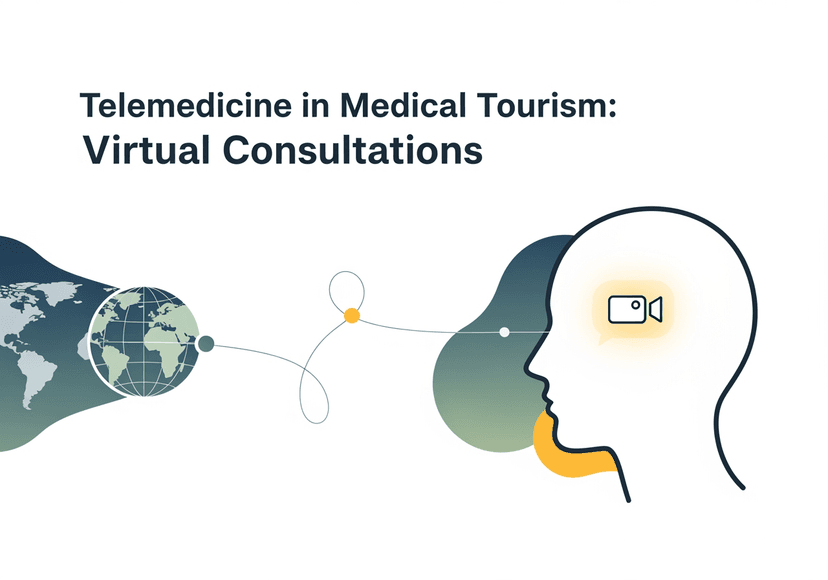
The very elements that make medical tourism so attractive – primarily cost-effectiveness and access to care abroad – can inadvertently heighten the severity or complexity of complications if they arise. The most significant amplifier is quite literally, distance. When you undergo a procedure at Vejthani Hospital in Thailand and then return home a few days or weeks later, hundreds or thousands of miles separate you from your surgeon. Should you develop a fever, persistent pain, or a wound infection, getting immediate, personalized follow-up from the operating surgeon becomes logistically arduous, often relying on remote communication or requiring another expensive and potentially risky flight back. The journey itself, especially long-haul flights, puts physiological strain on the body, increasing risks like deep vein thrombosis, even after what might seem like a minor procedure. Furthermore, the stress of being in an unfamiliar environment, combined with changes in diet and routine, can subtly impact the immune system, rendering patients more susceptible to infections and slowing down the natural healing process. Healthtrip aims to bridge this geographical gap by connecting patients with hospitals that offer robust pre- and post-operative support, including potential telemedicine consultations, to ensure continuity of care despite the distance.
Beyond the challenges of geography, several other factors contribute to the amplification of post-surgical complications in a medical tourism context. A crucial concern is the potential for fragmented care due to a lack of seamless medical record transfer between the international facility and your local healthcare provider. Your local doctor, unfamiliar with the specific surgical techniques or post-operative protocols utilized by an overseas surgeon at, for example, Quironsalud Hospital Toledo, might struggle to accurately diagnose or treat a new complication. Language barriers, though often minimized with medical tourism facilitators, can still lead to subtle misunderstandings in patient instructions or symptom descriptions, potentially delaying critical interventions. Furthermore, variations in medical standards, regulatory oversight, and even medication availability between countries can create unforeseen challenges. Healthtrip meticulously vets its partner hospitals, such as Max Healthcare Saket, to ensure they adhere to international best practices, provide comprehensive medical documentation for continuity of care, and have robust communication channels. This proactive approach helps mitigate the unique risks inherent in medical tourism, enabling patients to focus on their recovery with peace of mind, knowing that a support system is in place.
Also Read:
Where and When Post-Operative Issues Typically Arise for Medical Tourists
Embarking on a medical journey abroad, while promising, often brings a unique set of considerations, especially concerning the timeline and location where post-operative issues might surface. It's not always about what happens immediately on the operating table; sometimes, the most challenging complications manifest days, weeks, or even months after returning home. Initially, during the immediate recovery phase in a destination like Fortis Escorts Heart Institute in India or Saudi German Hospital Cairo in Egypt, patients are under constant medical supervision, which helps catch and address issues promptly. However, the real test often begins when you're back in your own comfort zone, far from your surgical team. A subtle infection, a delayed healing process, or an unexpected reaction to medication might not become apparent until you're navigating daily life again, making follow-up care a logistical puzzle. The geographical distance and differing healthcare systems can turn what would be a minor inconvenience at home into a significant hurdle when you've just traveled thousands of miles for your procedure.
Who is Most at Risk? Identifying Vulnerable Patients and Procedures
Understanding who might be more susceptible to post-operative complications is crucial for anyone considering medical tourism. Not all patients and procedures carry the same risk profile. Individuals with pre-existing chronic conditions like diabetes, heart disease, or compromised immune systems inherently face higher chances of complications, regardless of where they have their surgery. Age also plays a significant role; older patients, for instance, often have slower healing times and may be more vulnerable to infections or adverse reactions. Furthermore, the complexity of the procedure itself dramatically influences risk. Highly specialized surgeries such as organ transplants, intricate cardiac procedures performed at renowned facilities like Fortis Memorial Research Institute in Gurgaon, India, or advanced cancer treatments like proton therapy available at QUIRONSALUD PROTON THERAPY CENTRE in Spain, carry inherent risks that demand meticulous post-operative care. Patients undergoing joint replacements at OCM Orthopädische Chirurgie München in Germany or cosmetic surgeries, while seemingly less critical, also face specific risks like infection, bleeding, or unsatisfactory aesthetic outcomes. It’s essential for potential medical tourists to have a candid discussion with their healthcare coordinator, like those at Healthtrip, about their personal risk factors and the specific challenges associated with their chosen procedure. Having this insight empowers patients to make informed decisions and prepare adequately for potential complications.
Also Read:
The Practical Challenges of Managing Complications Far From Home
When a complication arises after returning from medical tourism, the emotional and logistical hurdles can feel immense. Imagine experiencing unexpected pain or swelling days after returning home from a procedure at Yanhee International Hospital in Thailand, only to realize your local doctor isn't familiar with the specific surgical techniques used abroad. This geographical disconnect creates a frustrating communication gap between your home care provider and your international surgeon. Language barriers, even with the best translation services, can lead to misinterpretations of symptoms or instructions, adding another layer of stress. Furthermore, the financial implications of unexpected follow-up care, re-testing, or even emergency re-admission can quickly erode any cost savings that initially drew you to medical tourism, especially if your travel insurance doesn't cover post-operative complications once you're back home. Healthtrip understands these challenges deeply and strives to bridge this gap by facilitating communication and providing support throughout your journey, partnering with hospitals like Max Healthcare Saket in India or Memorial Bahçelievler Hospital in Turkey, which are committed to comprehensive patient care. We believe that peace of mind is invaluable, and navigating these complexities requires careful planning and robust support systems that extend beyond the initial surgery.
Essential Steps for Mitigating Risks and Ensuring a Safer Experience
Embarking on a medical journey abroad doesn't have to be a leap of faith; with careful planning and the right support, you can significantly mitigate potential risks. The cornerstone of a safer experience lies in thorough research and choosing reputable partners. Always opt for internationally accredited hospitals and highly experienced surgeons, which Healthtrip meticulously vets and partners with, such as Mount Elizabeth Hospital in Singapore or Helios Klinikum Erfurt in Germany. Before your trip, engage in comprehensive consultations with both your local doctor and the international surgical team to clearly understand the procedure, potential risks, and the expected recovery timeline. Ensuring you have robust medical travel insurance that covers unforeseen complications, including potential re-admission or repatriation, is absolutely non-negotiable. Develop a detailed post-operative care plan with your international medical team and share it with your local physician so they are prepared for your return. Healthtrip assists in coordinating these vital steps, from connecting you with top-tier facilities like NMC Specialty Hospital, Abu Dhabi, to helping you understand insurance options and follow-up protocols, making your journey as seamless and secure as possible. Remember, preparedness isn't about expecting the worst; it’s about empowering yourself for the best possible outcome, no matter what challenges may arise.
Conclusion: Navigating the Future of Medical Tourism with Caution
Medical tourism offers an incredible avenue for accessing high-quality, often more affordable healthcare solutions globally, providing hope and healing to countless individuals. Yet, as with any significant medical decision, it comes with its own set of considerations, particularly regarding the potential for post-operative complications. The journey isn't just about the surgery itself; it encompasses thorough pre-operative planning, the procedure, and crucially, vigilant post-operative recovery, both abroad and upon returning home. While the allure of world-class facilities like Quironsalud Hospital Toledo in Spain or Vejthani Hospital in Thailand is strong, an informed and cautious approach is paramount. Healthtrip is committed to demystifying this process, acting as your trusted guide, ensuring you are equipped with the knowledge, resources, and access to the finest medical professionals and facilities worldwide. We empower you to make well-informed decisions, prioritize your safety, and navigate any challenges that may arise with confidence and comprehensive support. By understanding the risks, meticulously planning, and leveraging expert assistance, you can truly harness the transformative potential of medical tourism while safeguarding your health every step of the way.
Related Blogs
Medical Tourism for Rare Disease Treatment
Specialized care for complex conditions
Telemedicine in Medical Tourism: Virtual Consultations
Remote healthcare planning and follow-up
Robotic Surgery Benefits in Medical Tourism
Minimally invasive procedures with technology

Gender Affirmation Surgery: International Guide
Transgender healthcare procedures abroad

Kidney Transplant in Medical Tourism
Renal replacement therapy across borders
Liver Transplant Surgery Abroad
Organ replacement procedures internationally