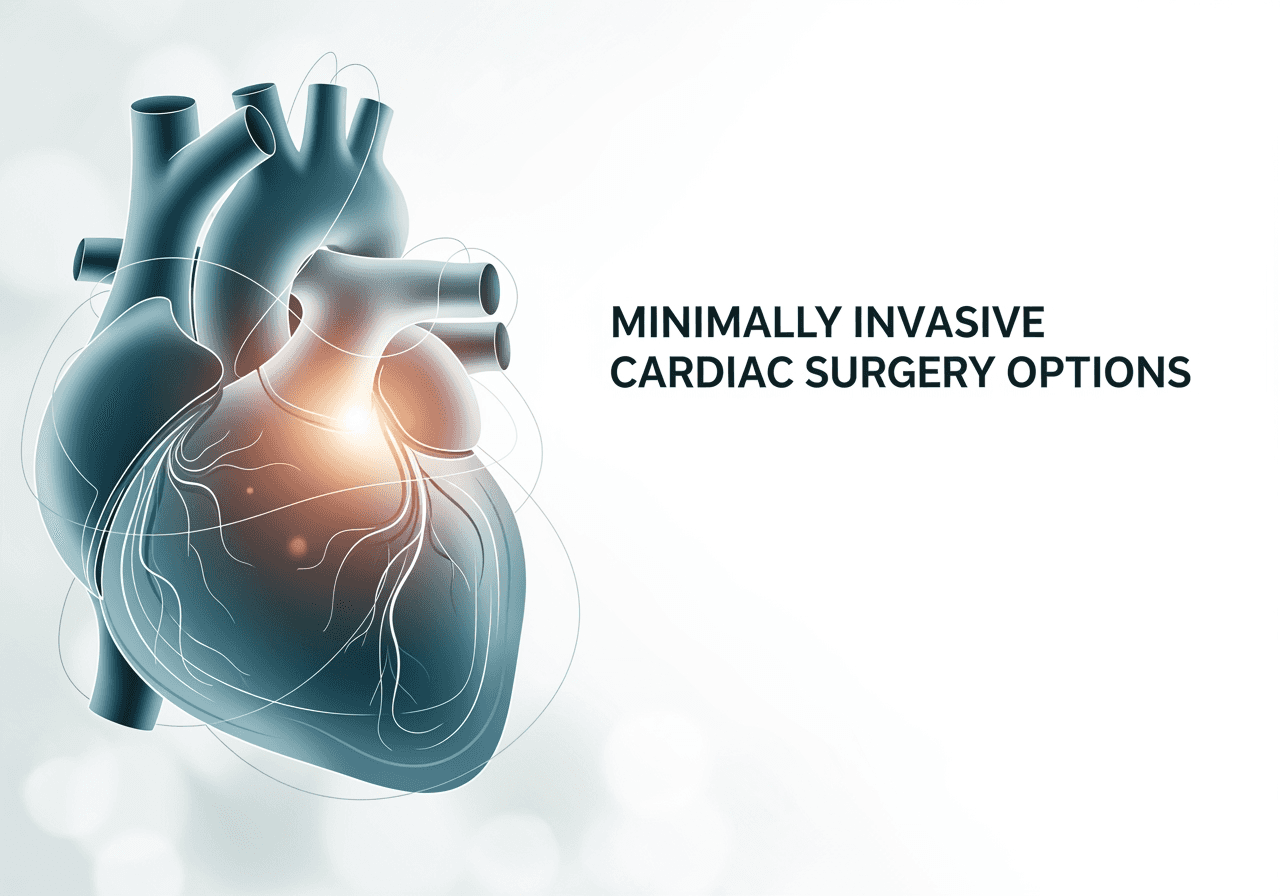
Minimally Invasive Cardiac Surgery Options
07 Feb, 2026
 Healthtrip
- < li>What is Minimally Invasive Cardiac Surgery (MICS)?
- Why Choose Minimally Invasive Cardiac Surgery?
- Who is a Candidate for Minimally Invasive Cardiac Surgery?
- Common Cardiac Procedures Performed Using MICS Techniques
- The Minimally Invasive Cardiac Surgery Patient Journey: What to Expect
- Leading Hospitals for Minimally Invasive Cardiac Surgery
- Preparing for Your MICS Healthtrip
- Conclusion
Most popular procedures in India

What is Minimally Invasive Cardiac Surgery (MICS)?
Imagine facing heart surgery. For decades, this phrase conjured images of a large incision down the chest, a cracked sternum, and a long, arduous recovery. It was a daunting prospect, often leading to significant anxiety for patients and their families. But what if we told you there's a revolutionary approach that transforms this experience, making it far less invasive and much more manageable? Welcome to the world of Minimally Invasive Cardiac Surgery (MICS). Unlike traditional open-heart surgery, which requires a large incision and splitting the breastbone (sternotomy), MICS procedures are performed through much smaller incisions, often just a few inches long, between the ribs. Surgeons use specialized instruments and high-definition cameras to navigate and operate on the heart, essentially performing complex procedures through tiny 'keyholes.' This advanced technique represents a monumental leap in cardiac care, significantly reducing trauma to the body while achieving the same excellent surgical outcomes. Healthtrip is proud to connect patients with world-class facilities and expert surgeons specializing in these cutting-edge techniques, ensuring you have access to the best possible care from top hospitals like Saudi German Hospital Cairo or Bangkok Hospital, where MICS is routinely performed.

Wellness Treatments
Give yourself the time to relax
Lowest Prices Guaranteed!

Lowest Prices Guaranteed!
Why Choose Minimally Invasive Cardiac Surgery?
The benefits of opting for MICS are truly transformative, offering a ray of hope for those needing cardiac intervention. The most immediate and often celebrated advantage is the significantly reduced post-operative pain. Because the sternum isn't cut, patients experience far less discomfort, leading to a more comfortable recovery period and a reduced reliance on strong pain medications. But that's just the tip of the iceberg! MICS typically means a much shorter hospital stay, often allowing patients to return home in just a few days compared to the week or more associated with traditional surgery. This expedited recovery isn't just about comfort; it translates to a quicker return to your daily life, your family, and the activities you love. Think about it: less time in a hospital bed means more time regaining your independence. Furthermore, the smaller incisions result in less scarring, a pleasing cosmetic outcome for many, and a significantly lower risk of infection because the wound is smaller and heals faster. It's about empowering patients to reclaim their health with minimal disruption, and through Healthtrip, accessing these life-changing procedures at leading institutions such as Fortis Memorial Research Institute or Memorial Sisli Hospital becomes a seamless journey.
Who is a Candidate for Minimally Invasive Cardiac Surgery?
While the allure of MICS is undeniable, it’s important to understand that it’s not a one-size-fits-all solution. Determining candidacy for minimally invasive cardiac surgery involves a thorough and personalized evaluation by a highly skilled cardiac surgeon. This isn't just a quick check-up; it's a comprehensive assessment of your specific heart condition, overall health, medical history, and even your anatomy. Factors like the type of heart disease (whether it's a valve issue, coronary artery blockage, or a congenital defect), your age, existing lung conditions, and any previous surgeries or radiation therapy in the chest area all play a crucial role in the decision-making process. The good news is that advancements in MICS mean that a wider range of patients are now eligible than ever before, with procedures like mitral valve repair, aortic valve replacement, coronary artery bypass grafting (CABG) for certain cases, and atrial septal defect repair frequently performed using these techniques. If you're pondering MICS, reaching out to Healthtrip is your first proactive step. We connect you with top cardiac specialists across the globe – from Cleveland Clinic London to Vejthani Hospital in Thailand – who can meticulously assess your situation and determine if MICS is the safest and most effective path for your heart health journey, guiding you every step of the way with warmth and expertise.
Also Read:
Common Cardiac Procedures Performed Using MICS Techniques
When we talk about groundbreaking advancements in medicine, Minimally Invasive Cardiac Surgery (MICS) often steals the spotlight, revolutionizing how we approach heart conditions. Gone are the days when open-heart surgery, with its large incisions and prolonged recovery, was the only option for many cardiac patients. Today, MICS allows skilled surgeons to perform complex procedures through tiny incisions, often just a few centimeters long, using specialized instruments and advanced imaging. This incredible technique isn't just a minor tweak; it's a paradigm shift, enabling patients to recover faster, experience less pain, and get back to their lives with renewed vigor. Its applications are broad, ranging from intricate valve repairs to vital bypass surgeries, making it a viable and often preferred choice for a spectrum of heart ailments. For anyone considering heart surgery, understanding the breadth of what MICS can achieve opens up a world of possibilities for a less daunting, more comfortable path to healing.
One of the most frequently performed MICS procedures is mitral valve repair or replacement. The mitral valve, a critical component of the heart, can sometimes become leaky or narrowed, disrupting the flow of blood and causing severe symptoms. Traditionally, correcting this involved a large incision down the sternum, but with MICS, surgeons access the heart through small incisions on the side of the chest, expertly repairing or replacing the valve with remarkable precision. Similarly, aortic valve replacement, another common and vital procedure, now benefits immensely from minimally invasive approaches. Patients often face less blood loss, fewer complications, and a significantly shorter hospital stay, which makes a world of difference in their post-operative journey. It’s truly a testament to medical innovation, offering a beacon of hope for individuals who might otherwise dread the prospect of open-heart intervention, ensuring their recovery is not just efficient but also far more comfortable.
Beyond valve surgeries, MICS has expanded its reach to include coronary artery bypass grafting (CABG), often referred to simply as bypass surgery. For patients suffering from blockages in their heart arteries, MICS offers an alternative to traditional open-chest bypass, performing the same life-saving graft connections with much smaller incisions. This means less pain, reduced risk of infection, and a quicker return to daily activities, a huge benefit for those needing multiple grafts. Additionally, MICS techniques are increasingly used for correcting congenital heart defects like atrial septal defects (ASD), which are holes in the wall separating the heart's upper chambers. The ability to address such diverse and critical cardiac issues with minimal invasion underscores the technique's versatility and its profound impact on patient care. Healthtrip recognizes the immense value of these procedures, connecting patients with world-class hospitals and surgeons who excel in these innovative, life-changing techniques.
The Minimally Invasive Cardiac Surgery Patient Journey: What to Expect
Embarking on a journey for Minimally Invasive Cardiac Surgery (MICS) might seem daunting at first, but with Healthtrip by your side, it transforms into a meticulously planned and supportive experience. Your MICS journey typically begins long before you even step into the operating room, with a thorough pre-operative phase. This stage involves detailed consultations with cardiac specialists, where they assess your overall health, review your medical history, and conduct a series of diagnostic tests like echocardiograms, CT scans, and angiograms. These evaluations are crucial for determining if MICS is the right approach for your specific condition and for planning the precise surgical strategy. Expect open and honest discussions about the procedure, potential risks, and expected outcomes, ensuring you feel completely informed and comfortable. Healthtrip assists you in coordinating these initial consultations, gathering your medical records, and ensuring all necessary paperwork is in order, removing much of the logistical burden from your shoulders.
On the day of surgery, you'll be prepared by a compassionate medical team, who will guide you through every step, from admission to anesthesia. During the MICS procedure itself, the magic truly happens: surgeons make small incisions, often just 2-4 inches long, between the ribs, avoiding the need to cut through the breastbone. They use specialized instruments and a tiny camera, providing a magnified, high-definition view of the heart on a monitor, allowing for incredible precision. This less invasive approach means significantly less trauma to the body, reduced blood loss, and a lower risk of infection compared to traditional open-heart surgery. Patients often wake up feeling surprisingly more comfortable, with pain managed effectively through modern protocols. This translates to an easier initial recovery period, as your body isn't grappling with the extensive physical trauma associated with larger incisions, setting the stage for a smoother, quicker bounce-back.
The post-operative recovery truly highlights the advantages of MICS. While you'll still spend a few days in the hospital, typically 3-7 days, your recovery often feels much faster. Patients often experience less post-operative pain and are encouraged to mobilize sooner, which is vital for preventing complications and accelerating healing. Respiratory function tends to improve more rapidly, and the risk of complications such as blood clots or pneumonia often decreases. Once discharged, the recovery continues at home, where you’ll follow specific instructions regarding activity levels, wound care, and medication. Many patients report being able to return to light activities and even work much sooner than those who undergo traditional open-heart surgery, sometimes within a few weeks rather than months. Healthtrip continues its support during this crucial phase, assisting with follow-up appointments, medication acquisition, and ensuring you have all the resources for a comfortable and efficient return to full health.
Leading Hospitals for Minimally Invasive Cardiac Surgery
Choosing the right hospital and medical team is paramount for a successful Minimally Invasive Cardiac Surgery. Thankfully, Healthtrip has partnered with some of the world's most renowned medical institutions, ensuring you have access to cutting-edge MICS technology and highly experienced surgeons. These hospitals are not just facilities; they are centers of excellence, blending advanced medical science with compassionate patient care, making your health journey as seamless and effective as possible. When considering MICS, you want a place where innovation meets expertise, where the operating theaters are equipped with the latest and greatest, and where the medical staff genuinely cares about your well-being, guiding you through every step. Healthtrip takes the guesswork out of this crucial decision, presenting you with a curated selection of top-tier facilities globally, allowing you to focus solely on your recovery and health outcomes.
Among the leading institutions offering exemplary MICS services is the Fortis Escorts Heart Institute in New Delhi, India. Renowned for its unparalleled cardiac care, this hospital boasts a team of celebrated cardiothoracic surgeons who regularly perform a high volume of complex MICS procedures with outstanding success rates. Their dedicated focus on cardiac health means they are often at the forefront of adopting the latest minimally invasive techniques, ensuring patients receive the most advanced and effective treatments available. Similarly, the Memorial Bahçelievler Hospital in Istanbul, Turkey, stands out as a beacon of medical innovation, offering state-of-the-art MICS facilities and a multidisciplinary team committed to patient-centric care. Their commitment to integrating technology with personalized treatment plans makes them a sought-after destination for international patients seeking sophisticated cardiac solutions, providing peace of mind to those entrusting them with their heart health.
Moreover, the Saudi German Hospital Cairo in Egypt represents another excellent choice, providing world-class medical services, including advanced MICS, within a welcoming environment. They combine international standards of care with local expertise, making them a popular option for patients across the MENA region and beyond. For those looking towards Southeast Asia, Vejthani Hospital in Bangkok, Thailand, is highly regarded for its comprehensive cardiac programs, including robust MICS offerings. These hospitals are equipped with cutting-edge hybrid operating rooms, specialized robotic systems, and intensive care units designed for optimal cardiac recovery, ensuring that every patient receives the highest standard of care from diagnosis through rehabilitation. Healthtrip facilitates direct access to these esteemed institutions, managing appointments, travel arrangements, and ensuring a smooth transition into their expert care, so you can embark on your healing journey with confidence and support.
Also Read:
Preparing for Your MICS Healthtrip
Preparing for a medical journey abroad, especially for something as significant as Minimally Invasive Cardiac Surgery, can feel like navigating a complex maze. This is precisely where Healthtrip becomes your invaluable guide, transforming potential stress into a smooth, organized experience. Your preparation will encompass several key areas, starting with comprehensive logistical planning. This means arranging your travel—flights, local transportation, and comfortable accommodation for both you and any accompanying family members. Healthtrip's dedicated team handles all these details, securing cost-effective travel options and ensuring your stay is relaxing and conducive to healing, whether you prefer a hotel close to the hospital or a serviced apartment for longer stays. Moreover, we assist with visa applications and any necessary travel insurance, ensuring all bureaucratic hurdles are cleared well in advance, so you can focus on your health, not administrative paperwork.
Beyond logistics, medical preparation is absolutely vital. This involves compiling all your relevant medical records, including test results, imaging scans, and previous doctor's notes, into a comprehensive package that can be shared securely with your chosen international medical team. Healthtrip facilitates this crucial information exchange, ensuring the cardiac specialists have a complete picture of your health before you even arrive. They can then review your case thoroughly, confirm the suitability of MICS, and plan your treatment meticulously. Furthermore, we help coordinate pre-trip consultations, often via telemedicine, allowing you to connect with your surgeon and ask any questions or address concerns directly. This proactive approach ensures that when you arrive for your surgery, the medical team is fully prepared, and you feel entirely confident and informed about the journey ahead, fostering a sense of readiness and peace of mind.
Emotional and psychological preparation also plays a significant role in your MICS healthtrip. Undergoing any surgery, especially heart surgery, can be emotionally taxing, so it’s essential to build a strong support system. Talk to your family and friends, lean on their encouragement, and feel free to discuss your anxieties with your Healthtrip patient coordinator, who is there to offer reassurance and practical support. We encourage you to research the procedure, understand the recovery process, and set realistic expectations for your recuperation. While MICS offers a faster recovery than traditional open-heart surgery, it is still a major procedure requiring patience and dedication to rehabilitation. Our team can also connect you with patient testimonials or support groups, providing a sense of community and shared experience. By addressing these emotional aspects, Healthtrip helps you arrive for your surgery not just physically ready, but mentally resilient and hopeful for a swift and complete recovery, truly embracing the path to a healthier heart.
Conclusion
Minimally Invasive Cardiac Surgery represents a monumental leap forward in cardiovascular care, offering patients a less arduous route to recovery and a quicker return to the rhythm of everyday life. The advantages are clear: smaller incisions, less pain, reduced risk of complications, shorter hospital stays, and a significantly faster rehabilitation period. These benefits don't just improve physical outcomes; they profoundly enhance the overall experience of heart surgery, transforming what was once a grueling ordeal into a manageable and hopeful journey. It’s a testament to the relentless pursuit of medical innovation, pushing the boundaries of what’s possible in surgical techniques to prioritize patient comfort and long-term well-being. For countless individuals facing challenging heart conditions, MICS provides a genuine opportunity to reclaim their health and vitality with minimized disruption to their lives, promising a brighter, more active future.
At Healthtrip, we firmly believe that everyone deserves access to the best possible medical care, regardless of geographical boundaries. Our mission is to bridge this gap, connecting you with elite hospitals and world-class surgeons who specialize in MICS and other advanced treatments. We understand that navigating international healthcare can be complex, and that's precisely why our expert team handles every detail, from initial consultations and travel logistics to accommodation and post-operative support. We're not just a service; we're your dedicated partner, committed to making your entire healthtrip experience as seamless, stress-free, and successful as possible. Your journey to a healthier heart is our priority, and with the advancements in MICS coupled with Healthtrip's comprehensive support, you can embark on this path with ultimate confidence, knowing you are in the safest and most capable hands every step of the way.
Related Blogs

Preparing for Heart Surgery in Another Country
Essential checklist for cardiac procedures
Cardiac Surgery Recovery: Post-Operative Care Abroad
Healing and rehabilitation after heart surgery
Angioplasty and Stenting in Medical Tourism
Interventional cardiology procedures abroad

Heart Valve Replacement Abroad: What to Expect
Comprehensive guide to valvular surgery

Coronary Artery Bypass Surgery: Countries and Costs
CABG procedures across medical tourism destinations
Robotic Surgery in Singapore: Advanced Technology
Minimally invasive surgical excellence