
Liver Transplant in India: Success Rates and Recovery
05 Feb, 2026
 Healthtrip
- Why Liver Transplant is Needed and Its Growing Importance in India
- Eligibility Criteria and the Comprehensive Evaluation Process for Liver Transplant
- Understanding the Liver Transplant Surgical Procedure: What to Expect
- Leading Liver Transplant Centers in India: Success Stories and Expertise
- Liver Transplant Success Rates in India: A Detailed Analysis of Outcomes
- The Recovery and Rehabilitation Journey After Liver Transplant Surgery
- Conclusion: A New Lease on Life
Most popular procedures in India

Why Liver Transplant is Needed and Its Growing Importance in India
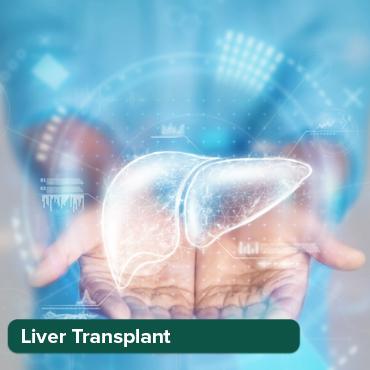
When the liver, one of our body's most diligent multitaskers, starts to falter beyond repair, life itself hangs in the balance. This vital organ performs over 500 functions, from detoxifying our blood and producing essential proteins to aiding digestion and storing energy. Unfortunately, conditions like end-stage liver disease, often resulting from chronic viral hepatitis (B or C), alcoholic liver disease, non-alcoholic fatty liver disease (NAFLD), or even certain types of cancer, can silently erode its capacity. When the liver becomes so severely damaged that it can no longer function, causing irreversible damage like cirrhosis or acute liver failure, a liver transplant becomes not just an option, but often the only lifeline. Imagine living with constant fatigue, jaundice, fluid retention, confusion, and a pervasive sense of illness; for many, this is the grim reality without a transplant. It's a journey marked by hope, fear, and the profound need for a second chance at a healthy life, and Healthtrip understands the urgency and emotional weight accompanying such a diagnosis, guiding patients through every step.

Wellness Treatments
Give yourself the time to relax
Lowest Prices Guaranteed!

Lowest Prices Guaranteed!
In recent years, India has emerged as a beacon of hope for patients worldwide grappling with severe liver conditions, and its importance as a global hub for liver transplants continues to grow exponentially. This isn't just a stroke of luck; it's a testament to the country's remarkable advancements in medical infrastructure, the presence of highly skilled hepatologists and transplant surgeons, and a cost-effectiveness that makes life-saving procedures accessible to a wider population. Hospitals synonymous with excellence, such as Fortis Memorial Research Institute, Gurgaon, Fortis Hospital, Noida, Fortis Shalimar Bagh, and Max Healthcare Saket, have become pioneers in this complex field, boasting state-of-the-art facilities and impressive success rates. For patients seeking top-tier medical care without the prohibitive costs often found in Western countries, India offers a compelling solution. Healthtrip proudly connects international patients with these world-class institutions, streamlining the intricate process of medical travel and ensuring a seamless experience from initial consultation to post-operative care, making the dream of a renewed life a tangible reality.
Eligibility Criteria and the Comprehensive Evaluation Process for Liver Transplant
So, who exactly qualifies for this life-altering procedure? The eligibility criteria for a liver transplant are stringent, ensuring that the surgery is performed on individuals who genuinely need it and have the best chance of a successful outcome. Generally, candidates are those with end-stage liver disease that hasn't responded to other treatments, or patients with acute liver failure where immediate intervention is critical. However, it's not simply about the failing liver; the patient's overall health plays a crucial role. Doctors meticulously assess if the individual is strong enough to withstand the extensive surgery and the demanding recovery period. Conditions like uncontrolled infections, severe heart or lung disease, active substance abuse, or certain aggressive cancers beyond the liver can preclude a patient from being eligible, as these factors significantly increase surgical risks and reduce the likelihood of long-term success. It's a careful balancing act, always prioritizing the patient's well-being and the ethical allocation of donor organs.
The comprehensive evaluation process for a liver transplant is a thorough and multi-faceted journey designed to leave no stone unturned, often feeling like a marathon of appointments but utterly essential for patient safety and success. It typically involves a multidisciplinary team – hepatologists, transplant surgeons, cardiologists, nephrologists, infectious disease specialists, psychiatrists, dietitians, and social workers – all collaborating to get a complete picture. Patients undergo an extensive battery of tests, including detailed blood work to assess liver function, kidney function, and viral markers, alongside advanced imaging like CT scans and MRIs to meticulously map the liver and surrounding structures. Cardiac evaluations, pulmonary function tests, and even dental assessments are common to ensure there are no underlying hidden issues that could complicate the surgery or recovery. A psychological evaluation is also vital, assessing the patient's mental readiness, support system, and ability to adhere to the strict post-transplant regimen. This rigorous process determines candidacy, identifies potential risks, and helps tailor the best possible care plan, a journey Healthtrip navigates with unwavering support for our patients.
Understanding the Liver Transplant Surgical Procedure: What to Expect
Stepping into the operating room for a liver transplant is a monumental moment, marking the culmination of a long journey and the dawn of a new one. The surgical procedure itself is one of the most complex in modern medicine, demanding immense skill and precision from the transplant team. There are primarily two types of liver transplants: deceased donor transplant, where a whole liver is taken from an organ donor who has recently died, and living donor transplant, where a portion of a healthy liver is surgically removed from a living donor and implanted into the recipient. The latter is particularly prevalent in India, offering a faster solution given the organ shortage. During the surgery, which can last anywhere from 6 to 12 hours, the diseased liver is carefully removed, and the new, healthy liver (or portion of it) is meticulously connected to the recipient's blood vessels and bile ducts. It’s an intricate dance of surgical skill, where every cut, stitch, and connection is critical to ensuring the new liver functions flawlessly.
Once the new liver is successfully implanted, the immediate post-operative period begins, a critical phase where watchful care and diligent monitoring are paramount. Patients are typically transferred to the Intensive Care Unit (ICU), where they receive round-the-clock attention. Here, vital signs are constantly monitored, and medications, particularly immunosuppressants, are administered to prevent the body from rejecting the new organ. It's a delicate balance, ensuring the new liver takes kindly to its new home without compromising the patient's overall immune system too much. While the initial days can be challenging, marked by discomfort and a gradual awakening, the medical team works tirelessly to manage pain, prevent complications, and encourage early mobilization. This phase is not just about physical recovery; it's also a time of emotional adjustment, as patients begin to process the magnitude of what they've endured and the incredible gift of a second chance at life. Healthtrip remains a steadfast partner throughout this initial recovery, providing support and coordination for a smooth transition towards rehabilitation and a vibrant future.
Also Read:
Leading Liver Transplant Centers in India: Success Stories and Expertise
India has emerged as a beacon of hope for countless individuals worldwide seeking advanced medical care, particularly in complex procedures like liver transplantation. The nation boasts a constellation of world-class hospitals equipped with cutting-edge technology and staffed by highly skilled transplant surgeons, hepatologists, and dedicated support teams. These centers are not just hospitals; they are hubs of innovation and compassion, consistently delivering remarkable success stories. For instance, renowned institutions like Fortis Memorial Research Institute in Gurgaon, Max Healthcare Saket in Delhi, Fortis Hospital, Noida, and Fortis Shalimar Bagh have truly set benchmarks in liver transplant outcomes, attracting patients from across the globe. They offer comprehensive care, from initial diagnosis and evaluation to sophisticated surgical techniques and meticulous post-operative management, ensuring patients receive the best possible chances at a renewed life. Healthtrip plays a pivotal role in guiding international patients through this journey, making access to these leading centers seamless and stress-free. We understand that confronting a liver condition requiring a transplant is a daunting prospect, and our mission is to connect you with the expertise that transforms fear into hope, providing a supportive hand every step of the way. These hospitals don't just perform surgeries; they nurture lives, often turning what seems like an impossible situation into a vibrant future filled with possibilities.
Liver Transplant Success Rates in India: A Detailed Analysis of Outcomes
The narratives flowing from India's liver transplant programs are overwhelmingly positive, echoing stories of triumph against severe odds. India’s success rates for liver transplants, particularly for living donor liver transplants (LDLT), are remarkably high and stand shoulder-to-shoulder with the best global benchmarks, often exceeding 90% in experienced centers. This impressive track record isn’t merely a stroke of luck; it's a testament to a confluence of factors: the sheer volume of cases handled by Indian surgeons, which hones their expertise to an unparalleled degree; the adoption of the latest surgical techniques and technologies; and the relentless focus on patient-centric care. Imagine a team of dedicated professionals, whose hands perform intricate procedures daily, pushing the boundaries of what’s medically possible to give someone a second chance at life. These high success rates translate into real-world outcomes: parents watching their children grow up, individuals returning to their careers, and families being reunited with their loved ones, all vibrant and healthy. Healthtrip prides itself on partnering with hospitals that consistently achieve these stellar outcomes, ensuring our patients receive care that is not only affordable but also of the highest international quality. It’s about more than just numbers; it’s about restoring futures and making seemingly impossible recoveries a beautiful reality, allowing patients to truly restart their lives with renewed vigor and joy.
The Recovery and Rehabilitation Journey After Liver Transplant Surgery
Emerging from a liver transplant surgery is just the beginning of a profound, albeit challenging, journey of recovery and rehabilitation. Initially, patients typically spend a few days in the intensive care unit (ICU) for close monitoring, followed by a week or two in a standard hospital room. During this critical period, the focus is on managing pain, preventing infection, and ensuring the new liver is functioning optimally. It’s a time of careful observation, when every small improvement feels like a monumental victory, and nurses and doctors become like extended family, guiding you through each step. Once discharged, the real rehabilitation begins at home, a phase that demands immense patience and discipline. Patients will need to adhere strictly to anti-rejection medications, which are vital for preventing the body from attacking the new organ, and regular follow-up appointments with the transplant team are non-negotiable. Lifestyle adjustments, including a healthy diet, avoiding alcohol, and gradually increasing physical activity, become a new normal. While the path may seem long, filled with ups and downs, the support from family, friends, and platforms like Healthtrip can make all the difference. We assist not just with the initial surgery but also with understanding post-operative care, arranging follow-up consultations, and ensuring you have the resources to embrace your new life fully. It’s not just about healing physically; it’s about adapting emotionally and psychologically to this incredible gift of life, celebrating every milestone along the way.
Also Read:
Conclusion: A New Lease on Life
A liver transplant in India represents far more than just a complex surgical procedure; it symbolizes a new lease on life, a precious second chance for individuals whose health was once hanging by a thread. The convergence of highly experienced medical professionals, advanced infrastructure, and a compassionate approach makes India an unparalleled destination for those in need of this life-saving intervention. It's a journey that begins with courage and ends, for many, with renewed vitality and the opportunity to reclaim dreams that seemed lost. From the moment you consider this treatment, to the intricate surgery itself, and through the long, dedicated road of recovery, the commitment of Indian healthcare providers, supported by services like Healthtrip, ensures that every patient receives world-class care designed to restore not just health, but also hope. We are here to demystify the process, connect you with the finest doctors and hospitals like Fortis Memorial Research Institute or Max Healthcare Saket, and accompany you on every step of this transformative path. Choosing India for a liver transplant is choosing a future, a chance to embrace life with renewed energy and purpose, knowing you are in the hands of global leaders in medical excellence. It's truly a testament to human resilience and medical ingenuity, offering a brighter tomorrow.
Related Blogs

Bariatric Surgery in India: Weight Loss Solutions
Life-changing obesity treatments in Indian hospitals
Dental Tourism in India: Complete Smile Makeovers
Affordable dental procedures with quality results
Eye Surgery in India: LASIK and Cataract Procedures
Vision correction treatments at world-class facilities
Spine Surgery in India: Expertise in Complex Procedures
Advanced spinal care for international patients
Cosmetic Surgery in India: Safety and Quality Standards
Understanding aesthetic procedures in Indian hospitals
Fertility Treatments in India: IVF and Reproductive Medicine
Affordable fertility solutions with high success rates