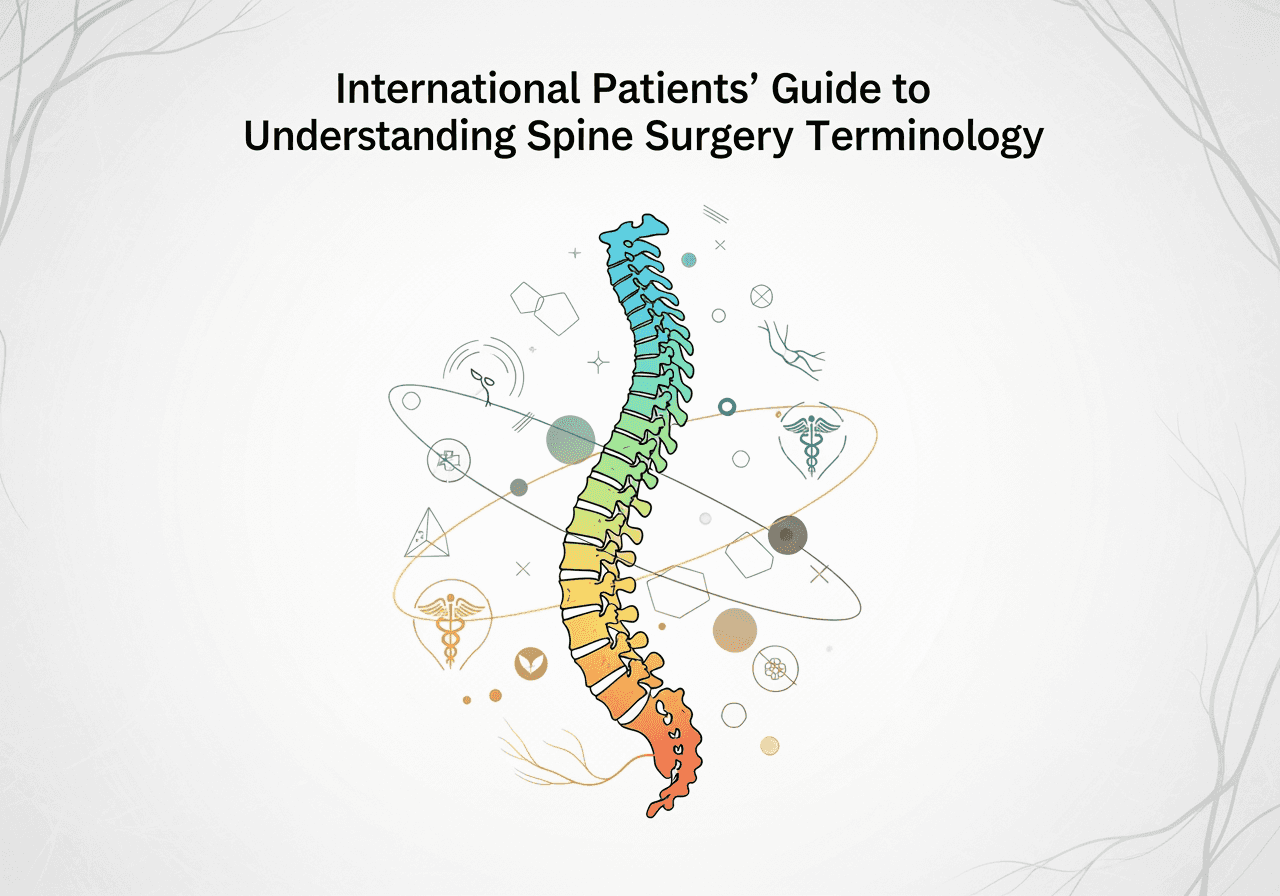
International Patients' Guide to Understanding Spine Surgery Terminology
06 Dec, 2025
 Healthtrip
- < li>Decoding Spine Surgery: Essential Terminology for International Patients
- Understanding Common Spine Conditions: A Glossary for Informed Decisions < li>Navigating Diagnostic Procedures: Key Terms and What to Expect at Hospitals like Quironsalud Hospital Murcia or Bangkok Hospital
- Spine Surgery Techniques Explained: A Comprehensive Guide to Procedures at Facilities like Memorial Sisli Hospital or Fortis Memorial Research Institute, Gurgaon
- Post-Operative Care & Rehabilitation: Key Terms and Recovery Insights at Hospitals like Vejthani Hospital or Thumbay Hospital
- Insurance and Billing Terminology: A Guide for International Patients at Hospitals like Saudi German Hospital Cairo, Egypt or Helios Klinikum Erfurt < li>Conclusion: Empowering International Patients with Spine Surgery Knowledge
Common Spinal Conditions
Understanding the type of spinal condition you're facing is crucial for navigating treatment options. Spinal stenosis, for instance, refers to the narrowing of the spinal canal, which can put pressure on the spinal cord and nerves, leading to pain, numbness, and weakness. Imagine your spinal canal as a highway, and stenosis like a traffic jam, hindering the smooth flow of communication between your brain and body. Herniated discs, another common issue, occur when the soft, gel-like center of a spinal disc pushes through a crack in the outer layer, irritating nearby nerves. Think of it as a jelly donut where the filling is squeezing out – not a pleasant experience for your nerves. Spondylolisthesis involves one vertebra slipping forward over another, potentially causing pain and instability. Scoliosis, often diagnosed in adolescence, refers to an abnormal curvature of the spine, which can range from mild to severe. These conditions might lead you to explore options at facilities like Quironsalud Hospital Murcia or perhaps seek a consultation from doctors affiliated with Healthtrip, ensuring you receive the best possible care tailored to your specific needs.
Most popular procedures in India

Diagnostic Procedures
Before any treatment can begin, accurately diagnosing your spinal condition is essential. This typically involves a combination of physical examinations and imaging techniques. Magnetic Resonance Imaging (MRI) is a powerful tool that uses magnetic fields and radio waves to create detailed images of your spine, allowing doctors to visualize soft tissues like discs and nerves. Think of it as a high-resolution photograph of your spine's inner workings. Computed Tomography (CT) scans use X-rays to create cross-sectional images of your spine, providing a clear view of bony structures. It's like slicing through a loaf of bread to see the layers within. Electromyography (EMG) measures the electrical activity of your muscles and nerves, helping to identify nerve damage or compression. Nerve conduction studies are often performed alongside EMG to assess how quickly electrical signals travel along your nerves. These diagnostic procedures, available at hospitals like Saudi German Hospital Cairo or potentially coordinated through Healthtrip’s network, help your medical team pinpoint the source of your pain and determine the most appropriate course of action, whether it's conservative management or surgical intervention. Understanding these tests can ease anxiety about what to expect, as you prepare for a seamless assessment.
Surgical Procedures: An Overview
Depending on the nature and severity of your spinal condition, surgery might be recommended to alleviate pain and restore function. Laminectomy involves removing a portion of the vertebral bone called the lamina to create more space for the spinal cord and nerves, relieving pressure and easing discomfort. Spinal fusion, another common procedure, joins two or more vertebrae together to stabilize the spine and reduce pain. Imagine it as building a bridge between two unstable structures. Discectomy involves removing a damaged or herniated disc to relieve pressure on the nerves. Minimally Invasive Spine Surgery (MISS) utilizes smaller incisions and specialized instruments to minimize tissue damage, potentially leading to faster recovery times. Procedures like these are performed at facilities such as Fortis Memorial Research Institute, Gurgaon, and LIV Hospital, Istanbul, both internationally recognized for their advanced spinal care. Before considering any surgical option, it is crucial to discuss the potential benefits, risks, and recovery process with your surgeon, ensuring you have a clear understanding of what to expect and how Healthtrip can facilitate the process.

Wellness Treatments
Give yourself the time to relax
Lowest Prices Guaranteed!

Lowest Prices Guaranteed!
Key Surgical Terms Defined
Delving into the specifics of spinal surgery, several terms frequently crop up that are helpful to understand. Decompression, a broad term, refers to any procedure that aims to relieve pressure on the spinal cord or nerves. Instrumentation involves the use of implants, such as screws, rods, and plates, to stabilize the spine during and after surgery, providing support during the healing process. Grafting refers to the use of bone grafts (either from your own body or a donor) to promote fusion between vertebrae. Autograft involves using bone from your own body, while allograft utilizes bone from a donor. Revision surgery is performed to correct problems from a previous spinal surgery, addressing issues such as failed fusion or persistent pain. Understanding these terms empowers you to navigate conversations with your spinal surgeon at BNH Hospital in Bangkok, or perhaps connect you with experts through Healthtrip, ensuring that you are equipped with comprehensive knowledge to make well-informed choices. Knowing the language of spine surgery helps you advocate for the optimal treatment plan.
Post-operative Care and Rehabilitation
The journey doesn't end in the operating room. Post-operative care and rehabilitation are crucial for a successful recovery after spine surgery. Physical therapy plays a vital role in regaining strength, flexibility, and range of motion. Think of it as rebuilding your body's foundation after construction. Pain management techniques, including medication and alternative therapies, help control discomfort during the healing process. Activity modification involves gradually increasing your activity level while avoiding strenuous activities that could jeopardize your recovery. Regular follow-up appointments with your surgeon allow them to monitor your progress and address any concerns. Whether you've had surgery at NMC Royal Hospital, DIP, Dubai, or are returning home after treatment abroad coordinated by Healthtrip, adherence to your post-operative plan is key. With the right care and support, including potential telehealth consultations facilitated by Healthtrip, you can maximize your chances of a full and lasting recovery, returning to the activities you enjoy pain-free.
Decoding Spine Surgery: Essential Terminology for International Patients
Embarking on a journey that involves spine surgery can feel like navigating a labyrinth, especially when you're doing it in a foreign country. The medical jargon alone can be overwhelming, leaving you feeling lost and confused. But don't worry, Healthtrip is here to guide you through the maze. We believe that having a solid understanding of the basic terminology is the first step towards feeling empowered and confident about your treatment plan. Think of this as your personal phrasebook for spine surgery, a tool that will help you communicate effectively with your medical team and make informed decisions every step of the way - whether you're considering treatment at a renowned facility or a specialized clinic, knowing the language of spine surgery is crucial. From understanding the difference between "laminectomy" and "discectomy" to grasping the meaning of terms like "spinal fusion" and "vertebroplasty," we'll break down the complex terminology into bite-sized, easy-to-understand pieces. We'll also explore the importance of understanding the different types of spinal implants, such as cages, rods, and screws, and how they play a role in stabilizing the spine. This knowledge will not only help you comprehend your surgeon's explanations but also enable you to ask the right questions and actively participate in your care. After all, your health is your most valuable asset, and we're here to ensure you have the tools to protect it.
Common Spine Surgery Terms
Let's start with some fundamental terms. "Anterior" refers to the front of the body, while "posterior" refers to the back. "Lateral" means to the side. These directional terms are frequently used to describe the approach a surgeon takes during a procedure. For instance, an "anterior cervical discectomy and fusion" (ACDF) involves accessing the cervical spine (neck) from the front of the body. "Laminectomy" is a surgical procedure that removes a portion of the vertebral bone called the lamina. This is often done to relieve pressure on the spinal cord or nerves. "Discectomy," on the other hand, involves removing a damaged or herniated disc that is compressing a nerve root. "Spinal fusion" is a procedure that joins two or more vertebrae together, eliminating motion between them. This can help stabilize the spine and reduce pain. "Vertebroplasty" and "kyphoplasty" are minimally invasive procedures used to treat vertebral compression fractures, often caused by osteoporosis. Vertebroplasty involves injecting bone cement into the fractured vertebra to stabilize it, while kyphoplasty involves using a balloon to create space within the vertebra before injecting the cement. Understanding these basic terms will provide a solid foundation for understanding more complex concepts as you delve deeper into the world of spine surgery. Don't hesitate to ask your doctor to explain any term you don't understand – they're there to help! And remember, Healthtrip is always available to provide additional clarity and support.
Understanding Common Spine Conditions: A Glossary for Informed Decisions
Before even considering spine surgery, it's essential to grasp the nature of the condition affecting your spinal health. A clear diagnosis is the cornerstone of effective treatment, and understanding the specific terminology associated with your condition will empower you to have more meaningful conversations with your healthcare providers. Think of this as deciphering the language of your own body, enabling you to be an active participant in your healthcare journey. We'll break down some of the most common spine conditions, explaining their causes, symptoms, and how they're typically diagnosed. This knowledge will not only help you understand your doctor's explanations but also enable you to research treatment options and ask informed questions. Suppose you are considering treatment at Saudi German Hospital Cairo, Egypt, or seeking a second opinion through Healthtrip. In that case, having a firm understanding of your condition will make the process smoother and more productive. After all, knowledge is power, especially when it comes to your health.
Common Spinal Conditions Explained
Let's delve into some of the common culprits behind back pain and spinal issues. "Herniated disc" occurs when the soft, jelly-like center of a spinal disc pushes through a tear in the outer layer, often compressing nearby nerves. This can cause pain, numbness, and weakness in the back and legs (sciatica). "Spinal stenosis" refers to the narrowing of the spinal canal, the space that houses the spinal cord and nerves. This narrowing can put pressure on the spinal cord and nerves, leading to pain, numbness, and weakness in the legs and feet. "Spondylolisthesis" is a condition in which one vertebra slips forward over another. This can cause back pain, stiffness, and nerve compression. "Scoliosis" is a curvature of the spine that typically develops during adolescence. While mild scoliosis may not cause any problems, more severe cases can lead to pain, breathing difficulties, and other complications. "Osteoarthritis" is a degenerative joint disease that can affect the spine, leading to pain, stiffness, and reduced range of motion. Understanding these conditions and the terminology associated with them is crucial for making informed decisions about your treatment. For example, knowing that you have spinal stenosis versus a herniated disc will significantly affect the types of treatment your doctor recommends. At Healthtrip, we believe that patients should be active partners in their healthcare, and this starts with understanding your diagnosis.
Connecting Conditions to Treatment Options
Now, let's see how understanding your condition helps connect you to the appropriate treatment options. If you're diagnosed with a herniated disc, your doctor might initially recommend conservative treatments like physical therapy, pain medication, and lifestyle modifications. If those don't provide relief, minimally invasive procedures like a microdiscectomy might be considered. For spinal stenosis, treatment options range from pain management and physical therapy to laminectomy or spinal fusion, depending on the severity of the narrowing. Spondylolisthesis might be managed with bracing and physical therapy in milder cases, while more severe cases may require spinal fusion to stabilize the spine. Scoliosis treatment depends on the severity of the curvature and the patient's age. Bracing can be used to prevent the curve from worsening in growing children, while surgery may be recommended for more severe cases. Osteoarthritis of the spine can be managed with pain medication, physical therapy, and lifestyle modifications. In some cases, spinal injections or surgery may be necessary. By understanding your specific condition, you can better understand the rationale behind the recommended treatment options and ask informed questions about their risks and benefits. Whether you're seeking treatment options at Quironsalud Hospital Murcia or consulting with a specialist through Healthtrip, this knowledge will empower you to make the right decisions for your health. Remember, Healthtrip is here to connect you with the best medical expertise and provide you with the information you need to make informed choices.
Navigating Diagnostic Procedures: Key Terms and What to Expect at Hospitals like Quironsalud Hospital Murcia or Bangkok Hospital
Before any treatment plan can be developed, accurate diagnostic procedures are essential to pinpoint the source of your spinal issues. Navigating this stage can feel daunting if you're unfamiliar with the terminology and what to expect. Imagine going to a new city without a map – that's how it feels to face diagnostic tests without understanding their purpose or the language surrounding them. Healthtrip aims to be your map, guiding you through the world of spinal diagnostics so you can approach these procedures with confidence. We believe that knowing what's involved in each test, from MRIs to nerve conduction studies, will not only ease your anxiety but also enable you to better understand the results and participate in discussions about your care. Whether you're planning to undergo diagnostic procedures at Quironsalud Hospital Murcia or Bangkok Hospital, understanding the key terms and what to expect will make your experience smoother and more productive. Consider this your pre-flight checklist, ensuring you're prepared for every step of the diagnostic process. After all, a well-informed patient is an empowered patient, ready to take control of their health journey.
Understanding Common Diagnostic Tests
Let's decode the common diagnostic tests used to evaluate spinal conditions. "Magnetic Resonance Imaging" (MRI) is a non-invasive imaging technique that uses strong magnetic fields and radio waves to create detailed images of the spine. It's excellent for visualizing soft tissues like discs, ligaments, and nerves, making it useful for diagnosing herniated discs, spinal stenosis, and other conditions. "Computed Tomography" (CT) scan uses X-rays to create cross-sectional images of the spine. It's particularly helpful for visualizing bony structures, making it useful for diagnosing fractures, tumors, and other bone abnormalities. "X-rays" are a quick and easy way to visualize the bones of the spine. They can be useful for detecting fractures, dislocations, and other structural problems. "Electromyography" (EMG) and "Nerve Conduction Studies" (NCS) are used to evaluate the function of nerves and muscles. EMG involves inserting small needles into muscles to measure their electrical activity, while NCS involves stimulating nerves with small electrical impulses and measuring how quickly the signals travel. These tests can help diagnose nerve compression, nerve damage, and other neurological problems. "Discography" involves injecting a contrast dye into a spinal disc to see if it's causing pain. It's a more invasive test and is typically used when other imaging studies haven't provided a clear diagnosis. Understanding the purpose of each test will help you feel more comfortable and prepared when you undergo these procedures.
Preparing for Your Diagnostic Appointment
Knowing what to expect before, during, and after your diagnostic appointment can significantly reduce anxiety. Before an MRI, you'll typically be asked to remove any metal objects, such as jewelry, watches, and belts. You'll also need to inform the technician if you have any metal implants in your body, such as pacemakers or surgical clips. During the MRI, you'll lie on a table that slides into a narrow tube. The machine will make loud noises, so you may be offered earplugs or headphones. The test typically takes 30-60 minutes. For a CT scan, you'll lie on a table that slides into a donut-shaped machine. The machine will rotate around you as it takes images. The test is quick and painless, typically taking only a few minutes. Before an EMG and NCS, you should inform the technician if you're taking any blood thinners or have any bleeding disorders. During the EMG, you may feel a brief sting when the needles are inserted into your muscles. During the NCS, you may feel a tingling or tapping sensation when the nerves are stimulated. Understanding these details will help you feel more in control and reduce any surprises during your appointment. Healthtrip is dedicated to providing you with the information and support you need to navigate every stage of your healthcare journey, from diagnosis to treatment and recovery. Remember, don't hesitate to ask your doctor or Healthtrip's team any questions you have about the diagnostic procedures. Your comfort and understanding are our top priorities.
Also Read:
Spine Surgery Techniques Explained: A Comprehensive Guide to Procedures at Facilities like Memorial Sisli Hospital or Fortis Memorial Research Institute, Gurgaon
Choosing to undergo spine surgery is a significant decision, and understanding the various techniques available is crucial for making an informed choice. Different spinal conditions require different approaches, and the expertise of surgeons at world-class facilities like Memorial Sisli Hospital and Fortis Memorial Research Institute, Gurgaon, ensures that each patient receives a personalized treatment plan. Let's delve into some of the common and advanced spine surgery techniques available, keeping in mind that Healthtrip can help you connect with the best medical professionals and facilities for your specific needs. From minimally invasive options to more complex reconstructions, knowing the possibilities empowers you to take control of your spinal health journey. Remember, the goal is to alleviate pain, restore function, and improve your overall quality of life. The journey to a healthier spine starts with understanding your options and finding the right medical team to guide you.
Microdiscectomy
Microdiscectomy is a minimally invasive surgical procedure commonly performed to relieve the pain caused by a herniated disc pressing on a nerve root. Imagine a disc in your spine bulging out and irritating a nearby nerve – that's essentially what's happening. During a microdiscectomy, surgeons, often using advanced techniques honed at hospitals like Memorial Sisli Hospital, make a small incision and remove the portion of the herniated disc that's causing the nerve compression. The beauty of this procedure lies in its precision; the use of a microscope allows the surgeon to visualize the area with great clarity, minimizing damage to surrounding tissues. This translates to less post-operative pain, a shorter hospital stay, and a quicker return to your daily activities. It's like having a skilled craftsman carefully remove a splinter, leaving the rest of the wood untouched. For many patients, microdiscectomy offers a significant improvement in their quality of life, allowing them to get back to doing the things they love without the constant burden of back and leg pain. Healthtrip can guide you towards experienced surgeons trained in this specialized technique.
Laminectomy
Laminectomy is a surgical procedure that involves removing a portion of the lamina, which is the bony arch on the back of each vertebra. Think of the spinal canal as a tunnel through which your spinal cord and nerves travel. In some cases, this tunnel can become narrowed, a condition known as spinal stenosis, putting pressure on the nerves and causing pain, numbness, and weakness. A laminectomy widens this tunnel, relieving the pressure and alleviating these symptoms. The procedure can be performed using traditional open techniques or through minimally invasive approaches, depending on the extent of the stenosis and the surgeon's preference. Facilities like Fortis Memorial Research Institute, Gurgaon, are equipped with state-of-the-art technology to perform laminectomies with precision and care. While laminectomy can effectively relieve nerve compression, it's essential to understand the potential risks and benefits. Discussing your specific situation with a qualified spine surgeon is crucial for determining if laminectomy is the right option for you. Healthtrip simplifies the process of finding and connecting with these qualified professionals.
Spinal Fusion
Spinal fusion is a surgical technique that joins two or more vertebrae together, essentially creating a single, solid bone. This procedure is often performed to stabilize the spine, correct deformities, or relieve pain caused by conditions such as degenerative disc disease or spondylolisthesis. Picture two unstable blocks that are constantly rubbing against each other, causing friction and pain. Spinal fusion is like welding those blocks together to create a stable structure. The process typically involves using bone grafts, which can be taken from your own body (autograft) or from a donor (allograft), along with hardware such as screws and rods to hold the vertebrae in place while the bone fuses. Spinal fusion can be performed through various approaches, including anterior (from the front), posterior (from the back), or lateral (from the side), depending on the location of the problem and the surgeon's expertise. While spinal fusion can provide significant pain relief and stability, it's important to note that it can also limit spinal mobility at the fused segments. Centers like Memorial Sisli Hospital offer comprehensive evaluations to determine if spinal fusion is the most appropriate treatment option. Healthtrip ensures you have access to detailed information and expert consultations to make informed decisions.
Artificial Disc Replacement
Artificial disc replacement is an alternative to spinal fusion that aims to preserve spinal motion. Instead of fusing two vertebrae together, the damaged disc is replaced with an artificial disc that mimics the natural movement of the spine. Think of it like replacing a worn-out shock absorber in your car – it restores the smooth ride without sacrificing mobility. Artificial disc replacement is typically considered for patients with degenerative disc disease who have not responded to conservative treatments. The ideal candidate is someone with pain primarily originating from the disc itself, rather than from nerve compression or spinal instability. This procedure is technically demanding and requires a surgeon with specialized training and experience. Fortis Memorial Research Institute, Gurgaon, is known for its expertise in advanced spinal procedures, including artificial disc replacement. The benefits of artificial disc replacement include preserving spinal motion, reducing the risk of adjacent segment degeneration (where the segments above or below the fusion become problematic), and potentially allowing for a quicker return to activity. However, it's essential to weigh the potential risks and benefits carefully and discuss your individual case with a qualified spine surgeon. Let Healthtrip connect you to the right specialist for a comprehensive evaluation.
Minimally Invasive Spine Surgery (MISS)
Minimally Invasive Spine Surgery (MISS) encompasses a range of techniques that allow surgeons to perform spinal procedures through small incisions, often using specialized instruments and imaging guidance. The goal of MISS is to minimize tissue damage, reduce post-operative pain, and speed up recovery. Imagine performing surgery through a keyhole instead of making a large cut – that's the essence of MISS. These techniques can be used for a variety of spinal conditions, including herniated discs, spinal stenosis, and spinal fusion. Hospitals like Memorial Sisli Hospital are at the forefront of MISS, constantly refining and improving these techniques. Benefits of MISS include smaller scars, less blood loss, reduced risk of infection, shorter hospital stays, and a faster return to normal activities. However, not all patients are candidates for MISS, and the suitability of the procedure depends on the specific condition, the patient's anatomy, and the surgeon's expertise. It's crucial to discuss your options with a spine surgeon who is skilled in both traditional and minimally invasive techniques. Healthtrip provides a platform to explore the best options and connect with leading experts in MISS. Understanding the potential benefits and limitations of MISS is crucial to making an informed decision about your spinal care.
Also Read:
Post-Operative Care & Rehabilitation: Key Terms and Recovery Insights at Hospitals like Vejthani Hospital or Thumbay Hospital
Undergoing spine surgery is a significant step towards improving your quality of life, but the journey doesn't end in the operating room. Post-operative care and rehabilitation are crucial components of a successful recovery. Knowing what to expect and understanding the key terms involved can empower you to actively participate in your healing process. World-class facilities like Vejthani Hospital and Thumbay Hospital prioritize comprehensive post-operative care, ensuring patients receive the support and guidance they need to regain their strength, mobility, and independence. Think of it as building a strong foundation after constructing a new building. The surgery is the construction, and post-operative care is the foundation that ensures it stands tall and strong for years to come. Healthtrip recognizes the importance of this phase and provides resources to help you navigate the recovery process with confidence and ease.
Pain Management
Pain management is a critical aspect of post-operative care. After spine surgery, it's normal to experience some level of pain and discomfort, but effective pain management can help you stay comfortable and participate actively in your rehabilitation. Pain can be managed through a variety of methods, including medications (such as opioids and non-opioid pain relievers), nerve blocks, and alternative therapies like acupuncture and massage. Hospitals like Vejthani Hospital often employ a multidisciplinary approach to pain management, involving doctors, nurses, and pain specialists, ensuring that each patient receives a personalized pain management plan. It's important to communicate openly with your healthcare team about your pain levels so they can adjust your medication or treatment plan as needed. Uncontrolled pain can hinder your recovery and delay your return to normal activities. Healthtrip can help you find facilities that prioritize comprehensive pain management to ensure a smoother recovery process. Remember, managing pain effectively is not just about alleviating discomfort; it's about empowering you to actively participate in your rehabilitation and regain your quality of life.
Physical Therapy
Physical therapy plays a vital role in restoring strength, flexibility, and function after spine surgery. A physical therapist will work with you to develop a personalized exercise program tailored to your specific needs and goals. These exercises may include stretching, strengthening, range-of-motion exercises, and gait training. Think of physical therapy as retraining your body to move properly after surgery. It helps you rebuild muscle strength, improve coordination, and regain confidence in your movements. Hospitals like Thumbay Hospital have dedicated physical therapy departments with experienced therapists who specialize in post-operative spine rehabilitation. They will guide you through each exercise, ensuring that you are performing them correctly and safely. Physical therapy is not just about doing exercises; it's about learning how to move your body in a way that protects your spine and prevents future injuries. Healthtrip can connect you with facilities that offer comprehensive physical therapy programs to optimize your recovery and help you return to an active and fulfilling life.
Wound Care
Proper wound care is essential to prevent infection and promote healing after spine surgery. Your healthcare team will provide you with specific instructions on how to care for your incision, which may include keeping the area clean and dry, changing dressings regularly, and monitoring for signs of infection such as redness, swelling, or drainage. Think of your incision as a delicate flower that needs gentle care to bloom. Following your healthcare team's instructions carefully can significantly reduce the risk of complications. If you notice any signs of infection, it's important to contact your doctor immediately. Facilities like Vejthani Hospital provide detailed wound care instructions and follow-up appointments to ensure proper healing. Wound care is not just about preventing infection; it's about promoting optimal healing and minimizing scarring. Healthtrip can help you find facilities that prioritize patient education and provide comprehensive wound care services to ensure a smooth and successful recovery.
Activity Modification
Activity modification involves making changes to your daily activities to protect your spine and prevent re-injury during the recovery period. This may include avoiding heavy lifting, twisting, bending, and prolonged sitting or standing. Think of it as being mindful of your body and avoiding activities that could put unnecessary stress on your spine. Your healthcare team will provide you with specific guidelines on what activities to avoid and how to gradually increase your activity level as you recover. It's important to listen to your body and not push yourself too hard, too soon. Hospitals like Thumbay Hospital emphasize patient education on activity modification, empowering patients to take control of their recovery and prevent complications. Activity modification is not just about restricting your activities; it's about finding new ways to perform tasks that are safe and comfortable for your spine. Healthtrip can connect you with facilities that offer comprehensive education and support to help you navigate activity modification and regain your independence.
Assistive Devices
Assistive devices can provide support and stability during the recovery period after spine surgery. These devices may include walkers, canes, braces, and raised toilet seats. Think of assistive devices as temporary aids that help you regain your independence and mobility. They can provide extra support and stability, allowing you to move around safely and comfortably. Your healthcare team will determine which assistive devices are appropriate for you based on your individual needs and functional level. Hospitals like Vejthani Hospital provide access to a range of assistive devices and offer training on how to use them safely and effectively. Using assistive devices is not a sign of weakness; it's a smart way to protect your spine and prevent falls during the recovery period. Healthtrip can help you find facilities that offer comprehensive assistive device services to support your recovery and enhance your quality of life.
Also Read:
Insurance and Billing Terminology: A Guide for International Patients at Hospitals like Saudi German Hospital Cairo, Egypt or Helios Klinikum Erfurt
Navigating the world of medical insurance and billing can be daunting, especially when you're an international patient seeking spine surgery. Understanding the key terminology is crucial for avoiding unexpected costs and ensuring a smooth financial experience. Hospitals like Saudi German Hospital Cairo, Egypt, and Helios Klinikum Erfurt are experienced in assisting international patients with their insurance and billing needs. It's like deciphering a foreign language – once you understand the key terms, you can navigate the system with confidence. Healthtrip is committed to providing you with the resources and support you need to understand the financial aspects of your treatment, empowering you to make informed decisions and focus on your recovery.
Pre-authorization
Pre-authorization, also known as prior authorization or pre-certification, is a process where your insurance company reviews your planned medical treatment to determine if it's medically necessary and covered under your policy. It's like getting permission from your insurance company before you proceed with a major purchase. Obtaining pre-authorization is essential to avoid potential claim denials and unexpected out-of-pocket expenses. Hospitals like Saudi German Hospital Cairo, Egypt, often assist international patients with the pre-authorization process, working directly with insurance companies to obtain the necessary approvals. It's important to provide your insurance company with all the required information, including your diagnosis, treatment plan, and the estimated cost of the procedure. Healthtrip can help you understand the pre-authorization requirements for your specific insurance plan and the hospital you've chosen. Remember, obtaining pre-authorization is not a guarantee of payment, but it's a crucial step in ensuring a smooth claims process.
Deductible
A deductible is the amount of money you must pay out-of-pocket for covered medical expenses before your insurance company starts paying. It's like the initial payment you make before your insurance coverage kicks in. Your deductible amount will vary depending on your insurance plan. For example, if your deductible is $1,000, you will need to pay the first $1,000 of your medical expenses before your insurance company starts paying its share. Hospitals like Helios Klinikum Erfurt can provide you with an estimate of your expected costs, including the deductible amount. Understanding your deductible is important for budgeting your medical expenses. Healthtrip can help you understand the deductible provisions of your insurance plan and how it applies to your planned spine surgery. Keep in mind that some insurance plans have separate deductibles for different types of services, such as inpatient and outpatient care.
Co-insurance
Co-insurance is the percentage of covered medical expenses that you are responsible for paying after you have met your deductible. It's like sharing the cost of your medical care with your insurance company. For example, if your co-insurance is 20%, you will pay 20% of the covered expenses, and your insurance company will pay the remaining 80%. It's important to understand your co-insurance percentage, as it can significantly impact your out-of-pocket expenses. Hospitals like Saudi German Hospital Cairo, Egypt, can provide you with an estimate of your co-insurance responsibilities based on your insurance plan and the estimated cost of your treatment. Healthtrip can help you understand the co-insurance provisions of your insurance plan and how it applies to your planned spine surgery. Remember, co-insurance is typically calculated on the allowed amount, which is the amount your insurance company has agreed to pay for a particular service.
Out-of-Pocket Maximum
The out-of-pocket maximum is the maximum amount of money you will have to pay out-of-pocket for covered medical expenses in a given year. It's like a safety net that protects you from catastrophic medical expenses. Once you reach your out-of-pocket maximum, your insurance company will pay 100% of your covered medical expenses for the rest of the year. Hospitals like Helios Klinikum Erfurt can help you understand how your out-of-pocket maximum applies to your planned spine surgery and what your potential financial liability may be. It's important to keep track of your medical expenses and monitor your progress towards meeting your out-of-pocket maximum. Healthtrip can provide you with resources and support to help you navigate the complex world of medical insurance and billing. Remember, the out-of-pocket maximum typically includes your deductible, co-insurance, and co-payments.
Medical Tourism Insurance
Medical tourism insurance is a specialized type of insurance that covers medical expenses incurred while traveling abroad for treatment. It's like having travel insurance specifically designed for medical procedures. This type of insurance can cover a range of expenses, including medical treatment, travel, accommodation, and repatriation. If you are planning to travel internationally for spine surgery, medical tourism insurance can provide you with peace of mind and financial protection. Hospitals like Saudi German Hospital Cairo, Egypt, often work with medical tourism insurance providers to facilitate the claims process for international patients. It's important to carefully review the terms and conditions of your medical tourism insurance policy to understand what is covered and what is not. Healthtrip can help you find reputable medical tourism insurance providers and compare different policies to find the best coverage for your needs. Remember, medical tourism insurance is not a substitute for your primary health insurance, but it can provide valuable additional coverage while you are traveling abroad for treatment.
Conclusion: Empowering International Patients with Spine Surgery Knowledge
Embarking on a spine surgery journey as an international patient requires careful planning, diligent research, and a strong understanding of the medical landscape. By familiarizing yourself with the terminology, procedures, and post-operative care involved, you empower yourself to make informed decisions and actively participate in your treatment plan. Healthtrip is dedicated to bridging the gap between international patients and world-class medical facilities, providing you with the resources, support, and connections you need to navigate this complex process with confidence. From understanding surgical techniques at Memorial Sisli Hospital or Fortis Memorial Research Institute, Gurgaon, to grasping post-operative care at Vejthani Hospital or Thumbay Hospital, and navigating insurance and billing at Saudi German Hospital Cairo, Egypt, or Helios Klinikum Erfurt, knowledge is your greatest asset. Let Healthtrip be your trusted partner in this journey, ensuring you receive the best possible care and achieve a successful outcome. Your spinal health is an investment in your overall well-being, and with the right information and support, you can take control and reclaim your quality of life.
Related Blogs

Why Second Opinions Matter Before Eye Surgery Doctors Explain
Deep medical insights, treatment comparisons, safety standards, and technological updates

International Patients' Guide to Understanding Eye Surgery Terminology
Deep medical insights, treatment comparisons, safety standards, and technological updates

How Healthtrip Ensures Patient Safety During Eye Surgery Procedures
Deep medical insights, treatment comparisons, safety standards, and technological updates

Choosing Between Treatment Options for Eye Surgery
Deep medical insights, treatment comparisons, safety standards, and technological updates
How to Read Your Medical Reports Before Eye Surgery
Deep medical insights, treatment comparisons, safety standards, and technological updates

Breakthrough Medical Technologies Transforming Eye Surgery in India
Deep medical insights, treatment comparisons, safety standards, and technological updates