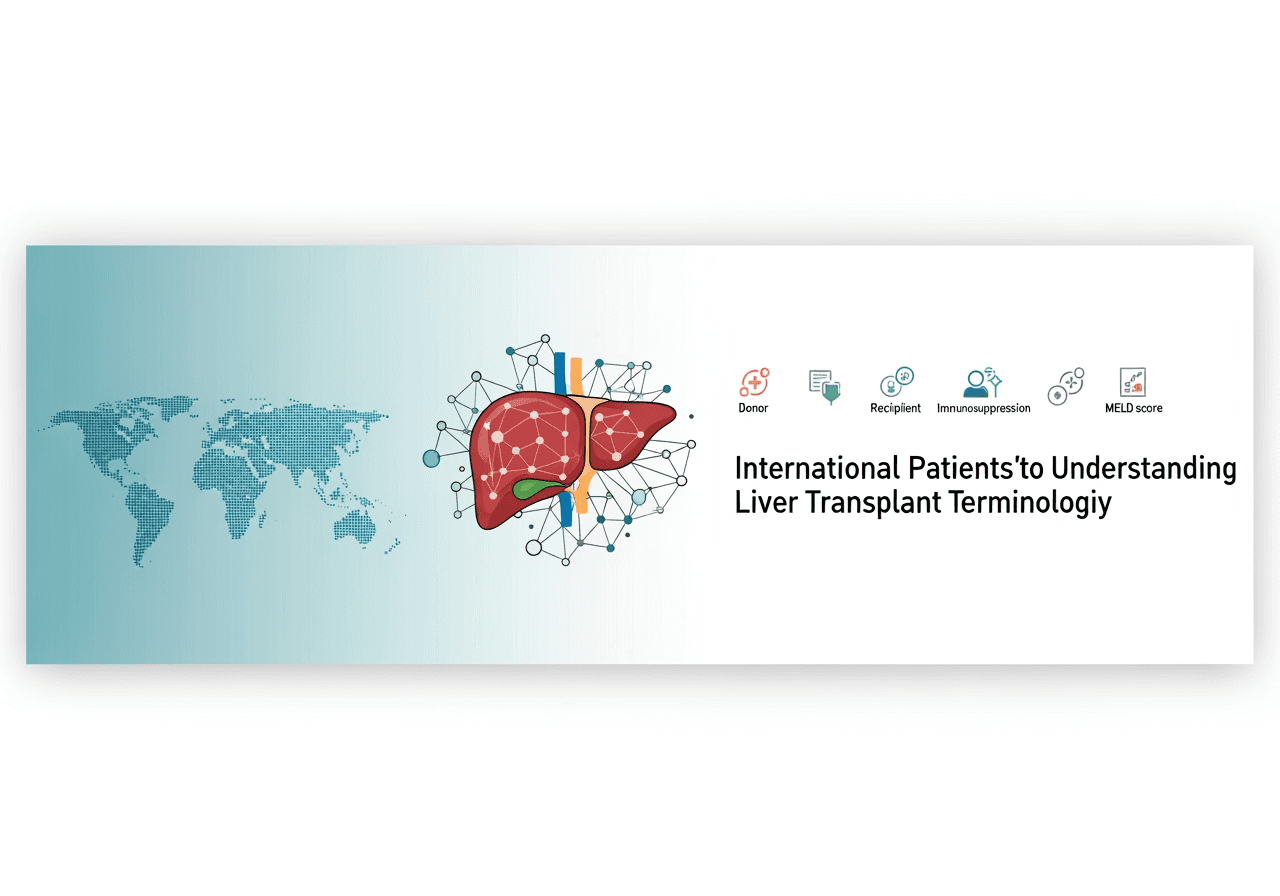
International Patients' Guide to Understanding Liver Transplant Terminology
07 Dec, 2025
 Healthtrip
- Who Needs a Liver Transplant? Understanding the Indications
- Where to Get a Liver Transplant: Exploring Hospitals and Centers
- Understanding Liver Transplant Financing and Insurance
- Pre-Transplant Terminology: A Comprehensive Guide
- Post-Transplant Terminology: Managing Recovery and Beyond
- Common Scenarios and Associated Medical Terms
- Conclusion: Empowering International Patients with Liver Transplant Knowledge
`Understanding Different Types of Liver Transplants`
`Liver transplantation is a surgical procedure that replaces a diseased or damaged liver with a healthy liver from another person. There are primarily two main types of liver transplants: deceased donor transplants and living donor transplants. A deceased donor transplant involves receiving a liver from someone who has recently passed away and whose family has consented to organ donation. This is often the most common type of liver transplant, but availability depends heavily on organ donation rates and matching criteria, which can vary significantly across countries. For example, if you're considering a deceased donor transplant, you might explore options at hospitals with robust transplant programs like Fortis Memorial Research Institute, Gurgaon, or Singapore General Hospital, where they have extensive experience managing the complexities of matching and post-transplant care. On the other hand, a living donor transplant involves receiving a portion of the liver from a healthy living person, often a family member or close friend. The liver has a remarkable ability to regenerate, allowing both the donor and recipient's livers to return to normal size and function within a few weeks. This option can significantly reduce waiting times and potentially improve outcomes. Hospitals like Memorial Bahçelievler Hospital in Istanbul have specialized programs for living donor transplants, offering comprehensive evaluations for both donors and recipients. Choosing the right type of transplant for you depends on various factors, including your medical condition, the availability of donor organs, and the preferences of your medical team.
Most popular procedures in India

`Deceased Donor Liver Transplant`
`A deceased donor liver transplant, sometimes referred to as a cadaveric transplant, involves receiving a liver from a donor who has been declared brain dead. This type of transplant is often the most common procedure, yet it hinges on the availability of suitable organs, making waiting times a crucial factor. The process begins with matching the donor's liver to a recipient based on blood type, body size, and the severity of the recipient's liver disease. Once a match is identified, the transplant team swiftly retrieves the liver and prepares it for implantation. For instance, if you're considering a deceased donor transplant in Thailand, Bangkok Hospital has a well-established transplant program with stringent protocols for organ procurement and preservation. The transplant surgery itself involves removing the diseased liver and carefully connecting the new liver to the recipient’s blood vessels and bile ducts. Post-operative care includes intensive monitoring to ensure the new liver functions correctly and to prevent rejection. Medications, primarily immunosuppressants, are crucial to suppressing the recipient's immune system and preventing it from attacking the new organ. Hospitals like the Jiménez Díaz Foundation University Hospital in Madrid have specialized intensive care units and experienced transplant teams that closely manage patients during this critical period. Understanding the intricacies of this procedure and the post-operative requirements is vital for international patients, and Healthtrip is here to help navigate the complexities of finding the right hospital and support system for your specific needs.
`Living Donor Liver Transplant`
`A living donor liver transplant offers a remarkable alternative to waiting for a deceased donor organ. This procedure involves surgically removing a portion of a healthy person's liver and transplanting it into the recipient. The liver's incredible regenerative ability allows both the donor and recipient's livers to regrow to their normal size and function within a few weeks. The donor must undergo thorough medical and psychological evaluations to ensure they are a suitable candidate and understand the risks involved. This type of transplant offers several advantages, including reduced waiting times, improved organ quality, and the opportunity for planned surgeries, which can lead to better recipient outcomes. For example, at the Saudi German Hospital Cairo, Egypt, they have dedicated teams that specialize in living donor liver transplants, providing comprehensive pre-operative assessments and post-operative care for both donors and recipients. The surgery itself is complex, requiring meticulous precision to ensure proper blood flow and bile duct connections. Post-transplant care involves careful monitoring to prevent complications such as bleeding, infection, and rejection. Hospitals like the LIV Hospital, Istanbul, are renowned for their expertise in living donor liver transplants, offering cutting-edge surgical techniques and advanced immunosuppression protocols. This can be a huge relief to patients on Healthtrip who may be seeking to speed up this process.

Wellness Treatments
Give yourself the time to relax
Lowest Prices Guaranteed!

Lowest Prices Guaranteed!
`Key Medical Terms Explained`
`Navigating the medical landscape of a liver transplant requires familiarity with specific terms that healthcare professionals frequently use. Understanding these terms can empower you to participate actively in your care and make informed decisions. For instance, "immunosuppressants" are medications that suppress the immune system to prevent it from rejecting the transplanted liver. These drugs are essential for the long-term success of the transplant, but they also come with potential side effects that need careful management. "Rejection" refers to the process where the recipient's immune system attacks the new liver, which can lead to liver damage or failure if not promptly treated. "Graft" is the term used to describe the transplanted liver itself. "MELD score" (Model for End-Stage Liver Disease) is a scoring system used to assess the severity of chronic liver disease and prioritize patients on the waiting list for a deceased donor transplant. Knowing your MELD score can help you understand your position on the list and the urgency of your situation. "Ascites" is the accumulation of fluid in the abdominal cavity, often caused by liver disease, and "encephalopathy" refers to changes in brain function due to the liver's inability to remove toxins from the blood. Healthtrip aims to bridge the gap in medical understanding, allowing international patients to navigate their treatments with greater confidence. We also partner with facilities such as the Quironsalud Hospital Murcia, which provide language assistance services for international patients to better understand these complex terms.
`Immunosuppressants`
`Immunosuppressants are a cornerstone of post-transplant care, playing a vital role in preventing the recipient's immune system from attacking the new liver. These medications work by suppressing the activity of immune cells that would otherwise recognize the transplanted organ as foreign and trigger an immune response. While immunosuppressants are crucial for preventing rejection, they also weaken the immune system, increasing the risk of infections and other complications. The most common types of immunosuppressants used in liver transplant include calcineurin inhibitors (such as tacrolimus and cyclosporine), corticosteroids (such as prednisone), and antimetabolites (such as azathioprine and mycophenolate mofetil). Each of these medications has its own set of potential side effects, which can range from mild discomfort to more serious health issues. Regular monitoring of blood levels and kidney function is essential to minimize these risks and ensure the medications are working effectively. For instance, if you choose to undergo a transplant at Mount Elizabeth Hospital in Singapore, their transplant team will closely monitor your immunosuppressant levels and adjust your medication regimen as needed. Patients may also be prescribed prophylactic medications to prevent infections, such as antibiotics or antiviral drugs. The long-term management of immunosuppressants requires ongoing communication and collaboration with your transplant team to optimize your health and prevent complications. Healthtrip can assist you in finding hospitals with comprehensive post-transplant care programs and experienced healthcare professionals who can guide you through this crucial phase of your recovery.
`Rejection`
`Rejection is a significant concern following a liver transplant, occurring when the recipient's immune system identifies the new liver as foreign and launches an attack. This immune response can damage the transplanted liver, potentially leading to graft failure if not promptly treated. There are two main types of rejection: acute rejection and chronic rejection. Acute rejection typically occurs within the first few months after the transplant and is often treatable with adjustments to the immunosuppressant regimen. Symptoms of acute rejection can include fever, abdominal pain, jaundice (yellowing of the skin and eyes), and abnormal liver function tests. Prompt reporting of any unusual symptoms to your transplant team is crucial for early detection and intervention. Chronic rejection, also known as vanishing bile duct syndrome, develops gradually over months or years and is more challenging to treat. It involves progressive damage to the bile ducts within the liver, leading to impaired liver function. Regular liver biopsies are often performed to monitor for signs of rejection and assess the health of the transplanted liver. Hospitals such as the Helios Klinikum Erfurt in Germany have specialized diagnostic facilities and experienced pathologists who can accurately detect and classify rejection. Treatment for rejection may involve increasing the dose of immunosuppressants, adding new immunosuppressant medications, or, in severe cases, re-transplantation. Understanding the signs and symptoms of rejection and maintaining close communication with your transplant team are essential for ensuring the long-term success of your liver transplant. Healthtrip can help you connect with hospitals that prioritize comprehensive monitoring and proactive management of rejection.
`Pre-Transplant Evaluation Terms`
`Before undergoing a liver transplant, potential recipients must undergo a comprehensive pre-transplant evaluation to assess their overall health and determine their suitability for the procedure. This evaluation typically involves a thorough medical history review, physical examination, and a series of diagnostic tests. One important term you'll encounter is "liver biopsy," which involves taking a small sample of liver tissue for examination under a microscope. This helps determine the extent of liver damage and identify any underlying conditions. "Doppler ultrasound" is a non-invasive imaging technique that assesses blood flow in the liver and surrounding blood vessels. "CT scan" and "MRI" are also commonly used to visualize the liver and identify any abnormalities, such as tumors or structural problems. In addition, you might hear the term "psychosocial evaluation," which involves assessing your emotional and psychological readiness for the transplant and your ability to adhere to the complex post-transplant care regimen. This is a vital step to ensure you have the support system and coping mechanisms necessary for a successful outcome. For instance, hospitals like Taoufik Hospitals Group, Tunisia, provide extensive pre-transplant evaluations, including access to psychologists and social workers who can help you navigate the emotional challenges of the transplant process. "Cardiopulmonary evaluation" assesses the health of your heart and lungs to ensure you can tolerate the surgery and post-operative recovery. Understanding these pre-transplant evaluation terms can help you feel more prepared and less anxious as you navigate the initial stages of your liver transplant journey. Healthtrip is dedicated to providing you with the information and resources you need to make informed decisions. For example, you might consider seeking a second opinion from Fortis Hospital, Noida, to compare their pre-transplant protocols.
`MELD Score`
`The MELD (Model for End-Stage Liver Disease) score is a numerical scale used to assess the severity of chronic liver disease and prioritize patients on the waiting list for a deceased donor liver transplant. It's a crucial term to understand as it directly impacts your position and urgency on the transplant list. The MELD score is calculated using a formula that incorporates three blood test results: bilirubin (a measure of how well the liver is clearing bile), creatinine (a measure of kidney function), and INR (International Normalized Ratio, a measure of blood clotting ability). The higher the MELD score, the more severe the liver disease and the higher the priority for transplant. For example, a MELD score above 20 indicates a critical stage of liver disease, while a score below 10 suggests less severe but still significant liver impairment. Regular monitoring of your MELD score is essential, as it can fluctuate depending on the progression of your liver disease. If your MELD score increases significantly, it's important to discuss treatment options with your healthcare team, including the possibility of expedited transplant evaluation. Some hospitals, like the NMC Royal Hospital Sharjah, have established protocols for managing patients with high MELD scores, ensuring they receive timely and appropriate care. The MELD score is just one factor considered when determining transplant eligibility, but it plays a significant role in the allocation of deceased donor livers. Understanding your MELD score and how it influences your transplant prospects can empower you to take proactive steps to manage your health and advocate for your needs. Healthtrip can assist you in finding centers of medical excellence that specialize in liver disease management and transplant evaluation. You might consider options such as Yanhee International Hospital, where comprehensive assessments are performed to determine the best course of action.
`Child-Pugh Score`
`The Child-Pugh score is another scoring system used to assess the severity of chronic liver disease, though it's gradually being replaced by the MELD score in many transplant centers. Nevertheless, it's still relevant and you may encounter it during your evaluation. Unlike the MELD score, which relies solely on lab values, the Child-Pugh score incorporates both lab results and clinical assessments. It considers five factors: bilirubin, albumin (a protein produced by the liver), ascites (fluid accumulation in the abdomen), encephalopathy (brain dysfunction due to liver disease), and prothrombin time (a measure of blood clotting ability). Each factor is assigned a score of 1, 2, or 3, with higher scores indicating more severe liver disease. The total Child-Pugh score ranges from 5 to 15, and patients are classified into three categories: Class A (mild liver disease), Class B (moderate liver disease), and Class C (severe liver disease). While the MELD score is primarily used for prioritizing patients on the deceased donor list, the Child-Pugh score can provide valuable information about the overall severity of your liver disease and guide treatment decisions. For instance, hospitals like the Cleveland Clinic London, may use the Child-Pugh score in conjunction with other assessments to determine the best course of action for your specific situation. It is helpful to remember that the Child-Pugh score is more subjective than the MELD score, as it relies partly on clinical assessments. As you navigate your pre-transplant evaluation, understanding both the MELD and Child-Pugh scores can give you a more comprehensive picture of your liver health and transplant prospects. Healthtrip is committed to providing you with the resources and information you need to make informed choices throughout your transplant journey. You may also want to consult with doctors at Max Healthcare Saket for a better idea of these scores.
`Post-Transplant Care Terminology`
`After undergoing a liver transplant, understanding the terminology related to post-transplant care is essential for a successful recovery. "Graft dysfunction" refers to the failure of the transplanted liver to function properly, which can occur due to various reasons, including rejection, infection, or blood clots. "Biliary complications" involve problems with the bile ducts, such as leaks, strictures (narrowing), or blockages, which can impair bile flow and lead to liver damage. "Infection prophylaxis" involves taking medications to prevent infections, as immunosuppressants weaken the immune system and increase the risk of opportunistic infections. "Hepatitis recurrence" refers to the return of the original liver disease, such as hepatitis C or B, in the transplanted liver. "Adherence" refers to consistently following the prescribed medication regimen and lifestyle recommendations, which is crucial for long-term success. Hospitals like Quironsalud Hospital Toledo in Spain provide comprehensive post-transplant care programs designed to address these potential complications and promote long-term graft survival. These programs typically involve regular monitoring of liver function, medication management, and lifestyle counseling. "Quality of life" is a term that reflects your overall well-being and satisfaction with life after transplant, which is often improved with a functioning new liver. Healthtrip emphasizes the importance of post-transplant care and can assist you in finding hospitals with experienced transplant teams and comprehensive follow-up programs. For example, you may wish to consider the post-operative care facilities at Hisar Intercontinental Hospital in Turkey.
`Graft Dysfunction`
`Graft dysfunction is a serious complication that can occur after a liver transplant, referring to the failure of the transplanted liver to function adequately. It's essential to understand this term as it signifies a potential threat to the success of the procedure. Graft dysfunction can manifest in various ways, including elevated liver enzymes, jaundice, poor bile production, and impaired blood clotting ability. There are several potential causes of graft dysfunction, including rejection, ischemia (reduced blood flow to the liver), infection, biliary complications, and recurrence of the original liver disease. Early detection and prompt treatment are crucial to improve the chances of graft recovery. Diagnostic tests, such as liver biopsies, Doppler ultrasounds, and CT scans, are often used to determine the cause of graft dysfunction. For instance, if you experience symptoms of graft dysfunction after your transplant at Vejthani Hospital in Bangkok, their transplant team will conduct a thorough evaluation to identify the underlying problem. Treatment options may include adjusting immunosuppressant medications, administering antiviral or antibacterial drugs, performing endoscopic procedures to address biliary complications, or, in severe cases, re-transplantation. Patients will also want to observe symptoms such as fever, abdominal pain, and yellowing eyes. Regular monitoring of liver function and close communication with your transplant team are essential for detecting and managing graft dysfunction. Healthtrip can connect you with transplant centers that offer comprehensive post-transplant care and have expertise in managing complex complications, such as graft dysfunction. You may want to consult with the transplant team at Pantai Hospital Kuala Lumpur, Malaysia, for a second opinion on managing this condition.
`Biliary Complications`
`Biliary complications are a significant concern after liver transplantation, involving problems with the bile ducts that can impair bile flow and lead to liver damage. Bile ducts are essential for transporting bile, a fluid produced by the liver that aids in digestion. Complications can include leaks (bile leaking from the ducts), strictures (narrowing of the ducts), or blockages (obstructions that prevent bile flow). These complications can arise from surgical issues, inflammation, or ischemia during the transplant procedure. Symptoms of biliary complications can include abdominal pain, jaundice, fever, and elevated liver enzymes. Early detection and treatment are crucial to prevent further liver damage and graft failure. Diagnostic tests, such as endoscopic retrograde cholangiopancreatography (ERCP), are often used to visualize the bile ducts and identify any abnormalities. ERCP involves inserting a flexible tube with a camera and X-ray capabilities into the bile ducts. Hospitals such as the Saudi German Hospital Alexandria, Egypt, have advanced endoscopy units and experienced gastroenterologists who specialize in diagnosing and treating biliary complications. Treatment options may include endoscopic procedures to dilate strictures, place stents to keep the ducts open, or surgically repair leaks. In some cases, re-transplantation may be necessary. Regular follow-up appointments and monitoring of liver function are essential for detecting and managing biliary complications. Healthtrip can assist you in finding transplant centers with expertise in managing these complications and providing comprehensive post-transplant care. Make sure to find a center that provides all facilities required in case of complications. A second opinion can be sought at Singapore General Hospital.
Who Needs a Liver Transplant? Understanding the Indications
Imagine your liver, that unsung hero tirelessly working behind the scenes, processing nutrients, filtering toxins, and keeping your body humming. Now, imagine that hero is struggling, weakened by disease, and unable to perform its vital functions. That's when a liver transplant might become a life-saving option. But who exactly needs a liver transplant? It's not a decision taken lightly, and it's reserved for individuals whose livers are so severely damaged that they can no longer sustain life. Several conditions can lead to this critical point, including chronic liver diseases like cirrhosis (often caused by excessive alcohol consumption or hepatitis), autoimmune diseases such as primary biliary cholangitis and autoimmune hepatitis, genetic conditions like Wilson's disease and hemochromatosis, and sudden liver failure, also known as acute liver failure. Acute liver failure can be triggered by viral infections, drug overdoses (especially acetaminophen), or exposure to toxins. The decision to pursue a liver transplant is complex and involves a thorough evaluation by a team of medical specialists. They assess the severity of the liver disease, the patient's overall health, and their likelihood of surviving without a transplant versus the risks and benefits of undergoing the procedure. It's not just about having a failing liver; it's about determining whether a transplant offers the best chance for long-term survival and improved quality of life. Healthtrip understands the emotional and logistical challenges involved in considering a liver transplant, and we're here to provide support and guidance every step of the way.
Cirrhosis and Chronic Liver Diseases: When the Liver Scars Over
Cirrhosis, a condition where healthy liver tissue is replaced by scar tissue, is a leading cause of liver failure and often necessitates a liver transplant. Think of your liver as a sponge; cirrhosis makes it hard and inflexible, like a dried-out, brittle sponge. Excessive alcohol consumption, chronic viral hepatitis (B or C), non-alcoholic fatty liver disease (NAFLD), and autoimmune diseases can all lead to cirrhosis. As the scarring progresses, the liver struggles to perform its essential functions, leading to complications like ascites (fluid buildup in the abdomen), jaundice (yellowing of the skin and eyes), encephalopathy (brain dysfunction due to toxin buildup), and variceal bleeding (enlarged veins in the esophagus that can rupture and bleed). When these complications become unmanageable with medication and other treatments, and the liver's function is severely compromised, a liver transplant may be the only viable option for survival. The Model for End-Stage Liver Disease (MELD) score is often used to assess the severity of cirrhosis and prioritize patients on the transplant waiting list. This score considers factors like bilirubin levels, creatinine levels, and INR (a measure of blood clotting ability) to determine the urgency of the transplant. Healthtrip can connect you with leading hepatologists and transplant centers to accurately assess your condition and determine the best course of action, whether it's managing your cirrhosis or exploring the possibility of a liver transplant.
Acute Liver Failure: A Sudden and Severe Crisis
Unlike chronic liver diseases that develop gradually over time, acute liver failure strikes suddenly and can be life-threatening within days or weeks. Imagine your liver working perfectly fine one day, and then, almost overnight, it shuts down. This rapid deterioration can be triggered by various factors, including viral infections (like hepatitis A or B), drug-induced liver injury (especially from acetaminophen overdose), certain herbal remedies, and autoimmune disorders. In acute liver failure, the liver loses its ability to filter toxins, leading to a rapid buildup of harmful substances in the bloodstream that can affect the brain, kidneys, and other organs. Symptoms can include jaundice, confusion, bleeding disorders, and coma. Because of the rapid progression and severity of acute liver failure, a liver transplant may be the only chance for survival. Time is of the essence, and patients often require immediate evaluation and potential listing for emergency liver transplantation. The severity of acute liver failure is often assessed using criteria like King's College Criteria, which considers factors like the cause of liver failure, bilirubin levels, INR, and presence of encephalopathy. Navigating the complexities of acute liver failure and the urgent need for a liver transplant can be overwhelming. Healthtrip can provide immediate support and connect you with hospitals equipped to handle these critical situations, such as Fortis Shalimar Bagh or Max Healthcare Saket in India, known for their expertise in liver transplantation.
Where to Get a Liver Transplant: Exploring Hospitals and Centers
Choosing where to undergo a liver transplant is a critical decision that significantly impacts the outcome and overall experience. It's not just about the location; it's about finding a center with a proven track record of success, a highly skilled transplant team, and comprehensive pre- and post-transplant care. Factors to consider include the hospital's experience with liver transplants, the survival rates of transplant recipients, the availability of advanced technology and resources, the expertise of the surgeons and hepatologists, and the level of support services offered to patients and their families. Many leading hospitals around the world specialize in liver transplantation, each with its unique strengths and areas of expertise. In India, hospitals like Fortis Memorial Research Institute, Gurgaon and Max Healthcare Saket in Delhi are renowned for their comprehensive liver transplant programs, offering advanced surgical techniques and excellent patient care. In Turkey, Memorial Sisli Hospital and LIV Hospital, Istanbul are recognized for their experienced transplant teams and state-of-the-art facilities. In Thailand, Bangkok Hospital and Vejthani Hospital are popular choices for international patients seeking high-quality care at relatively affordable prices. In Spain, Quironsalud Hospital Murcia offers advanced transplant services with a focus on patient-centric care. Healthtrip can help you navigate this complex landscape by providing detailed information on various transplant centers, comparing their services and outcomes, and connecting you with the best options based on your individual needs and preferences. We understand that traveling abroad for a liver transplant can be daunting, and we're here to assist with every aspect of your journey, from visa assistance and accommodation to language translation and post-operative care planning.
Evaluating Transplant Centers: Key Factors to Consider
When evaluating potential liver transplant centers, it's essential to look beyond glossy brochures and impressive websites. Delve deeper into the data and ask the right questions to make an informed decision. One of the most important factors to consider is the center's experience with liver transplants. How many transplants do they perform each year? What are their survival rates for transplant recipients at one year, five years, and ten years? These statistics provide valuable insights into the center's expertise and track record. Look for centers that perform a high volume of transplants, as this often indicates greater experience and proficiency. It's also crucial to assess the qualifications and experience of the transplant team, including the surgeons, hepatologists, nurses, and other specialists involved in your care. Are they board-certified? Do they have specialized training in liver transplantation? What is their approach to patient care? The availability of advanced technology and resources is another important consideration. Does the center have state-of-the-art operating rooms and intensive care units? Do they offer advanced diagnostic imaging and laboratory services? Do they have experience with living donor liver transplantation and other innovative techniques? Finally, consider the level of support services offered to patients and their families. Does the center provide pre-transplant counseling and education? Do they offer post-transplant rehabilitation and support groups? Do they have resources available to help with financial and logistical challenges? Healthtrip can provide you with a comprehensive checklist to help you evaluate transplant centers effectively, ensuring you choose the right center for your unique needs. We can also assist with arranging consultations with leading transplant specialists to address your specific concerns and questions. For example, you might consider centers like Mount Elizabeth Hospital in Singapore or Cleveland Clinic London, known for their comprehensive and patient-focused approach.
Regional Options: Finding the Best Care Close to Home
While traveling abroad for a liver transplant can offer access to world-renowned centers and potentially lower costs, it's also important to explore regional options and consider the benefits of receiving care closer to home. Proximity to family and friends can provide invaluable emotional support during a challenging time, reducing stress and promoting healing. Furthermore, local transplant centers may offer more convenient follow-up care and ongoing management of your health after the transplant. Depending on your location, several excellent regional transplant centers may be available. In the United States, many major academic medical centers have established liver transplant programs with strong reputations. In Europe, hospitals like Helios Klinikum Erfurt in Germany and Quironsalud Hospital Toledo in Spain are known for their expertise in liver transplantation. In the Middle East, Saudi German Hospital Cairo, Egypt, offers comprehensive transplant services. Healthtrip can help you identify reputable transplant centers in your region, compare their services and outcomes, and connect you with the best options based on your individual circumstances. We understand that navigating the healthcare system can be complex and confusing, and we're here to provide clear and concise information to empower you to make informed decisions. We can also assist with coordinating appointments, obtaining medical records, and arranging for second opinions from leading transplant specialists. Ultimately, the decision of where to undergo a liver transplant is a personal one that should be made in consultation with your healthcare team and loved ones. Healthtrip is committed to providing you with the resources and support you need to make the best possible choice for your health and well-being.
Understanding Liver Transplant Financing and Insurance
One of the most daunting aspects of considering a liver transplant, especially for international patients, is understanding the financial implications. The costs associated with a liver transplant can be substantial, encompassing everything from pre-transplant evaluations and the surgery itself to post-transplant medications and ongoing follow-up care. Navigating the complexities of insurance coverage, exploring financing options, and understanding the potential out-of-pocket expenses can feel overwhelming. However, with careful planning and access to the right resources, it's possible to manage the financial burden and make a liver transplant a viable option. Many factors influence the overall cost of a liver transplant, including the hospital's location, the complexity of the surgery, the length of the hospital stay, and the specific medications required. Costs can vary significantly from country to country, with some countries offering more affordable options than others. For example, undergoing a liver transplant in India or Thailand may be significantly less expensive than in the United States or Europe. Healthtrip can provide you with detailed cost estimates for liver transplants at various hospitals around the world, helping you to compare prices and make informed decisions. We can also assist you in exploring potential financing options, such as medical loans, crowdfunding campaigns, and charitable grants. Understanding your insurance coverage is crucial to minimizing your out-of-pocket expenses. Healthtrip can help you navigate the complexities of insurance policies and determine whether your insurance plan covers liver transplants, both domestically and internationally. We can also assist you in appealing denied claims and exploring alternative insurance options if necessary. Our goal is to empower you with the knowledge and resources you need to manage the financial aspects of your liver transplant journey, allowing you to focus on your health and recovery.
Insurance Coverage: Navigating the Complexities
Understanding your insurance coverage for a liver transplant can feel like navigating a maze. Policies vary widely in their coverage for organ transplantation, both domestically and internationally. Some policies may cover the entire cost of the transplant, while others may have significant limitations or exclusions. It's crucial to carefully review your insurance policy and understand the specific terms and conditions related to organ transplantation. Pay close attention to deductibles, co-pays, co-insurance, and any annual or lifetime limits. Some insurance plans may require pre-authorization for a liver transplant, meaning you need to obtain approval from the insurance company before undergoing the procedure. Failure to obtain pre-authorization could result in denial of coverage. If you are considering traveling abroad for a liver transplant, it's essential to determine whether your insurance policy covers medical expenses incurred outside of your home country. Some policies may offer international coverage, while others may not. Even if your policy offers international coverage, it may have restrictions on the types of hospitals or procedures that are covered. Healthtrip can assist you in navigating the complexities of insurance coverage by reviewing your policy, contacting your insurance company to clarify coverage details, and providing you with a clear understanding of your potential out-of-pocket expenses. We can also help you appeal denied claims and explore alternative insurance options if necessary. Our experienced team can guide you through the process of obtaining pre-authorization and ensuring that your insurance coverage is in place before you proceed with the transplant. We understand that dealing with insurance companies can be stressful and time-consuming, and we're here to alleviate that burden, allowing you to focus on your health and recovery. Hospitals like Fortis Hospital, Noida and NMC Specialty Hospital, Al Nahda, Dubai often work with international insurance providers.
Financing Options: Exploring Alternatives
Even with comprehensive insurance coverage, you may still face significant out-of-pocket expenses associated with a liver transplant. These expenses can include deductibles, co-pays, travel costs, accommodation, and post-transplant medications. Exploring alternative financing options can help you bridge the gap and make a liver transplant more affordable. Medical loans are a common financing option for individuals facing high medical expenses. These loans are specifically designed to cover healthcare costs and often offer favorable terms and interest rates. However, it's essential to carefully compare loan options from different lenders and understand the terms and conditions before applying. Crowdfunding campaigns have become increasingly popular as a way to raise money for medical expenses. Platforms like GoFundMe and Fundly allow you to create a fundraising page and solicit donations from friends, family, and the wider community. Sharing your story and appealing to people's generosity can be an effective way to raise funds for your liver transplant. Charitable grants are another potential source of financial assistance. Many organizations offer grants to individuals in need of financial assistance for medical expenses, including organ transplantation. Researching and applying for these grants can take time and effort, but it can be a worthwhile endeavor. Some transplant centers may also offer financial assistance programs or have partnerships with organizations that provide financial support to transplant patients. Healthtrip can provide you with information on various financing options, including medical loans, crowdfunding platforms, and charitable grants. We can also assist you in preparing your application materials and connecting you with potential funding sources. Our goal is to help you explore all available options and develop a financial plan that makes a liver transplant a realistic possibility. Remember, financial assistance may be available through organizations partnering with hospitals such as Vejthani Hospital or Quironsalud Hospital Murcia.
Also Read:
Pre-Transplant Terminology: A Comprehensive Guide
Embarking on a liver transplant journey involves navigating a sea of medical terms and procedures. Understanding the pre-transplant terminology is crucial for both patients and their families to actively participate in their care. It’s like learning a new language, but in this case, the stakes are incredibly high. Think of it as preparing for an important trip – you'd want to know all the essential phrases and customs, right? This section will serve as your phrasebook, demystifying the key terms you’ll encounter before the transplant. We'll start with "MELD score," which stands for Model for End-Stage Liver Disease. This score, calculated using bilirubin, creatinine, and INR levels, predicts the three-month survival rate of patients with chronic liver disease. A higher MELD score generally means a more severe liver condition and a higher priority on the transplant list. Then there's "Child-Pugh score," another scoring system used to assess the severity of chronic liver disease, considering factors like ascites, encephalopathy, and liver function tests. Understanding these scores helps you gauge the urgency of your situation and the factors influencing your placement on the waiting list. Speaking of the waiting list, "cadaveric donor" refers to a deceased individual who has donated their organs, while "living donor" refers to a living person who donates a portion of their liver. Each has its own set of considerations and procedures. "Immunosuppressants" are medications used to prevent the body from rejecting the new liver, and you'll hear about them frequently. Familiarizing yourself with these terms will empower you to ask informed questions and understand the rationale behind your treatment plan, making you a more active participant in your healthcare journey with facilities like Fortis Memorial Research Institute, Gurgaon and Max Healthcare Saket. Healthtrip is here to assist you in finding the best hospitals and specialists to guide you through this complex process.
Navigating the Pre-Transplant Evaluation
Before even being considered for a liver transplant, a thorough evaluation is necessary. This involves a series of tests and assessments to determine your overall health and suitability for the surgery. Imagine it as a comprehensive health MOT – making sure everything is in good working order before the big operation. One of the key terms here is "hepatocellular carcinoma" (HCC), which is a type of liver cancer. If HCC is present, specific criteria, known as the "Milan criteria," are often used to determine eligibility for transplant. These criteria consider the size and number of tumors. Beyond cancer, doctors will assess your "cardiopulmonary function" (heart and lung health) to ensure you can withstand the surgery and recovery. This might involve an electrocardiogram (ECG) and pulmonary function tests (PFTs). "Renal function" (kidney health) is also vital, as the kidneys often take a hit during liver failure. Blood tests and urine tests will be conducted to evaluate kidney function. Another critical aspect is a "psychosocial evaluation." This assessment evaluates your mental and emotional state, your support system, and your ability to adhere to the complex post-transplant medication regimen. Transplant centers, like Mount Elizabeth Hospital and Singapore General Hospital, want to ensure you have the necessary support to manage the lifelong commitment required after the transplant. It's not just about the surgery itself, but about setting you up for long-term success. The evaluation also includes screening for infections like hepatitis B and C, HIV, and tuberculosis, as these can significantly impact the transplant outcome. Understanding these terms and the purpose of each evaluation step will help you feel more prepared and less overwhelmed as you navigate the pre-transplant process. Healthtrip can connect you with leading transplant centers equipped to handle these evaluations with expertise and care.
Also Read:
Post-Transplant Terminology: Managing Recovery and Beyond
The liver transplant surgery is a significant milestone, but it's just the beginning of a new chapter. Understanding the post-transplant terminology is crucial for navigating the recovery process and maintaining long-term health. It's like learning the rules of a new game; you need to know the terminology to play effectively. One of the most important terms you'll encounter is "immunosuppression." These are medications, such as tacrolimus and cyclosporine, that suppress your immune system to prevent rejection of the new liver. "Rejection" itself is a key term, referring to the body's immune system attacking the transplanted organ. There are different types of rejection, including "acute rejection" (occurring within the first few months) and "chronic rejection" (developing over a longer period). Doctors at institutions like Memorial Sisli Hospital and LIV Hospital, Istanbul monitor for rejection through regular blood tests and, if necessary, a "liver biopsy." This procedure involves taking a small sample of liver tissue for examination under a microscope. Another important term is "opportunistic infections." Because immunosuppressants weaken the immune system, you're more susceptible to infections that wouldn't normally affect healthy individuals. These can include fungal infections, viral infections like cytomegalovirus (CMV), and Pneumocystis pneumonia (PCP). "Graft dysfunction" refers to any problem with the new liver's function, which can manifest as abnormal liver function tests. "Hepatic artery thrombosis" is a rare but serious complication involving a blood clot in the artery supplying blood to the liver. Understanding these terms will help you recognize potential problems early and communicate effectively with your medical team. Healthtrip can assist you in finding post-transplant care facilities and specialists who can provide ongoing monitoring and support.
Life After Transplant: Monitoring and Maintenance
Life after a liver transplant requires ongoing monitoring and adherence to a specific regimen to ensure the long-term success of the transplant. Think of it as maintaining a high-performance engine; regular check-ups and the right fuel are essential. "Liver function tests" (LFTs) are a routine part of post-transplant care, measuring levels of enzymes like ALT and AST, bilirubin, and albumin to assess liver health. Fluctuations in these levels can indicate rejection, infection, or other problems. "Trough levels" refer to the lowest concentration of immunosuppressant medication in your blood, typically measured just before your next dose. Maintaining appropriate trough levels is crucial to prevent rejection without causing excessive side effects. "Prophylaxis" refers to preventative measures taken to reduce the risk of infection. This might include antiviral medications to prevent CMV infection and antibiotics to prevent PCP. "Hepatotoxicity" refers to liver damage caused by medications or other substances. Some medications can be toxic to the liver, so it's important to discuss all medications, including over-the-counter drugs and herbal supplements, with your doctor. "Post-transplant lymphoproliferative disorder" (PTLD) is a rare complication involving the development of lymphoma (cancer of the lymphatic system) due to immunosuppression. Regular monitoring for PTLD is important. Transplant centers like Bangkok Hospital and Vejthani Hospital emphasize the importance of lifestyle modifications, including a healthy diet, regular exercise, and avoiding alcohol and tobacco. "Adherence" to the medication regimen and follow-up appointments is critical for long-term success. Understanding these terms and the importance of each monitoring step will empower you to take an active role in your post-transplant care. Healthtrip can help you access resources and support networks to navigate life after transplant with confidence.
Also Read:
Common Scenarios and Associated Medical Terms
Let's consider some common scenarios a liver transplant patient might encounter and the associated medical terms, to further solidify your understanding. Knowledge is truly power! Scenario 1: A patient experiences jaundice (yellowing of the skin and eyes) and elevated liver enzymes a few weeks after the transplant. The medical team suspects rejection. The associated terms here would be: "acute rejection," "liver biopsy" (to confirm the diagnosis), "immunosuppression" (adjustment of medication), and possibly "steroid pulse" (high-dose steroids to treat the rejection episode). Scenario 2: A patient develops a fever and persistent cough several months after the transplant. The medical team suspects an opportunistic infection. The relevant terms would include: "opportunistic infection," "CMV" (cytomegalovirus) or "PCP" (Pneumocystis pneumonia) if those specific infections are suspected, and "antiviral" or "antibiotic" medications, respectively. Diagnostic tests could include a chest X-ray and blood cultures. Scenario 3: A patient experiences swelling in the abdomen (ascites) and legs (edema) a year after the transplant. The medical team suspects graft dysfunction. Terms to understand would be: "graft dysfunction," "liver function tests" (to assess liver health), "ascites" (fluid accumulation in the abdomen), "edema" (swelling due to fluid retention), and potentially, "diuretics" (medications to reduce fluid retention). Further investigations may be needed to determine the cause of the graft dysfunction. Scenario 4: A patient has stable liver function but develops high blood pressure and kidney problems several years after the transplant. The medical team attributes this to the long-term effects of immunosuppressants. Key terms: "immunosuppression" (side effects), "hypertension" (high blood pressure), "renal insufficiency" (kidney problems), and potential adjustments to the immunosuppressant regimen to minimize these side effects. Being familiar with these scenarios and the related medical terms will enable you to better understand your condition, participate in discussions with your healthcare providers at facilities like Saudi German Hospital Cairo, Egypt and NMC Specialty Hospital, Al Nahda, Dubai and proactively manage your health. Healthtrip is dedicated to empowering you with the information and resources you need to navigate your liver transplant journey with confidence.
Breaking Down a Doctor's Report: What to Look For
Imagine you receive a doctor's report after a follow-up appointment. What should you be looking for? Understanding the key elements of a medical report can empower you to track your progress and identify any potential issues. First, focus on the "liver function tests" (LFTs). Look for the values of AST, ALT, bilirubin, and albumin. Are they within the normal range? Are they trending up or down compared to previous reports? Pay attention to the "immunosuppressant levels." Are your trough levels within the target range specified by your doctor? If not, this could indicate a need for medication adjustment. Look for any mention of "rejection." Has there been any evidence of rejection on a liver biopsy? If so, what treatment has been recommended? Check for any mention of "infection." Are there any signs of infection, such as elevated white blood cell count or positive cultures? What medications have been prescribed to treat the infection? Note any changes in your "medications." Have any new medications been added or discontinued? What are the potential side effects of these medications? Pay attention to any comments about your "overall health and well-being." Are you experiencing any new symptoms? Are you adhering to your medication regimen and lifestyle recommendations? If you have any questions or concerns about the report, don't hesitate to contact your doctor or transplant team at hospitals like Quironsalud Hospital Murcia and Fortis Hospital, Noida. Remember, you are an active partner in your healthcare, and understanding your medical reports is a crucial step in managing your health after a liver transplant. Healthtrip provides resources and support to help you navigate your medical journey and connect with the best healthcare professionals.
Conclusion: Empowering International Patients with Liver Transplant Knowledge
Navigating the world of liver transplants, especially as an international patient, can feel overwhelming. The medical terminology, the complex procedures, and the cultural differences can create a significant barrier to accessing the care you need. However, with the right knowledge and support, you can confidently embark on this journey. This comprehensive guide has aimed to demystify the key terms and concepts related to liver transplantation, empowering you to become an active participant in your own healthcare. Remember that understanding the MELD score, immunosuppression, and potential complications is crucial for making informed decisions and managing your expectations. As an international patient, you may face unique challenges, such as language barriers, unfamiliar healthcare systems, and logistical complexities. Healthtrip is here to bridge these gaps by providing personalized support, connecting you with reputable transplant centers like Jiménez Díaz Foundation University Hospital and Cleveland Clinic London, and assisting with travel arrangements, visa applications, and accommodation. We understand that seeking medical treatment abroad can be daunting, but we are committed to making the process as smooth and stress-free as possible. Whether you're looking for a transplant center in Turkey, India, Thailand, or any other destination, Healthtrip can help you find the best option based on your individual needs and preferences. Our goal is to empower you with the knowledge, resources, and support you need to navigate your liver transplant journey with confidence, ensuring the best possible outcome for your health and well-being. Embrace the journey, stay informed, and remember that you are not alone. Healthtrip is your trusted partner every step of the way.
Related Blogs

Why Second Opinions Matter Before Eye Surgery Doctors Explain
Deep medical insights, treatment comparisons, safety standards, and technological updates

International Patients' Guide to Understanding Eye Surgery Terminology
Deep medical insights, treatment comparisons, safety standards, and technological updates

How Healthtrip Ensures Patient Safety During Eye Surgery Procedures
Deep medical insights, treatment comparisons, safety standards, and technological updates

Choosing Between Treatment Options for Eye Surgery
Deep medical insights, treatment comparisons, safety standards, and technological updates

How to Read Your Medical Reports Before Eye Surgery
Deep medical insights, treatment comparisons, safety standards, and technological updates

Breakthrough Medical Technologies Transforming Eye Surgery in India
Deep medical insights, treatment comparisons, safety standards, and technological updates