
International Patients' Guide to Understanding Joint Replacement Terminology
06 Dec, 2025
 Healthtrip
- What is Joint Replacement and Common Terms?
- Why is Joint Replacement Necessary?
- Types of Joint Replacement Procedures
- Who is a Good Candidate for Joint Replacement?
- Where to Get Joint Replacement: Hospitals and Locations
- How to Prepare for Joint Replacement Surgery
- Post-Operative Care and Rehabilitation Terminology
- Conclusion
What is Joint Replacement and Common Terms?
Why is Joint Replacement Necessary?
Types of Joint Replacement Procedures
Who is a Good Candidate for Joint Replacement?
Where to Get Joint Replacement: Hospitals and Locations
Here are some hospitals that offer joint replacement:- Saudi German Hospital Alexandria, Egypt
- OCM Orthopädische Chirurgie München
- Fortis Escorts Heart Institute
- Fortis Shalimar Bagh
- Yanhee International Hospital
- Vejthani Hospital
- Taoufik Clinic, Tunisia
- Memorial Bahçelievler Hospital
- Memorial Sisli Hospital
- NMC Specialty Hospital, Al Nahda, Dubai
- Thumbay Hospital
- Saudi German Hospital Cairo, Egypt
- Helios Klinikum Erfurt
- Helios Emil von Behring
- Helios Klinikum München West
- Fortis Hospital, Noida
- Fortis Memorial Research Institute, Gurgaon
- Max Healthcare Saket
- Pantai Hospital Kuala Lumpur, Malaysia
- KPJ Ampang Puteri Specialist Hospital, Kuala Lumpur, Malaysia
- IERA Lisbon Assisted Reproduction Institute
- Dr. Hassan Al-Abdulla Medical Center
- Saudi German Hospital Al-Madinah Almonawara
- Saudi German Hospital Dammam
- Saudi German Hospital Hail
- Mount Elizabeth Hospital
- Singapore General Hospital
- National Cancer Centre Singapore
- Jiménez Díaz Foundation University Hospital
- Hospital Quirónsalud Cáceres
- Quironsalud Hospital Murcia
- Bangkok Hospital
- BNH Hospital
- CGH Hospital
- Taoufik Hospitals Group, Tunisia
- LIV Hospital, Istanbul
- Hisar Intercontinental Hospital
- NPISTANBUL Brain Hospital
- NMC Royal Hospital, DIP, Dubai
- NMC Royal Hospital Sharjah
- NMC Specialty Hospital, Abu Dhabi
- London Medical
- Cleveland Clinic London
- The Royal Marsden Private Care, London
How to Prepare for Joint Replacement Surgery
Post-Operative Care and Rehabilitation Terminology
Conclusion
Understanding the Basics: Key Terms Explained
Arthroplasty vs. Arthrodesis
Let's kick things off with two terms that often get mixed up: arthroplasty and arthrodesis. Arthroplasty refers to the surgical reconstruction or replacement of a joint. This is what we generally mean when we talk about joint replacement. The goal of arthroplasty is to relieve pain, restore range of motion, and improve overall function. Think of it as giving your worn-out joint a new lease on life. Now, arthrodesis, on the other hand, is a surgical procedure where the joint is fused together, eliminating movement. While this might sound a bit drastic, it's sometimes necessary when the joint is severely damaged or unstable. Imagine a bridge being permanently fixed in place – that's essentially what arthrodesis does for your joint. Understanding the distinction between these two procedures is essential when discussing treatment options with your orthopedic surgeon at places like Fortis Memorial Research Institute, Gurgaon, or even exploring options through Healthtrip's network of hospitals.
Most popular procedures in India


Total vs. Partial Joint Replacement
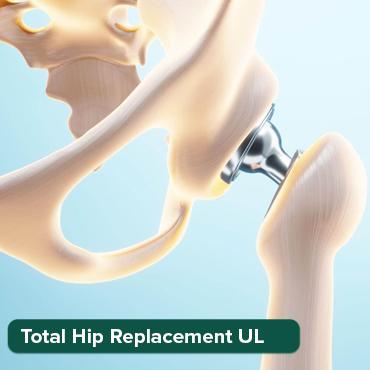
When it comes to arthroplasty, you'll often hear about "total" versus "partial" joint replacement. A total joint replacement involves replacing all the components of the joint with artificial implants. For example, a total knee replacement means replacing the ends of both the femur (thigh bone) and tibia (shin bone), as well as resurfacing the kneecap. It’s like completely overhauling the joint with new parts. On the flip side, a partial joint replacement, also known as a unicompartmental replacement, only replaces the damaged portion of the joint, leaving the healthy parts intact. This is often suitable for patients with arthritis that is localized to one area of the joint. Imagine replacing just one worn tire on your car instead of all four. Whether you're considering treatment at Mount Elizabeth Hospital in Singapore or exploring options with orthopedic specialists listed on Healthtrip, knowing the difference between total and partial replacement is vital for understanding your surgical plan.

Wellness Treatments
Give yourself the time to relax
Lowest Prices Guaranteed!

Lowest Prices Guaranteed!
Navigating the Surgical Process: Terms You'll Encounter
Osteotomy and Bone Grafting
Before or during a joint replacement, your surgeon might mention terms like osteotomy and bone grafting. An osteotomy involves cutting and reshaping bone to realign a joint or correct a deformity. This may be done to relieve pressure on a damaged joint and delay the need for a full joint replacement. Think of it as adjusting the foundation of a house to prevent further damage. Bone grafting, on the other hand, involves transplanting bone tissue to repair damaged or missing bone. This can be done to strengthen the bone around a joint replacement or to fill in gaps caused by injury or disease. It's like adding extra support beams to a structure. Both osteotomy and bone grafting can play a crucial role in ensuring the success and longevity of your joint replacement. When discussing your treatment plan with surgeons at places like Memorial Sisli Hospital, Istanbul, or consulting with specialists facilitated by Healthtrip, be sure to ask how these procedures, if necessary, will contribute to your overall outcome.
Cemented vs. Uncemented Implants
When it comes to securing the artificial joint in place, there are two main methods: cemented and uncemented fixation. Cemented implants are attached to the bone using a special type of bone cement, which acts like a glue to hold the implant in place. This method provides immediate stability and is often used for older patients or those with weaker bones. Uncemented implants, on the other hand, have a porous surface that allows bone to grow into the implant over time, creating a biological bond. This method is typically used for younger, more active patients with good bone quality. Think of it as planting a seed that grows and anchors itself in the ground. The choice between cemented and uncemented implants depends on various factors, including your age, bone quality, activity level, and the surgeon's preference. Whether you're seeking treatment at Helios Klinikum München West or exploring options with orthopedic experts through Healthtrip, understanding the pros and cons of each method will help you make an informed decision.
Post-Operative Care: Understanding the Recovery Process
Physical Therapy and Rehabilitation
After your joint replacement surgery, physical therapy and rehabilitation are essential for regaining strength, mobility, and function. Physical therapy involves a range of exercises and techniques designed to improve your range of motion, muscle strength, balance, and coordination. Rehabilitation is a broader term that encompasses all aspects of your recovery, including physical therapy, pain management, and occupational therapy. Think of physical therapy as rebuilding your physical strength and rehabilitation as regaining your overall well-being. Your physical therapist will work with you to develop a personalized rehabilitation program tailored to your specific needs and goals. Whether you're recovering at home or participating in a structured rehabilitation program at places like Bangkok Hospital, adhering to your physical therapy regimen is crucial for achieving the best possible outcome. Healthtrip can assist in coordinating post-operative care, ensuring a smooth transition back to your daily life.
Prosthesis and Revision Surgery
The term "prosthesis" simply refers to the artificial joint implant. It's the new joint that replaces your damaged one. While joint replacements are generally very successful, sometimes the prosthesis can wear out, loosen, or become infected over time, leading to the need for revision surgery. Revision surgery involves replacing or repairing a previously implanted prosthesis. This can be a more complex procedure than the initial joint replacement, but it can often restore function and relieve pain. Think of it as repairing or replacing a worn-out part in a machine. If you experience any problems with your joint replacement, such as increasing pain, stiffness, or instability, it's important to consult with your orthopedic surgeon right away. Whether you are seeking a second opinion or exploring revision surgery options, Healthtrip can help you connect with experienced surgeons at hospitals like Saudi German Hospital Cairo, Egypt, who specialize in complex joint replacement procedures.
What is Joint Replacement and Common Terms?
Joint replacement, also known as arthroplasty, is a surgical procedure to replace a damaged joint with an artificial joint, which is often made of metal, plastic, or ceramic. Think of it as giving your worn-out hinge a brand-new, shiny upgrade! This procedure aims to relieve pain, improve mobility, and enhance the overall quality of life for individuals suffering from severe joint damage. It's like finally being able to dance, garden, or simply walk without wincing in pain. The most commonly replaced joints are the hip and knee, but replacement surgery can be performed on other joints, including the shoulder, elbow, ankle, and even fingers. At Healthtrip, we understand that making the decision to undergo joint replacement surgery is a significant one. We are here to provide you with comprehensive information and connect you with top-tier hospitals and surgeons globally, ensuring you receive the best possible care tailored to your specific needs. For instance, the skilled surgeons at Saudi German Hospital Cairo, Egypt, are well-versed in performing advanced joint replacement procedures, utilizing cutting-edge techniques and adhering to rigorous international standards. Common terms you might hear include "total joint replacement," meaning the entire joint is replaced, or "partial joint replacement," where only the damaged portion is replaced. Understanding these terms can help you better navigate your conversations with your healthcare provider and make informed decisions about your treatment.
Key terms you’ll encounter include "orthopedic surgeon," the specialist who performs the surgery, and "prosthesis," the artificial joint itself. "Range of motion" refers to how far you can move your joint, and "rehabilitation" is the process of regaining strength and mobility after surgery. Getting familiar with these terms will empower you throughout your joint replacement journey. Healthtrip is dedicated to making this journey as smooth and stress-free as possible, offering resources and support every step of the way. For those considering options beyond their local area, hospitals like Fortis Shalimar Bagh and Yanhee International Hospital are renowned for their expertise in joint replacement and their commitment to patient care. Remember, understanding the terminology and the process is the first step towards reclaiming your active, pain-free life.
Why is Joint Replacement Necessary?
Joint replacement becomes necessary when a joint is severely damaged beyond repair by other treatments, significantly impacting a person's quality of life. Imagine your knee grinding with every step or your hip aching with every movement – that's the kind of debilitating pain that can lead to considering joint replacement. The most common culprit behind this damage is osteoarthritis, a degenerative joint disease where the cartilage that cushions the bones wears away over time. This can cause bone-on-bone friction, leading to intense pain, stiffness, and reduced mobility. Other conditions that may necessitate joint replacement include rheumatoid arthritis, an autoimmune disorder that attacks the joints; traumatic injuries, like fractures or dislocations that damage the joint beyond natural healing; and avascular necrosis, where the bone tissue dies due to a lack of blood supply. Essentially, when conservative treatments like pain medication, physical therapy, and lifestyle modifications no longer provide adequate relief, and the joint's deterioration severely limits daily activities, joint replacement emerges as a viable option to restore function and alleviate suffering. Healthtrip understands the profound impact joint pain can have on your life, and we're committed to connecting you with leading orthopedic specialists who can assess your condition and determine the most appropriate treatment plan, whether it's joint replacement or another innovative therapy. For example, Vejthani Hospital in Thailand is known for its comprehensive orthopedic services, offering state-of-the-art facilities and experienced surgeons who can help you regain your mobility and independence.
The decision to proceed with joint replacement is often a collaborative one between the patient and their orthopedic surgeon, carefully weighing the potential benefits and risks. It's not just about eliminating pain; it's about restoring your ability to perform everyday tasks, participate in activities you enjoy, and reclaim your overall well-being. Think of it as a chance to rewrite your story, to once again embrace an active and fulfilling lifestyle. With Healthtrip, you gain access to a global network of renowned hospitals and surgeons, ensuring you receive world-class care tailored to your specific needs. Hospitals like Memorial Bahçelievler Hospital and NMC Specialty Hospital, Al Nahda, Dubai are equipped with advanced technology and skilled medical teams dedicated to providing the best possible outcomes for joint replacement patients. We believe that everyone deserves the chance to live a pain-free and active life, and we're here to help you achieve that through informed decisions and access to exceptional medical care.
Types of Joint Replacement Procedures
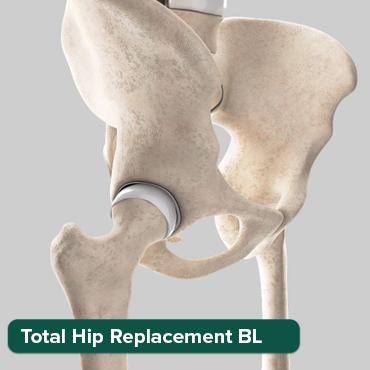
The world of joint replacement isn't a one-size-fits-all scenario; it's a field with various procedures tailored to address specific joint problems and patient needs. The most common types involve the hip and knee, but let's explore the broader spectrum. Total hip replacement involves replacing both the ball and socket of the hip joint with artificial components. This procedure is often recommended for severe osteoarthritis or hip fractures. On the other hand, partial hip replacement, also known as hemiarthroplasty, replaces only the ball of the hip joint, leaving the socket intact. This is typically used for certain types of hip fractures. Knee replacement, similarly, can be either total or partial. Total knee replacement (TKR) involves replacing the entire knee joint with artificial components, while partial knee replacement, or unicompartmental knee arthroplasty, replaces only the damaged compartment of the knee. This less invasive option is suitable for patients with localized arthritis in one part of the knee. Beyond hip and knee, shoulder replacement is another common procedure, replacing the ball and socket joint of the shoulder with prosthetic components to alleviate pain and restore range of motion. Ankle and elbow replacements are less common but can be effective for severe arthritis or injuries in these joints. At Healthtrip, we understand the importance of choosing the right procedure for your specific condition. We work with a network of leading orthopedic surgeons who specialize in a variety of joint replacement techniques. For instance, hospitals like Helios Klinikum Erfurt offer advanced joint replacement procedures, utilizing minimally invasive techniques and state-of-the-art technology to ensure optimal outcomes.
Another cutting-edge advancement in joint replacement is robotic-assisted surgery. This technique uses robotic arms to enhance the precision and accuracy of the surgery, potentially leading to improved implant placement and faster recovery times. Healthtrip is committed to staying at the forefront of medical advancements, connecting you with hospitals that offer the latest technologies and techniques in joint replacement. Hospitals such as Fortis Hospital, Noida are increasingly adopting robotic-assisted surgery for joint replacements, providing patients with the potential for more precise and less invasive procedures. Ultimately, the best type of joint replacement procedure for you will depend on the severity of your condition, your overall health, and your surgeon's recommendation. Healthtrip is here to empower you with the information and resources you need to make informed decisions about your care. We can connect you with experienced orthopedic specialists who can assess your specific situation and guide you towards the most appropriate treatment plan, ensuring you receive the best possible care and achieve a successful outcome. Remember, reclaiming your mobility and improving your quality of life is our top priority.
Also Read:
What is Joint Replacement and Common Terms?
Joint replacement, also known as arthroplasty, is a surgical procedure to replace a damaged joint with an artificial joint, called a prosthesis. Think of it as giving your worn-out knee, hip, or shoulder a brand-new lease on life! The goal is to relieve pain, improve mobility, and enhance your overall quality of life. It's like trading in those squeaky, rusty hinges for a smooth, well-oiled set. Common terms you'll hear include osteoarthritis (the most common reason for joint replacement), rheumatoid arthritis (an autoimmune disease affecting joints), avascular necrosis (bone death due to lack of blood supply), and prosthesis (the artificial joint itself). Understanding these terms is the first step in navigating the world of joint replacement. It can feel overwhelming at first, but armed with the right knowledge, you can make informed decisions about your health and well-being. Don’t hesitate to ask your doctor to explain anything you don’t understand; they're there to guide you through the process. Joint replacement can truly be life-changing, allowing you to return to activities you once thought were impossible.
Why is Joint Replacement Necessary?
Joint replacement becomes necessary when a joint is severely damaged and no longer functions properly, causing significant pain and limiting your ability to perform everyday activities. Imagine trying to walk with a constant, throbbing ache in your knee, or struggling to lift your arm because of shoulder pain. That's the reality for many people who eventually opt for joint replacement. Conditions like osteoarthritis, where the cartilage cushioning the joint wears away, are major culprits. Rheumatoid arthritis, injuries, and other diseases can also lead to joint damage that necessitates replacement. When conservative treatments like physical therapy, pain medication, and injections no longer provide adequate relief, joint replacement offers a more permanent solution. It's about reclaiming your independence and getting back to doing the things you love, whether it's gardening, playing with your grandchildren, or simply taking a walk without wincing in pain. Joint replacement isn't just about relieving pain; it's about restoring your quality of life and letting you live it to the fullest. It's an investment in your future health and happiness, allowing you to move freely and comfortably for years to come.
Types of Joint Replacement Procedures
There are several types of joint replacement procedures, each tailored to address specific joint issues. The most common include total knee replacement, total hip replacement, and shoulder replacement. Total knee replacement involves replacing the entire knee joint with a prosthesis, while partial knee replacement may be an option if only one part of the knee is damaged. Hip replacement can be either total, replacing both the ball and socket of the hip joint, or partial, replacing only the ball. Shoulder replacement can also be total, replacing the ball and socket, or reverse, where the positions of the ball and socket are switched to improve shoulder function. The specific type of procedure recommended depends on the extent of the joint damage, your overall health, and your surgeon's expertise. It's crucial to have a thorough discussion with your doctor to understand the pros and cons of each option and determine which procedure is best suited to your individual needs. Think of it as choosing the right tool for the job – each type of joint replacement is designed to address a particular problem and restore optimal function. With advancements in surgical techniques and prosthetic materials, joint replacement procedures are becoming increasingly effective and long-lasting.
Who is a Good Candidate for Joint Replacement?
Determining if you're a good candidate for joint replacement involves considering several factors. Typically, individuals who experience significant pain and functional limitations that interfere with daily life, despite trying other treatments, are considered good candidates. This means that if medications, physical therapy, and lifestyle modifications haven't provided sufficient relief, it might be time to explore joint replacement. Your overall health is also a crucial factor. Surgeons will assess your medical history, including any underlying conditions like heart disease or diabetes, to ensure you're healthy enough to undergo surgery. Age isn't necessarily a barrier; people of all ages, from younger adults to seniors, can benefit from joint replacement. However, younger patients may need to consider the potential for needing revision surgery later in life. A successful joint replacement requires a commitment to rehabilitation and following your doctor's instructions. Good candidates are motivated to actively participate in the recovery process, which includes physical therapy and lifestyle adjustments. Ultimately, the decision to undergo joint replacement is a personal one, made in consultation with your doctor. It's about weighing the potential benefits against the risks and determining if the procedure is the right choice to improve your quality of life.
Where to Get Joint Replacement: Hospitals and Locations
Choosing the right hospital and surgeon for your joint replacement is a crucial step in ensuring a successful outcome. Several factors should influence your decision, including the hospital's reputation, the surgeon's experience, and the availability of advanced technology and rehabilitation services. Researching hospitals known for their orthopedic programs is a great starting point. Look for hospitals with board-certified orthopedic surgeons specializing in joint replacement. Consider factors like the hospital's infection rates, patient satisfaction scores, and the availability of minimally invasive surgical techniques. Getting a second opinion from another surgeon can also provide valuable insights and help you feel more confident in your decision. Healthtrip can assist you in finding reputable hospitals and experienced surgeons in various locations, making the process of choosing the right facility easier. Some of the hospitals people consider through Healthtrip include:
- Saudi German Hospital Alexandria, Egypt
- OCM Orthopädische Chirurgie München
- Fortis Escorts Heart Institute
- Fortis Shalimar Bagh
- Yanhee International Hospital
- Vejthani Hospital
- Memorial Bahçelievler Hospital
- Memorial Sisli Hospital
- NMC Specialty Hospital, Al Nahda, Dubai
- Thumbay Hospital
- Saudi German Hospital Cairo, Egypt
- Helios Klinikum Erfurt
- Helios Emil von Behring
- Helios Klinikum München West
- Fortis Hospital, Noida
- Fortis Memorial Research Institute, Gurgaon
- Max Healthcare Saket
- Pantai Hospital Kuala Lumpur, Malaysia
- KPJ Ampang Puteri Specialist Hospital, Kuala Lumpur, Malaysia
- IERA Lisbon Assisted Reproduction Institute
- Dr. Hassan Al-Abdulla Medical Center
- Saudi German Hospital Al-Madinah Almonawara
- Saudi German Hospital Dammam
- Saudi German Hospital Hail
- Mount Elizabeth Hospital
- Singapore General Hospital
- National Cancer Centre Singapore
- Jiménez Díaz Foundation University Hospital
- Hospital Quirónsalud Cáceres
- Quironsalud Hospital Murcia
- Bangkok Hospital
- BNH Hospital
- CGH Hospital
- Taoufik Hospitals Group, Tunisia
- LIV Hospital, Istanbul
- Hisar Intercontinental Hospital
- NPISTANBUL Brain Hospital
- NMC Royal Hospital, DIP, Dubai
- NMC Royal Hospital Sharjah
- NMC Specialty Hospital, Abu Dhabi
- London Medical
- Cleveland Clinic London
- The Royal Marsden Private Care, London
When considering locations, think about factors like travel distance, cost, and the availability of support from family and friends. Some people choose to travel abroad for joint replacement to access more affordable or specialized care. Healthtrip can help you explore your options and find the best hospital and location to meet your individual needs. Remember, the right choice can make a significant difference in your overall experience and outcome.
Also Read:
How to Prepare for Joint Replacement Surgery
Preparing for joint replacement surgery involves several key steps to ensure a smooth and successful experience. First and foremost, schedule a thorough pre-operative evaluation with your surgeon. This will include a physical exam, blood tests, and imaging studies to assess your overall health and the condition of your joint. Your surgeon will also discuss the surgical procedure in detail, answering any questions you may have and addressing any concerns. Optimizing your health before surgery is crucial. This may involve losing weight if you're overweight, quitting smoking, and managing any underlying medical conditions like diabetes or heart disease. Regular exercise, especially strengthening exercises for the muscles around the joint, can also help improve your recovery. Make sure to inform your surgeon about all medications and supplements you're taking, as some may need to be stopped before surgery. Planning for your recovery at home is equally important. This includes arranging for help with daily tasks, modifying your home to make it more accessible (e.g., installing grab bars in the bathroom), and gathering any necessary medical equipment like a walker or crutches. Mentally preparing for surgery can also be beneficial. This may involve talking to a therapist or counselor to address any anxiety or fears you may have. By taking these proactive steps, you can significantly improve your chances of a successful joint replacement and a smooth recovery.
Post-Operative Care and Rehabilitation Terminology
Understanding the terminology used during post-operative care and rehabilitation can help you navigate the recovery process with greater confidence. Physical therapy (PT) is a cornerstone of rehabilitation, focusing on exercises to restore strength, range of motion, and function. Occupational therapy (OT) helps you regain the skills needed for daily living, such as dressing, bathing, and cooking. Range of motion (ROM) refers to the extent to which you can move your joint. Weight-bearing status indicates how much weight you can put on your operated leg or arm. Partial weight-bearing (PWB) means you can put some weight on the leg, while non-weight-bearing (NWB) means you can't put any weight on it at all. Assistive devices like walkers, crutches, and canes can help you maintain balance and mobility during recovery. Pain management is also a crucial aspect of post-operative care. Your doctor may prescribe pain medication or recommend other pain relief strategies like ice packs and elevation. It's important to communicate your pain levels to your healthcare team so they can adjust your treatment accordingly. Knowing these terms will help you better understand your rehabilitation plan and actively participate in your recovery. Don't hesitate to ask your physical therapist, occupational therapist, or doctor to clarify any terms you're unsure about – they're there to support you every step of the way.
Conclusion
Joint replacement is a remarkable procedure that can significantly improve your quality of life by relieving pain and restoring mobility. If you're struggling with a damaged joint and conservative treatments haven't provided adequate relief, joint replacement may be a viable option. Understanding the different types of procedures, knowing what to expect during the recovery process, and choosing the right hospital and surgeon are all crucial steps in ensuring a successful outcome. Healthtrip is here to assist you in navigating the world of joint replacement, providing valuable information and connecting you with reputable hospitals and experienced surgeons. Don't let joint pain limit your life any longer – explore your options and take the first step towards a pain-free and active future. With the right care and support, you can reclaim your independence and enjoy the activities you love once again. Remember, joint replacement isn't just about replacing a joint; it's about restoring your life.
Related Blogs

Why Second Opinions Matter Before Eye Surgery Doctors Explain
Deep medical insights, treatment comparisons, safety standards, and technological updates

International Patients' Guide to Understanding Eye Surgery Terminology
Deep medical insights, treatment comparisons, safety standards, and technological updates

How Healthtrip Ensures Patient Safety During Eye Surgery Procedures
Deep medical insights, treatment comparisons, safety standards, and technological updates

Choosing Between Treatment Options for Eye Surgery
Deep medical insights, treatment comparisons, safety standards, and technological updates

How to Read Your Medical Reports Before Eye Surgery
Deep medical insights, treatment comparisons, safety standards, and technological updates

Breakthrough Medical Technologies Transforming Eye Surgery in India
Deep medical insights, treatment comparisons, safety standards, and technological updates