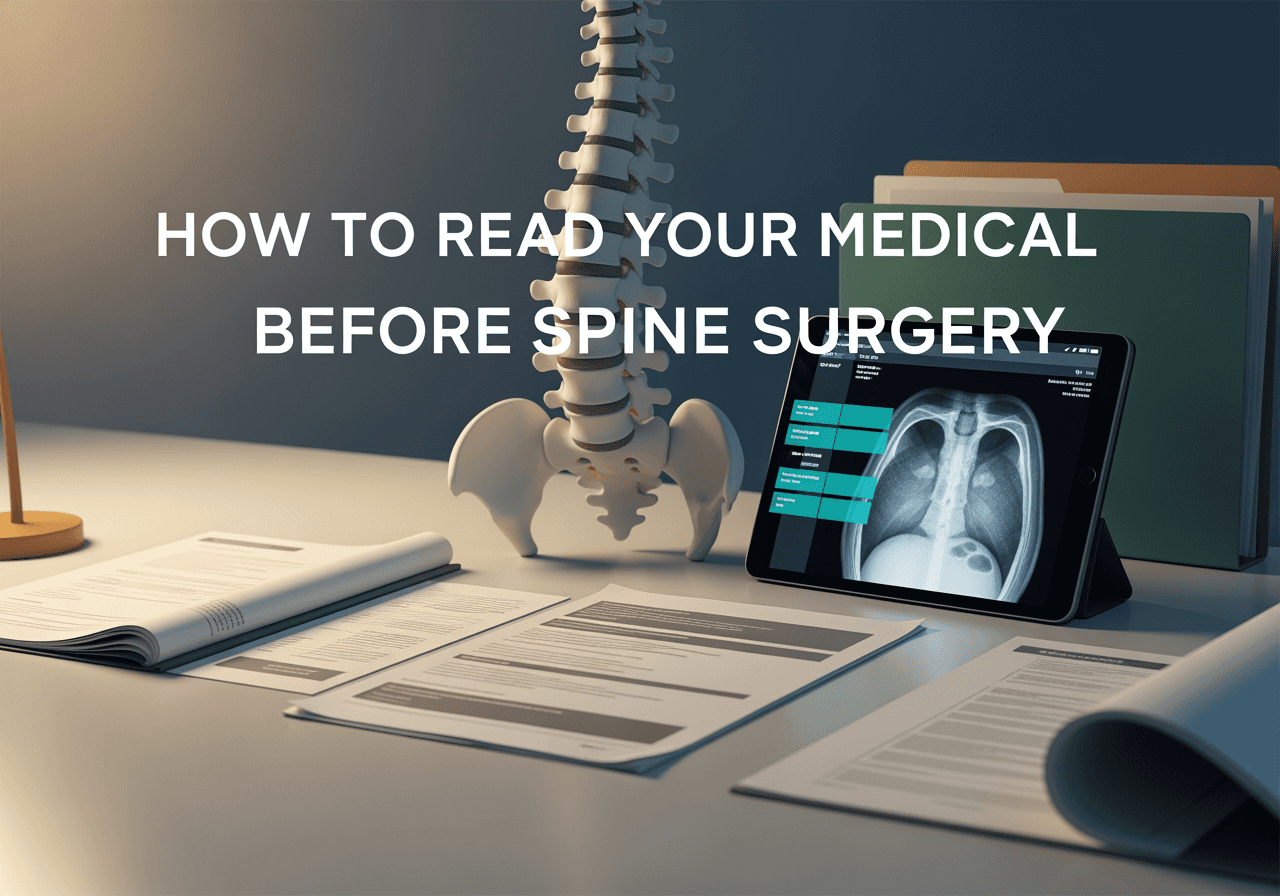
How to Read Your Medical Reports Before Spine Surgery
06 Dec, 2025
 Healthtrip
- Why is it Important to Read Your Spine Surgery Medical Reports?
- Where to Obtain Your Medical Reports for Spine Surgery?
- Decoding Key Medical Terms in Your Spine Reports < li>Understanding Imaging Results: MRI, CT Scans, and X-Rays
- When and How to Consult Your Doctor at Fortis Escorts Heart Institute , Fortis Shalimar Bagh, Memorial Bahçelievler Hospital,Memorial Sisli Hospital, NMC Specialty Hospital, Al Nahda, Dubai ,Thumbay Hospital, Saudi German Hospital Cairo, Egypt, Helios Klinikum Erfurt, Helios Klinikum München West, LIV Hospital, Istanbul, Hisar Intercontinental Hospital, NMC Royal Hospital, DIP, Dubai, Cleveland Clinic London Regarding Your Reports?
- Seeking a Second Opinion at Yanhee International Hospital, Vejthani Hospital, Helios Emil von Behring Before Spine Surgery
- Example Cases: How Report Interpretation Influenced Spine Surgery Decisions
- Conclusion
Medical reports, while seemingly daunting, follow a fairly standard structure. Typically, you'll find sections detailing your medical history, including pre-existing conditions, allergies, and previous surgeries. Then comes the physical examination findings, where the doctor, perhaps one affiliated with Max Healthcare Saket, documents their observations during your consultation. The report will also include imaging results, such as X-rays, MRIs, or CT scans, which provide a visual representation of your spine. These images are crucial for diagnosing the source of your pain. Crucially, there will be a section outlining the diagnosis, explaining the specific condition affecting your spine, for example, spinal stenosis or a herniated disc. The report will conclude with the recommended treatment plan, which may involve physical therapy, medication, injections, or, in some cases, spine surgery. Keep in mind that each section plays a vital role in painting a complete picture of your spinal health, don't be shy to consult with doctors at hospitals that Healthtrip collaborates with, such as Memorial Sisli Hospital, if something isn't clear.
Most popular procedures in India


Deciphering Medical Jargon
Medical reports are notorious for their use of complex terminology, but breaking it down can be easier than you think. For instance, "vertebrae" simply refers to the bones that make up your spine, while "disc" refers to the cushions between these bones. "Stenosis" indicates narrowing, often referring to the spinal canal, which can compress the nerves. Terms like "herniation" or "protrusion" describe issues with the intervertebral discs. Learning these common terms, or contacting Healthtrip to clarify any doubts, can significantly improve your understanding. Don't hesitate to ask your doctor at, say, Saudi German Hospital Cairo, to explain the terminology in plain language. Many resources online, including medical dictionaries, can also provide definitions of unfamiliar terms. You can also contact Healthtrip to provide a qualified tranlator for any reports. The goal is not to become a medical expert but to gain a basic understanding of your condition.
Imaging Reports: X-Rays, MRIs, and CT Scans
Imaging reports, like MRI and CT scans, offer detailed insights into the condition of your spine. X-rays, for example, primarily visualize bony structures, helping to identify fractures or misalignments. MRIs provide more detailed images of soft tissues, such as discs, spinal cord, and nerves, making them invaluable for diagnosing herniated discs or nerve compression. CT scans offer a cross-sectional view of the spine, combining the benefits of both X-rays and MRIs. Each report will include a radiologist’s interpretation of the images, describing any abnormalities detected. However, it's important to remember that these reports are just one piece of the puzzle, and your doctor at a Healthtrip-affiliated hospital like Pantai Hospital Kuala Lumpur, will consider these findings alongside your symptoms and physical examination to formulate an accurate diagnosis. If any imaging report is confusing, Healthtrip team will connect you with an expert who can help you understand its implications.

Wellness Treatments
Give yourself the time to relax
Lowest Prices Guaranteed!

Lowest Prices Guaranteed!
Understanding Surgical Options and Risks
The surgical plan outlined in your medical report details the specific procedure recommended for your condition. This section should explain the type of surgery, such as laminectomy, spinal fusion, or discectomy, and the approach the surgeon will take. The report may also mention the use of any implants or devices, such as screws, rods, or cages, used to stabilize the spine. For example, if you are consulting with doctors at LIV Hospital, Istanbul, they might recommend minimally invasive techniques to reduce recovery time. Importantly, the report should also discuss the potential risks and complications associated with the surgery. These risks can range from infection and bleeding to nerve damage and persistent pain. Understanding these risks is crucial for making an informed decision about whether to proceed with surgery. Remember, Healthtrip's goal is to help you access the best possible care, so don't hesitate to ask questions and seek clarification about any aspect of the surgical plan.
Questions to Ask Your Doctor Before Surgery
Before committing to spine surgery, it’s essential to have a thorough discussion with your doctor; perhaps one you found through Healthtrip at Bumrungrad Hospital in Bangkok. Here are some key questions to consider: What are the specific goals of the surgery? What are the potential benefits and risks? Are there any alternative treatments available? What is the expected recovery time? What activities will I be able to do after surgery? What are the long-term outcomes? Don't be afraid to express any concerns you may have. A good doctor will take the time to address your questions thoroughly and help you feel confident in your decision. Healthtrip can also help you find specialists who can provide second opinions, ensuring you have a comprehensive understanding of your options. The more informed you are, the better prepared you'll be for surgery and recovery.
The Importance of a Second Opinion
Seeking a second opinion is a valuable step before undergoing any major surgery, especially one as complex as spine surgery. A second opinion provides an independent assessment of your condition and the proposed treatment plan. It can confirm the original diagnosis, offer alternative treatment options, or provide a different perspective on the risks and benefits of surgery. For instance, a specialist at Cleveland Clinic London might offer a different approach compared to what was initially recommended. Healthtrip can facilitate second opinions from top specialists around the world, giving you peace of mind and ensuring you're making the best possible decision for your health. Remember, seeking a second opinion is not about doubting your doctor but about empowering yourself with knowledge and confidence.
Preparing for Surgery and Recovery
Once you've decided to proceed with surgery, preparing both physically and mentally is crucial. Your medical report should outline any pre-operative instructions, such as medications to stop taking or dietary restrictions to follow. Engaging in physical therapy before surgery can also strengthen your muscles and improve your overall fitness. Mentally, it's important to manage your expectations and prepare for the recovery process. Understand that recovery can take time and patience, and it's normal to experience some pain and discomfort. Having a strong support system in place is essential, whether it's family, friends, or a support group. Consider the post-operative care services offered by hospitals such as NMC Royal Hospital, DIP, Dubai, which can play a vital role in ensuring a smooth and comfortable recovery. Healthtrip is committed to supporting you throughout your entire journey, from pre-operative planning to post-operative rehabilitation.
Rehabilitation and Long-Term Care
Rehabilitation is an integral part of the recovery process following spine surgery. Your doctor will likely recommend a physical therapy program to help you regain strength, flexibility, and function, ensuring that all aspects of post-surgical care at facilities from reputable hospitals like Jiménez Díaz Foundation University Hospital are handled properly. Adhering to your physical therapy plan is essential for achieving optimal results and preventing complications. Long-term care may also involve lifestyle modifications, such as maintaining a healthy weight, practicing good posture, and avoiding activities that put excessive stress on your spine. Regular follow-up appointments with your doctor are also important to monitor your progress and address any concerns. Healthtrip can connect you with rehabilitation specialists and provide resources to support your long-term spinal health.
Healthtrip: Your Partner in Spinal Health
Healthtrip is dedicated to empowering you with the knowledge and resources you need to make informed decisions about your spinal health. We understand that navigating medical reports and treatment options can be overwhelming, which is why we're here to guide you every step of the way. From connecting you with top spine specialists at hospitals like Mount Elizabeth Hospital in Singapore, to facilitating second opinions and providing access to cutting-edge treatments, Healthtrip is committed to helping you achieve the best possible outcome. We believe that everyone deserves access to high-quality, affordable healthcare, and we're proud to be your partner in this journey. Contact Healthtrip today to learn more about how we can support your spinal health needs and to access a wide international network of doctors and hospitals.
Why is it Important to Read Your Spine Surgery Medical Reports?
Imagine embarking on a journey, but without a map. That's essentially what undergoing spine surgery without understanding your medical reports is like! Your medical reports are far more than just stacks of paper filled with medical jargon; they are the roadmap to your spinal health, detailing everything from the initial diagnosis to the proposed surgical plan and potential risks. By actively engaging with these reports, you empower yourself to become an informed participant in your own care. You’ll gain a clearer picture of the specific issues affecting your spine, the rationale behind the chosen surgical approach, and the expected outcomes. This knowledge is crucial for alleviating anxiety and fostering realistic expectations about the surgery and recovery process. For instance, understanding the severity of your spinal stenosis or the precise location of a herniated disc, as described in your reports, helps you mentally prepare for what lies ahead, both during and after the procedure. Moreover, proactively reviewing your reports allows you to identify any discrepancies or areas that require further clarification. Perhaps a term is unclear, or a specific finding seems inconsistent with what your doctor has explained. Addressing these questions before surgery can prevent misunderstandings and ensure that everyone is on the same page, contributing to a smoother and more successful surgical experience. Healthtrip encourages you to take the reins of your health journey. We believe that informed patients are empowered patients, and reading your spine surgery medical reports is a vital step in that direction.
Where to Obtain Your Medical Reports for Spine Surgery?
So, you're ready to take charge and delve into your spine surgery medical reports, but where do you even begin to find them? Fortunately, accessing your medical records is often simpler than you might think, and varies depending on the healthcare system you are navigating. If you are considering or have received care at a leading international hospital such as Memorial Bahçelievler Hospital or Memorial Sisli Hospital in Istanbul, Turkey, or perhaps the Saudi German Hospital Cairo, Egypt, the process is likely streamlined through patient portals. These secure online platforms allow you to conveniently view, download, and even share your medical records with other healthcare providers. Ask your patient coordinator or the hospital's medical records department for login credentials and instructions. In other cases, especially for older records, you might need to submit a formal request to the medical records department. This often involves filling out a form and providing identification to verify your identity. Once the request is processed, you can usually choose to receive your records electronically or as physical copies. It's worth noting that some hospitals may charge a small fee for providing copies of your records. Healthtrip understands that navigating these administrative processes can sometimes feel overwhelming, particularly when you're already dealing with health concerns. That's why we're here to help! Our team can assist you in locating and obtaining your medical records from various healthcare providers, ensuring that you have all the necessary information to make informed decisions about your spinal health. Don't hesitate to reach out to us for guidance and support in this important step of your healthcare journey.
Decoding Key Medical Terms in Your Spine Reports
Alright, you've got your spine surgery medical reports in hand – congratulations! Now comes the next hurdle: deciphering the often bewildering world of medical terminology. Your reports may be filled with terms like "stenosis," "herniation," "laminectomy," and "fusion," which can feel like you're reading a foreign language. Don't panic! Understanding the basic building blocks of these terms can make a world of difference. Let's start with "stenosis," which simply refers to a narrowing. Spinal stenosis, therefore, means a narrowing of the spinal canal, which can put pressure on your spinal cord and nerves. "Herniation," on the other hand, describes a condition where the soft, jelly-like center of a spinal disc protrudes through a tear in the outer layer, potentially irritating nearby nerves. Surgical procedures also have their own specific terminology. A "laminectomy" involves removing a portion of the lamina (the back part of a vertebra) to relieve pressure on the spinal cord. "Fusion" is a procedure where two or more vertebrae are joined together to stabilize the spine. To further demystify these terms, consider using online medical dictionaries or resources provided by reputable organizations. Healthtrip offers access to a glossary of common medical terms related to spine surgery, designed to empower you to understand your reports more fully. Remember, you don't have to become a medical expert overnight. Even a basic understanding of these key terms can significantly enhance your ability to communicate effectively with your doctor at Fortis Shalimar Bagh, Saudi German Hospital Cairo or any other hospital you choose for your treatment, ask informed questions, and actively participate in decisions about your care.
Also Read:
Understanding Imaging Results: MRI, CT Scans, and X-Rays
Navigating the world of medical imaging can feel like trying to decipher an alien language. MRI, CT scans, and X-rays each offer unique insights into the intricate architecture of your spine, and understanding the basics can empower you to participate more actively in your healthcare journey. Think of an X-ray as a quick snapshot, excellent for visualizing bones and detecting fractures or significant misalignments. However, it provides limited information about soft tissues like discs and nerves. A CT scan, on the other hand, is like taking a series of X-rays from different angles, creating a more detailed cross-sectional image. This is beneficial for assessing bone structures, tumors, and certain types of spinal stenosis. But the real star of the show when it comes to spine imaging is the MRI. Imagine it as a high-definition movie of your spine, capable of revealing the most subtle details of soft tissues, including disc herniations, nerve compression, and spinal cord abnormalities. An MRI uses powerful magnets and radio waves to generate incredibly detailed images, making it the gold standard for diagnosing many spine conditions. So, while your doctor will ultimately interpret these images, having a basic understanding of what each type of scan reveals can help you feel more informed and confident during consultations.
Delving a bit deeper, let's consider some common findings revealed by these imaging techniques. An MRI, for instance, might show a "disc herniation," which is often described as a bulging or rupture of the intervertebral disc – the cushion-like structure between your vertebrae. This can press on nearby nerves, causing pain, numbness, or weakness. The MRI report might also mention "spinal stenosis," a narrowing of the spinal canal that can compress the spinal cord or nerves. Another common finding is "degenerative disc disease," which refers to the gradual breakdown of the spinal discs over time, often leading to pain and stiffness. On a CT scan, you might see evidence of "spondylolisthesis," a condition where one vertebra slips forward over another. X-rays can reveal "scoliosis," an abnormal curvature of the spine, or "fractures," which can occur due to trauma or osteoporosis. Remember, the presence of these findings on an imaging report doesn't automatically mean surgery is necessary. Many people have mild disc bulges or degenerative changes without experiencing any symptoms. The key is to correlate the imaging findings with your clinical symptoms and the doctor's physical examination to determine the best course of treatment.
Moreover, it’s important to remember that these imaging reports are written by radiologists, who are experts in interpreting medical images. Their reports are highly technical and often use specific terminology to accurately describe what they see. Don't be intimidated by the jargon! Your surgeon at Fortis Escorts Heart Institute or Fortis Shalimar Bagh, or perhaps an expert at Memorial Bahçelievler Hospital or Memorial Sisli Hospital will translate the findings into plain language and explain how they relate to your symptoms. This is where open communication becomes crucial. Ask questions! Don't hesitate to ask your doctor to point out specific areas of concern on the images themselves. Visualizing the problem can often make it easier to understand the diagnosis and treatment plan. Also, keep in mind that imaging is just one piece of the puzzle. Your doctor will also consider your medical history, physical examination findings, and your overall health status when making treatment decisions. So, while understanding your imaging results is helpful, it's essential to view them in the context of your entire clinical picture. If you're considering traveling abroad for spine surgery, hospitals like Saudi German Hospital Cairo, Egypt, and Helios Klinikum Erfurt also utilize advanced imaging technologies to provide accurate diagnoses and treatment plans.
Also Read:
When and How to Consult Your Doctor at Fortis Escorts Heart Institute , Fortis Shalimar Bagh, Memorial Bahçelievler Hospital,Memorial Sisli Hospital, NMC Specialty Hospital, Al Nahda, Dubai ,Thumbay Hospital, Saudi German Hospital Cairo, Egypt, Helios Klinikum Erfurt, Helios Klinikum München West, LIV Hospital, Istanbul, Hisar Intercontinental Hospital, NMC Royal Hospital, DIP, Dubai, Cleveland Clinic London Regarding Your Reports?
So, you’ve got your hands on your spine surgery medical reports – congratulations, you've taken a significant step towards being an informed patient! But now what? When is the right time to schedule a consultation with your doctor at, say, Fortis Escorts Heart Institute or Fortis Shalimar Bagh, and how should you approach that conversation? The simple answer is: as soon as possible after receiving your reports. Don't let them gather dust on a shelf! The sooner you discuss the findings with your surgeon, the sooner you can begin to understand the implications and explore your treatment options. However, before you rush into the appointment, take some time to review the reports yourself. Highlight any words or phrases you don't understand, and jot down any questions that come to mind. This will help you make the most of your consultation time. Perhaps you are considering treatment abroad. Bringing your prepared questions to a consultation at Memorial Bahçelievler Hospital or even NMC Specialty Hospital, Al Nahda, Dubai, can make the experience more efficient and beneficial. Remember, there are plenty of hospitals abroad that can also give you the best treatment such as Saudi German Hospital Cairo, Egypt.
When you finally sit down with your doctor, whether it's in person or via a telehealth appointment, be prepared to be an active participant in the conversation. Don't be afraid to ask questions, even if you think they're "silly" or "obvious". Your doctor at Thumbay Hospital, or maybe Helios Klinikum Erfurt, should be able to explain the medical jargon in plain language, and clarify any uncertainties you may have. Start by asking them to summarize the key findings of the reports. What are the main issues identified? How severe are they? And most importantly, how do they relate to your symptoms? For example, if your MRI report shows a disc herniation, ask your doctor to explain how that herniation is affecting the nerves and causing your pain. It's also crucial to discuss the potential treatment options. Are there non-surgical approaches you can try first, such as physical therapy, pain medication, or injections? If surgery is recommended, be sure to understand the specific goals of the procedure, the potential risks and benefits, and the expected recovery time. Remember, it's okay to express your concerns and anxieties. Spine surgery can be a daunting prospect, so don't hesitate to share your fears with your doctor at LIV Hospital, Istanbul, or Hisar Intercontinental Hospital. A good surgeon will take the time to address your concerns and help you feel more comfortable with the decision-making process. And if you're seeking even more clarity, consider consulting with specialists at NMC Royal Hospital, DIP, Dubai, or Cleveland Clinic London, each known for their expertise.
Furthermore, consider this consultation as a collaborative effort. Your doctor brings their medical expertise, but you bring your unique perspective on your own health and well-being. Share your goals and expectations for treatment. What are you hoping to achieve? Are you aiming to reduce pain, improve mobility, or return to a specific activity? By clearly communicating your priorities, you can help your doctor tailor the treatment plan to your individual needs. Also, don't be afraid to challenge your doctor's recommendations. If something doesn't feel right or if you have doubts, voice them! It's perfectly acceptable to ask for a second opinion or to research alternative treatment approaches. The goal is to find a solution that you feel confident and comfortable with. Finally, document everything! Take notes during the consultation, and ask your doctor to provide you with a written summary of the discussion. This will help you remember the key points and refer back to them later. Being well-informed and actively engaged in your care is essential for achieving the best possible outcome after spine surgery. Don't hesitate to leverage resources like Healthtrip to research hospitals and specialists, compare treatment options, and connect with other patients who have undergone similar procedures. This empowers you to make informed decisions and take control of your spinal health journey.
Also Read:
Seeking a Second Opinion at Yanhee International Hospital, Vejthani Hospital, Helios Emil von Behring Before Spine Surgery
Considering spine surgery is a big decision, and it's perfectly reasonable to seek a second opinion before committing to a particular treatment plan. Think of it as getting a fresh set of eyes to review your case, ensuring that all angles have been considered and that you're making the most informed choice possible. A second opinion can provide valuable insights, confirm the initial diagnosis, offer alternative treatment options, or simply give you peace of mind knowing that you've explored all possibilities. Perhaps your initial consultation left you feeling uncertain. Maybe you didn't quite connect with the surgeon, or you felt like your questions weren't fully answered. A second opinion can address these concerns and help you feel more confident in your decision. Seeking a second opinion isn't about doubting your doctor's competence or expertise. It's about empowering yourself to make the best possible choice for your health and well-being. Different doctors may have different approaches to treating spine conditions, and a second opinion can expose you to a wider range of perspectives and treatment options. It is important to note, however, that hospitals such as Saudi German Hospital Alexandria, Egypt are also very well known for second opinions and great doctors.
If you're considering seeking a second opinion, several excellent hospitals abroad can provide expert evaluations. Yanhee International Hospital and Vejthani Hospital in Thailand are renowned for their spine surgery programs and offer comprehensive second opinion services. Helios Emil von Behring in Germany is another reputable option, known for its advanced diagnostic capabilities and experienced spine surgeons. When seeking a second opinion, be sure to provide the consulting doctor with all of your relevant medical records, including imaging reports, operative notes (if you've had previous spine surgeries), and a summary of your symptoms and treatment history. This will allow them to thoroughly review your case and provide an informed opinion. During the second opinion consultation, ask the doctor to explain their assessment of your condition, their recommended treatment plan, and the potential risks and benefits of each option. Don't hesitate to ask clarifying questions and express any concerns you may have. A good doctor will be happy to address your questions and help you feel comfortable with the decision-making process. Keep in mind that the second opinion doctor may agree with the initial recommendation, or they may suggest a different approach. If the opinions differ, take the time to carefully weigh the pros and cons of each option and discuss them with both doctors. Ultimately, the goal is to find a treatment plan that you feel confident and comfortable with, and that aligns with your goals and expectations.
Moreover, consider the potential cost and logistics of seeking a second opinion abroad. Healthtrip can assist you in navigating these challenges by providing information on hospitals, doctors, travel arrangements, and medical visa requirements. They can also help you obtain your medical records and translate them into the appropriate language for the consulting doctor. Remember, seeking a second opinion is an investment in your health and well-being. While it may require some additional time and effort, it can provide invaluable peace of mind and help you make the most informed decision possible about your spine surgery. Don't be afraid to advocate for yourself and seek the information you need to feel confident in your care. By taking an active role in your healthcare journey, you can increase your chances of achieving a successful outcome and returning to a pain-free, active life. It's also beneficial to explore patient reviews and testimonials for the hospitals and doctors you're considering. Hearing about other patients' experiences can provide valuable insights and help you make a more informed decision. Remember, Healthtrip offers a platform for connecting with other patients and sharing experiences, making it a valuable resource for your spine surgery journey. If you are looking for hospitals in Egypt for spine surgery, you can consider the Saudi German Hospital Cairo, Egypt.
Example Cases: How Report Interpretation Influenced Spine Surgery Decisions
To illustrate the importance of understanding medical reports, let's delve into a few hypothetical, yet realistic, case examples where report interpretation significantly influenced spine surgery decisions. These scenarios highlight how seemingly minor details in a report can have a major impact on the chosen treatment approach. Imagine a 45-year-old woman, Sarah, who experiences chronic lower back pain radiating down her left leg. Her MRI report reveals a small disc herniation at the L4-L5 level, but also notes moderate facet joint arthritis and mild spinal stenosis. Initially, surgery seemed like a straightforward option to address the disc herniation. However, a careful interpretation of the report, coupled with a thorough physical examination, revealed that Sarah's pain was primarily stemming from the facet joint arthritis rather than the disc herniation itself. As a result, the surgeon recommended a course of conservative treatment, including physical therapy and injections, to address the arthritis. Sarah experienced significant pain relief with these non-surgical measures, avoiding the need for surgery altogether. This case demonstrates how a comprehensive understanding of the report, combined with clinical judgment, can lead to a more targeted and effective treatment plan.
Consider another case, that of a 60-year-old man, John, who presents with neck pain, numbness in his hands, and difficulty walking. His MRI report shows multi-level cervical spinal stenosis, with significant compression of the spinal cord. The report also mentions the presence of "myelomalacia," which indicates damage to the spinal cord. In John's case, the myelomalacia finding was a critical factor in the decision to proceed with surgery. While spinal stenosis alone might be managed conservatively in some cases, the presence of spinal cord damage indicated a more urgent need for surgical decompression to prevent further neurological deterioration. The surgeon performed a cervical laminectomy to relieve the pressure on the spinal cord, resulting in significant improvement in John's symptoms and preventing further damage. This example emphasizes how specific findings in a report can significantly influence the urgency and type of surgical intervention required. Always check with hospitals like Saudi German Hospital Cairo, Egypt who can also help you in finding the correct plan of action.
Lastly, let's examine the case of a 55-year-old construction worker, Michael, who suffered a traumatic injury to his lower back after falling from a ladder. His CT scan reveals a compression fracture of the L1 vertebra, as well as some ligamentous injuries. The report also mentions the presence of "retropulsion," meaning that a fragment of the fractured vertebra had been pushed backward into the spinal canal. In Michael's case, the retropulsion finding was a key determinant in the surgical approach. The surgeon opted for a posterior spinal fusion to stabilize the fracture and remove the retropulsed fragment, preventing further compression of the spinal cord. Without a careful interpretation of the CT scan, the retropulsion might have been missed, leading to an inadequate surgical plan and potentially causing long-term neurological complications. These cases underscore the vital role of accurate report interpretation in guiding spine surgery decisions. By understanding the nuances of your medical reports and engaging in open communication with your surgeon, you can ensure that you receive the most appropriate and effective treatment for your specific condition, whether it's at Fortis Escorts Heart Institute, Memorial Bahçelievler Hospital, or even Saudi German Hospital Cairo, Egypt.
Also Read:
Conclusion
Embarking on the journey of spine surgery can feel like navigating a complex maze, filled with unfamiliar terminology and daunting decisions. However, by taking the time to understand your medical reports, you empower yourself to become an active and informed participant in your own care. Don't be intimidated by the jargon or overwhelmed by the details. Remember that your medical reports are simply a tool – a roadmap that can guide you and your doctor towards the best possible treatment outcome. From deciphering imaging results to understanding the implications of specific findings, every piece of information in your reports can contribute to a more targeted and effective treatment plan. Whether you're consulting with a surgeon at Fortis Escorts Heart Institute, seeking a second opinion at Yanhee International Hospital, or considering treatment abroad, understanding your reports will enable you to ask informed questions, express your concerns, and make confident decisions about your spinal health. It could be that you are considering treatment from Saudi German Hospital Cairo, Egypt or other hospitals that Healthtrip has to offer.
Ultimately, the goal is to foster a collaborative partnership between you and your healthcare team. By actively engaging in the conversation and advocating for your own needs, you can ensure that your treatment plan aligns with your goals and expectations. Don't hesitate to leverage resources like Healthtrip to research hospitals, compare treatment options, and connect with other patients who have undergone similar procedures. These resources can provide valuable support and guidance as you navigate the complexities of spine surgery. Remember, you are not alone on this journey. There are countless individuals who have successfully navigated spine surgery and returned to a pain-free, active life. By embracing knowledge, seeking support, and actively participating in your care, you can increase your chances of achieving a successful outcome and reclaiming your spinal health. It all starts with understanding your medical reports and becoming an informed advocate for your own well-being. And who knows, maybe you'll even impress your doctor with your newfound medical knowledge!
So, take a deep breath, grab your reports, and start exploring. Your spinal health journey begins now, and with the right knowledge and support, you can confidently navigate the path towards a healthier, happier you. Whether you choose to seek treatment locally or abroad, remember that Healthtrip is here to assist you every step of the way, providing information, resources, and connections to help you make the best decisions for your spinal health. It’s worth remembering that whether you choose a hospital in India, Thailand, or Saudi German Hospital Cairo, Egypt, your personal involvement will lead to a better outcome.
Related Blogs

Why Second Opinions Matter Before Eye Surgery Doctors Explain
Deep medical insights, treatment comparisons, safety standards, and technological updates

International Patients' Guide to Understanding Eye Surgery Terminology
Deep medical insights, treatment comparisons, safety standards, and technological updates

How Healthtrip Ensures Patient Safety During Eye Surgery Procedures
Deep medical insights, treatment comparisons, safety standards, and technological updates

Choosing Between Treatment Options for Eye Surgery
Deep medical insights, treatment comparisons, safety standards, and technological updates
How to Read Your Medical Reports Before Eye Surgery
Deep medical insights, treatment comparisons, safety standards, and technological updates

Breakthrough Medical Technologies Transforming Eye Surgery in India
Deep medical insights, treatment comparisons, safety standards, and technological updates