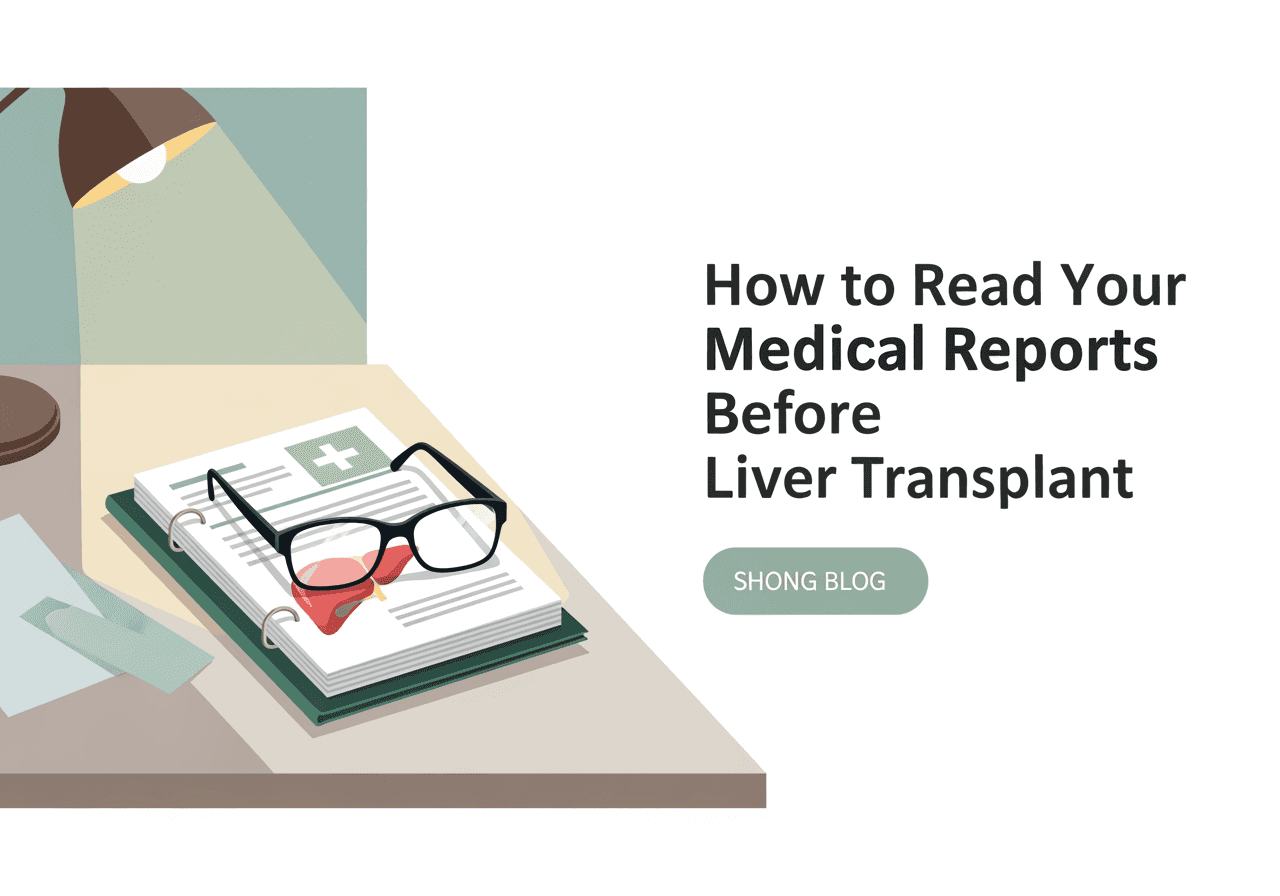
How to Read Your Medical Reports Before Liver Transplant
07 Dec, 2025
 Healthtrip
- Understanding Liver Function Tests: A Prerequisite
- Deciphering Key Lab Results: What to Look For
- Who Can Help You Understand Your Reports?
- When and Where to Get a Second Opinion
- Case Studies: Examples of Report Interpretation
- Questions to Ask Your Doctor at Fortis Escorts Heart Institute or Max Healthcare Saket
- Conclusion
Understanding Liver Function Tests
Liver function tests (LFTs) are a series of blood tests used to evaluate how well your liver is working. Think of them as a report card for your liver, providing a snapshot of its health and functionality. These tests measure various enzymes, proteins, and substances produced or processed by the liver. Elevated levels can indicate damage, inflammation, or other problems. Key LFTs include Alanine Aminotransferase (ALT) and Aspartate Aminotransferase (AST), which are enzymes released into the bloodstream when liver cells are damaged. Elevated bilirubin levels can suggest issues with the liver's ability to process waste. Albumin, a protein made by the liver, is also measured, with low levels potentially indicating chronic liver disease. Understanding these basic tests can pave the way for more informed discussions with specialists at hospitals like Vejthani Hospital or Saudi German Hospital Cairo, Egypt, allowing you to ask targeted questions and gain a clearer picture of your liver's condition.
Most popular procedures in India


Decoding Imaging Reports: Ultrasound, CT Scan, and MRI
Beyond blood tests, imaging plays a crucial role in assessing liver health. Ultrasound, CT scans, and MRI provide visual representations of your liver, helping doctors identify abnormalities such as tumors, cysts, or structural damage. An ultrasound uses sound waves to create images, and it's often the first line of imaging due to its non-invasive nature. CT scans use X-rays to create detailed cross-sectional images, offering a more comprehensive view. MRI, utilizing magnetic fields and radio waves, provides the most detailed images, often used to further investigate findings from other imaging modalities. These reports will describe the size, shape, and texture of your liver, as well as any unusual findings. For example, a report might mention "hepatomegaly" (enlarged liver) or describe the presence of "nodules." Understanding these terms, even at a basic level, can help you prepare for consultations at hospitals like Quironsalud Hospital Murcia or Yanhee International Hospital, making you an active participant in the diagnostic process and allowing you to better understand the need for procedures or possible treatments.
Interpreting Biopsy Results
A liver biopsy involves taking a small sample of liver tissue for microscopic examination. This procedure provides valuable information about the nature and extent of liver damage, helping determine the cause of liver disease and guide treatment decisions. The biopsy report will describe the architecture of the liver tissue, the presence of inflammation or fibrosis (scarring), and any abnormalities in the liver cells. It may also identify the presence of specific pathogens or toxins. Understanding terms like "steatosis" (fatty liver), "cirrhosis" (advanced scarring), or "hepatitis" (liver inflammation) is crucial for comprehending the severity of your condition. If you're considering a second opinion or exploring treatment options with Healthtrip, having a grasp of your biopsy results will empower you to ask informed questions and engage in meaningful conversations with medical professionals at facilities such as Hisar Intercontinental Hospital or Helios Klinikum Erfurt. It allows you to actively participate in shaping your treatment plan and making well-informed decisions about your health journey.

Wellness Treatments
Give yourself the time to relax
Lowest Prices Guaranteed!

Lowest Prices Guaranteed!
Understanding MELD and Child-Pugh Scores
The Model for End-Stage Liver Disease (MELD) and Child-Pugh scores are systems used to assess the severity of chronic liver disease. These scores are crucial for determining your eligibility for a liver transplant. The MELD score uses a mathematical formula incorporating bilirubin, creatinine, and INR (International Normalized Ratio) to predict three-month survival. A higher MELD score indicates more severe liver disease and a higher priority on the transplant list. The Child-Pugh score, on the other hand, assesses factors like ascites (fluid buildup in the abdomen), encephalopathy (brain dysfunction), bilirubin, albumin, and prothrombin time. While MELD is more commonly used, understanding both scores can provide a comprehensive view of your liver's function and your prospects for transplantation. Being familiar with these scores before consulting with transplant specialists at centers such as Mount Elizabeth Hospital or the Fortis Escorts Heart Institute empowers you to understand how your condition is being evaluated and how it impacts your position on the transplant waiting list. It ensures you are well-prepared for discussions about your treatment options and overall prognosis.
Preparing Questions for Your Doctor
Equipped with a basic understanding of your medical reports, the next crucial step is preparing thoughtful questions for your doctor. Don't hesitate to ask for clarification on anything you don't understand. Inquire about the specific implications of your test results, the progression of your liver disease, and potential treatment options. Ask about the benefits and risks of each treatment, including liver transplantation. Understanding the long-term outlook and lifestyle adjustments required after transplant is also vital. Discuss the criteria for liver transplant eligibility and your position on the transplant list. Don't be afraid to seek a second opinion or explore alternative treatments. By preparing insightful questions, you ensure that you receive the information you need to make informed decisions about your health. When you consult with experts facilitated by Healthtrip, you can be confident that you're actively participating in your healthcare journey and armed with the knowledge to navigate the complexities of liver disease and transplantation with greater confidence. Whether you're seeking opinions from specialists at NMC Royal Hospital, DIP, Dubai or exploring cutting-edge treatments elsewhere, informed questions are your best tool.
Understanding Liver Function Tests: A Prerequisite
Embarking on a health journey can often feel like navigating a complex maze, especially when it comes to understanding medical reports. Liver Function Tests (LFTs) are a crucial part of this journey, acting as a window into the health of your liver, one of the body's most vital organs. But what exactly are LFTs, and why are they so important? Think of your liver as the body's tireless workhorse, responsible for a multitude of tasks like filtering toxins from the blood, producing essential proteins, and aiding in digestion. When something goes wrong with the liver, it can impact your overall health significantly. LFTs are a panel of blood tests that measure the levels of various enzymes and proteins produced by the liver. These measurements can help doctors assess the liver's health, detect damage or disease, and monitor the effectiveness of treatment. Understanding the basics of LFTs is the first step towards taking control of your health and making informed decisions about your medical care. Healthtrip can assist in connecting you with expert medical professionals at renowned facilities like Saudi German Hospital Cairo, Egypt, ensuring you receive accurate and reliable interpretations of your LFT results.
Before diving into the specifics of LFT results, it's essential to grasp the scope of what these tests can reveal. LFTs don't just diagnose liver problems; they also provide valuable insights into the severity and progression of liver conditions. For instance, elevated levels of certain liver enzymes might indicate inflammation or damage to liver cells, while abnormal protein levels could suggest impaired liver function. Furthermore, LFTs can help differentiate between various types of liver diseases, such as hepatitis, cirrhosis, and fatty liver disease. This information is crucial for determining the most appropriate course of treatment and managing the condition effectively. At Healthtrip, we understand the importance of comprehensive medical care. We work with trusted hospitals like Vejthani Hospital in Bangkok, Thailand, where experienced hepatologists utilize LFTs as a cornerstone in diagnosing and managing liver disorders, offering both local and international patients access to world-class healthcare services. Having a clear understanding of what LFTs entail empowers you to engage in meaningful conversations with your healthcare provider, ask relevant questions, and actively participate in your own healthcare plan.
Understanding the rationale behind ordering LFTs is just as crucial as understanding the tests themselves. Your doctor might recommend LFTs for a variety of reasons, including screening for liver disease if you have risk factors such as a history of alcohol abuse, obesity, or exposure to hepatitis viruses. LFTs are also routinely performed as part of a general health check-up or before starting certain medications that can potentially affect the liver. If you're experiencing symptoms like jaundice (yellowing of the skin and eyes), abdominal pain, fatigue, or nausea, your doctor will likely order LFTs to investigate the underlying cause. Moreover, LFTs are used to monitor the progress of existing liver conditions and assess the effectiveness of ongoing treatments. The frequency of LFTs will depend on your individual circumstances and the specific condition being monitored. Remember, early detection and timely intervention are key to managing liver diseases effectively. Healthtrip is dedicated to providing you with access to the best possible medical care, and we can connect you with reputable hospitals like NMC Specialty Hospital, Al Nahda, Dubai, where comprehensive LFT testing and expert consultations are readily available.
Deciphering Key Lab Results: What to Look For
Now that you understand the fundamental role of Liver Function Tests, let's dive into the heart of the matter: deciphering the actual lab results. This can often feel like trying to read a foreign language, but with a little guidance, you can gain a much clearer picture of what those numbers mean. LFT reports typically include a panel of different tests, each measuring a specific enzyme or protein related to liver function. The most common tests include Alanine Transaminase (ALT), Aspartate Transaminase (AST), Alkaline Phosphatase (ALP), Bilirubin (total and direct), and Albumin. Each of these markers provides valuable clues about the health of your liver, and understanding their individual roles is essential for interpreting the overall results. Remember, normal ranges for these tests can vary slightly depending on the laboratory, so it's always best to refer to the specific reference range provided on your lab report. Healthtrip is here to support you in navigating these complexities, connecting you with trusted healthcare providers at facilities like Fortis Shalimar Bagh, where experienced medical professionals can provide clear and concise explanations of your LFT results.
Let's take a closer look at some of the key LFT markers and what elevated or decreased levels might indicate. ALT and AST are enzymes primarily found in liver cells, and elevated levels of these enzymes often signal liver cell damage or inflammation. High ALT levels are generally more specific to liver damage than AST, which can also be elevated in other conditions such as muscle injury. ALP is an enzyme found in the liver, bones, and bile ducts, and elevated levels can indicate liver disease, bile duct obstruction, or bone disorders. Bilirubin is a yellow pigment produced during the breakdown of red blood cells, and elevated levels can cause jaundice and indicate liver damage or impaired bile flow. Albumin is a protein produced by the liver, and low levels can suggest chronic liver disease or malnutrition. Interpreting LFT results requires considering the entire panel of tests, as well as your medical history and symptoms. For example, a slightly elevated ALT level in an otherwise healthy individual might not be cause for concern, while significantly elevated ALT and AST levels accompanied by jaundice would warrant further investigation. Healthtrip understands that interpreting lab results can be daunting, and we are committed to providing you with access to the medical expertise you need. We can connect you with specialists at hospitals like Bangkok Hospital, where advanced diagnostic tools and experienced clinicians are readily available.
It's crucial to remember that LFT results are just one piece of the puzzle when it comes to assessing your liver health. Your doctor will consider your medical history, physical examination findings, and other relevant tests to arrive at a comprehensive diagnosis. For example, if your LFTs are abnormal, your doctor might order additional tests such as an ultrasound, CT scan, or liver biopsy to further investigate the cause of the problem. In some cases, lifestyle factors such as alcohol consumption, diet, and medications can also affect LFT results. It's important to be honest with your doctor about your lifestyle habits and any medications or supplements you're taking. Furthermore, certain medical conditions such as heart failure, thyroid disorders, and autoimmune diseases can also impact LFTs. Therefore, a thorough medical evaluation is essential for accurate interpretation of LFT results. Healthtrip is your trusted partner in navigating the complexities of healthcare. We can connect you with leading hospitals like Max Healthcare Saket, where a multidisciplinary team of specialists will work together to provide you with personalized care and accurate diagnoses. Remember, your health is your most valuable asset, and we are here to support you every step of the way.
Who Can Help You Understand Your Reports?
Navigating the world of medical reports can often feel like trying to decipher an ancient scroll. The numbers, abbreviations, and medical jargon can be overwhelming, leaving you feeling confused and anxious. That's where healthcare professionals come in. They are the interpreters of this medical language, equipped with the knowledge and experience to translate your LFT results into understandable information. Your primary care physician is a great starting point. They have a broad understanding of your overall health and can put your LFT results into context, considering your medical history, lifestyle, and any symptoms you may be experiencing. However, in some cases, your primary care physician may refer you to a specialist for further evaluation. Healthtrip recognizes the importance of having access to the right medical expertise. We can assist you in finding qualified healthcare professionals at reputable facilities like Memorial Bahçelievler Hospital, ensuring you receive accurate and personalized interpretations of your LFT reports.
For more complex liver issues, a hepatologist, a doctor specializing in liver diseases, is the ideal healthcare provider. Hepatologists have extensive knowledge and experience in diagnosing and managing a wide range of liver conditions, from hepatitis and cirrhosis to fatty liver disease and liver cancer. They can perform specialized tests, interpret complex LFT results, and develop tailored treatment plans based on your individual needs. Another valuable resource is a registered dietitian or nutritionist, especially if your LFT results indicate fatty liver disease or other lifestyle-related liver conditions. A dietitian can help you develop a healthy eating plan to support liver health, reduce inflammation, and manage your weight. Remember, seeking guidance from qualified healthcare professionals is essential for understanding your LFT reports and making informed decisions about your health. Healthtrip is committed to connecting you with the best possible medical care, and we can help you find experienced hepatologists and dietitians at leading hospitals like Hisar Intercontinental Hospital, ensuring you receive comprehensive and compassionate care.
Beyond doctors and dietitians, pharmacists can also play a crucial role in helping you understand your LFT reports. Many medications, both prescription and over-the-counter, can affect liver function, and pharmacists can identify potential drug interactions or side effects that might be contributing to abnormal LFT results. They can also advise you on how to safely take medications to minimize the risk of liver damage. It's important to keep your pharmacist informed about all the medications and supplements you're taking, including herbal remedies, as these can also interact with your liver. In addition to healthcare professionals, support groups and online forums can provide valuable information and emotional support. Connecting with others who have similar liver conditions can help you feel less alone and provide you with practical tips and advice for managing your health. However, it's important to rely on credible sources of information and to discuss any concerns or questions with your healthcare provider. Healthtrip is dedicated to empowering you with the knowledge and resources you need to take control of your health, and we can connect you with reputable healthcare providers and support networks. We understand that understanding your LFT reports is just the first step, and we are here to support you throughout your healthcare journey.
Also Read:
When and Where to Get a Second Opinion
Navigating the healthcare system can feel overwhelming, especially when you’re dealing with complex issues like liver health. Receiving a liver function test (LFT) report that raises concerns can lead to anxiety and uncertainty. It's during these times that seeking a second opinion can be incredibly beneficial. A second opinion offers a fresh perspective, potentially uncovering alternative diagnoses, treatment options, or even simply providing reassurance that the initial assessment was accurate. Think of it as getting a different set of eyes to review the same information, which can be particularly valuable when dealing with nuanced medical conditions. Don't hesitate to advocate for your health and seek additional expert advice; it’s your right as a patient. Healthtrip can assist you in finding the right specialists and hospitals to make informed decisions about your healthcare journey.
When considering a second opinion, timing is crucial. If your LFT results are significantly abnormal or if you're experiencing persistent symptoms, don't delay seeking further evaluation. A prompt second opinion can help expedite diagnosis and treatment, potentially preventing further complications. But where should you go to get this second opinion? Institutions like Fortis Escorts Heart Institute and Max Healthcare Saket in New Delhi are renowned for their gastroenterology departments and offer comprehensive liver care services. You might also consider hospitals abroad, such as Saudi German Hospital Cairo, Egypt, which is known for its advanced medical facilities and experienced specialists. Healthtrip can facilitate consultations at these hospitals, connecting you with expert hepatologists who can review your case and provide a thorough assessment. Remember, the goal is to feel confident and empowered about your health decisions.
The process of obtaining a second opinion through Healthtrip is designed to be seamless and stress-free. We understand the challenges of navigating the healthcare system, especially when dealing with geographical limitations or language barriers. Healthtrip can help you gather all the necessary medical records, including your LFT reports, imaging studies, and clinical history, and translate them if necessary. We then connect you with a suitable specialist at a reputable hospital like Fortis Hospital, Noida, or even arrange a virtual consultation with a specialist at a hospital abroad, such as Yanhee International Hospital in Thailand. This ensures you receive timely and expert advice regardless of your location. Furthermore, Healthtrip can provide guidance on travel arrangements and accommodation, making the entire process as convenient as possible. We believe everyone deserves access to the best possible medical care, and we are committed to removing the obstacles that stand in your way.
Also Read:
Case Studies: Examples of Report Interpretation
Let's delve into some real-world scenarios to illustrate how liver function test (LFT) reports can be interpreted and what actions might follow. These case studies are simplified for clarity, but they highlight the importance of collaborating with your doctor and seeking expert advice, potentially through a service like Healthtrip. Remember, every individual's health journey is unique, and these examples shouldn't be used for self-diagnosis.
Case Study 1: Imagine a 45-year-old woman, let's call her Priya, who's been feeling fatigued and experiencing mild abdominal discomfort. Her LFT report reveals elevated levels of alanine transaminase (ALT) and aspartate transaminase (AST), both key indicators of liver inflammation. The doctor, after considering Priya's medical history and lifestyle, suspects non-alcoholic fatty liver disease (NAFLD). He advises Priya to undergo further imaging tests, such as an ultrasound, to assess the extent of fat accumulation in her liver. Additionally, he recommends lifestyle modifications, including a balanced diet and regular exercise. If Priya were seeking a second opinion, Healthtrip could connect her with a specialist at Max Healthcare Saket, who could review her case and suggest additional diagnostic tests or alternative treatment options. Maybe there's a clinical trial she could participate in or a more nuanced dietary approach that would better suit her needs. The key takeaway here is that elevated liver enzymes require investigation and a tailored approach.
Case Study 2: Now, let's consider a 60-year-old man, Rajesh, who has a history of heavy alcohol consumption. His LFT report shows significantly elevated levels of gamma-glutamyl transferase (GGT) and bilirubin, along with slightly elevated ALT and AST. Given Rajesh's history, the doctor suspects alcohol-related liver disease. He strongly advises Rajesh to abstain from alcohol and refers him to a gastroenterologist for further evaluation. The gastroenterologist may recommend a liver biopsy to assess the severity of the liver damage. In this scenario, a second opinion might be beneficial to explore options like liver support medications or even to discuss the possibility of a liver transplant in severe cases. Healthtrip could facilitate a consultation with a transplant specialist at Fortis Memorial Research Institute, Gurgaon, to discuss all available options and provide Rajesh with a comprehensive understanding of his prognosis and treatment plan. This ensures Rajesh is fully informed and empowered to make the best decisions for his health.
Case Study 3: Finally, imagine a 28-year-old woman, Anika, who recently started a new medication for acne. Her LFT report shows a mild elevation in ALT and AST. The doctor suspects drug-induced liver injury. He advises Anika to discontinue the medication and monitors her LFTs closely. In most cases of drug-induced liver injury, the liver enzymes return to normal after stopping the offending medication. However, if the liver enzymes remain elevated or if Anika develops other symptoms, further investigation may be necessary. A service like Healthtrip can provide Anika with access to specialists who have experience managing drug-induced liver injury, potentially offering alternative medications or therapies to minimize liver damage from acne treatment. Perhaps a dermatologist at Saudi German Hospital Alexandria, Egypt, could provide a fresh perspective on acne management. The goal is to find a balance between treating the underlying condition and protecting the liver.
Also Read:
Questions to Ask Your Doctor at Fortis Escorts Heart Institute or Max Healthcare Saket
Preparing for your appointment with a doctor at a reputable institution like Fortis Escorts Heart Institute or Max Healthcare Saket is crucial for getting the most out of your consultation. When discussing your liver function test (LFT) results, going in armed with specific questions not only demonstrates your engagement in your health but also ensures you receive the comprehensive information you need to make informed decisions. Let's explore some key questions you should consider asking your doctor, keeping in mind you can always leverage Healthtrip to get further clarity or a second opinion if needed.
First and foremost, it's essential to understand the specific abnormalities in your LFT results. Ask your doctor: "Can you explain which of my liver enzyme levels are elevated or abnormal, and what do these specific abnormalities indicate about my liver health?" This question encourages your doctor to provide a detailed explanation of each marker, such as ALT, AST, alkaline phosphatase, bilirubin, and albumin. Understanding which markers are out of range and what they signify will give you a clearer picture of the potential issues affecting your liver. Furthermore, inquire about the possible causes of these abnormalities. Ask: "What are the potential causes of these abnormal liver function test results? Are they related to lifestyle factors, medications, underlying medical conditions, or infections?" This question prompts your doctor to consider various factors that could be contributing to your liver problems, ensuring a thorough investigation. Perhaps it's a side effect of a medication you're taking, or it could be related to your diet or alcohol consumption. Understanding the root cause is essential for developing an effective treatment plan.
Moving beyond the diagnosis, it's important to discuss the next steps in your evaluation and treatment. Ask: "What further tests or investigations do you recommend to determine the underlying cause of my abnormal liver function? Should I undergo imaging studies, such as an ultrasound or MRI, or do I need a liver biopsy?" This question ensures that you're actively involved in the diagnostic process and that you're aware of the potential need for further testing. Liver biopsies, while sometimes daunting, can provide valuable information about the extent of liver damage. Also, be sure to discuss the treatment options available to you. Ask: "What treatment options are available for my condition, and what are the potential benefits and risks of each treatment? Are there any lifestyle modifications I can make to improve my liver health?" This question opens the door to a discussion about various treatment approaches, which may include medication, lifestyle changes, or even more advanced interventions in severe cases. Remember, lifestyle modifications, such as weight loss and regular exercise, can often play a significant role in improving liver health, especially in cases of fatty liver disease.
Finally, don't hesitate to address your concerns about the long-term implications of your liver condition. Ask: "What is the long-term prognosis for my condition, and what steps can I take to prevent further liver damage? How often should I have my liver function tested in the future?" This question helps you understand the potential future impact of your liver problems and the importance of ongoing monitoring. Regular follow-up appointments and LFTs are essential for tracking your progress and detecting any changes in your liver health. If you feel overwhelmed or unsure about the information you receive, remember that Healthtrip can connect you with other specialists for a second opinion or provide additional resources to help you better understand your condition. Seeking clarification and support is crucial for navigating your healthcare journey with confidence.
Also Read:
Conclusion
Interpreting liver function test (LFT) reports can initially seem like deciphering a complex code, but with the right knowledge and support, it becomes a manageable process. Understanding the key markers, their normal ranges, and the potential implications of abnormal results empowers you to actively participate in your healthcare journey. Remember, LFTs are just one piece of the puzzle, and a comprehensive evaluation by a qualified healthcare professional is crucial for accurate diagnosis and appropriate management. By being informed, asking the right questions, and seeking second opinions when needed, you can ensure that you receive the best possible care for your liver health.
Moreover, don't hesitate to explore the resources available through Healthtrip to enhance your understanding and access expert guidance. Navigating the complexities of medical information and healthcare systems can be overwhelming, especially when dealing with concerns about your liver. Healthtrip can connect you with experienced specialists at renowned institutions like Fortis Escorts Heart Institute and Max Healthcare Saket, providing you with access to expert opinions and personalized treatment plans. Whether you're seeking a second opinion, need assistance with medical translations, or require help coordinating travel arrangements for medical consultations, Healthtrip is dedicated to supporting you every step of the way. Your liver health is a vital component of your overall well-being, and taking proactive steps to understand and manage it can significantly improve your quality of life. Healthtrip can also assist in finding specialized care abroad, connecting you with hospitals like Saudi German Hospital Cairo, Egypt, known for their advanced gastroenterology departments. This ensures you have access to a wide range of treatment options and expertise, regardless of your location.
Ultimately, remember that you are not alone in this journey. Millions of people worldwide face liver-related challenges, and seeking support from healthcare professionals, support groups, and online resources can make a significant difference. Empower yourself with knowledge, advocate for your health, and take proactive steps to protect your liver. Services like Healthtrip are designed to bridge the gap between patients and healthcare providers, ensuring that you receive the personalized care and support you deserve. Stay informed, stay proactive, and prioritize your liver health for a brighter and healthier future.
Related Blogs

Why Second Opinions Matter Before Eye Surgery Doctors Explain
Deep medical insights, treatment comparisons, safety standards, and technological updates

International Patients' Guide to Understanding Eye Surgery Terminology
Deep medical insights, treatment comparisons, safety standards, and technological updates

How Healthtrip Ensures Patient Safety During Eye Surgery Procedures
Deep medical insights, treatment comparisons, safety standards, and technological updates

Choosing Between Treatment Options for Eye Surgery
Deep medical insights, treatment comparisons, safety standards, and technological updates
How to Read Your Medical Reports Before Eye Surgery
Deep medical insights, treatment comparisons, safety standards, and technological updates

Breakthrough Medical Technologies Transforming Eye Surgery in India
Deep medical insights, treatment comparisons, safety standards, and technological updates