Hip Replacement Surgery in India: Recovery Timeline
05 Feb, 2026
 Healthtrip
- Why Choose India for Hip Replacement Surgery?
- Understanding the Hip Replacement Procedure
- The Initial Recovery Phase: Hospital Stay and First Weeks < li>Rehabilitation and Milestones: Weeks to Months Post-Surgery
- Selecting Top Hospitals for Hip Replacement in India
- Life After Hip Replacement: Long-Term Outlook and Care
The persistent, gnawing ache in your hip can steal the vibrancy from life, turning once-simple activities into daunting challenges. This pain often leads to a brave, life-changing decision: hip replacement surgery, a crucial step to regain mobility and embrace a future free from discomfort. You've likely exhausted other options, realizing a new hip offers the most definitive path to a revitalized existence. India, now a top global destination for high-quality, affordable medical care, attracts many international patients for this transformative procedure. But once surgery is planned, a crucial question quickly arises: "What does the recovery journey truly involve?" Understanding this detailed timeline is essential to turn apprehension into confident preparation. Healthtrip is dedicated to illuminating every step of your healing process, guiding you through the typical recovery timeline for hip replacement surgery in India, and connecting you with esteemed hospitals like Fortis Memorial Research Institute, Gurgaon, or Max Healthcare Saket. We ensure your path back to a full, active life is as smooth and supported as possible, offering clarity and reassurance through every phase.
Most popular procedures in India

Why Choose India for Hip Replacement Surgery?
Imagine waking up each morning to a persistent ache, a dull throb that makes every step a chore, every simple movement a testament to your endurance. For many, this is the daily reality of severe hip pain, often caused by arthritis or injury, severely impacting quality of life. When conservative treatments no longer suffice, hip replacement surgery emerges as a beacon of hope, promising a return to mobility and a life free from incapacitating pain. But where do you turn for such a significant procedure? Increasingly, international patients are looking towards India, and for good reason. Healthtrip recognizes this trend, connecting individuals from across the globe with world-class orthopedic care that doesn’t break the bank.

Wellness Treatments
Give yourself the time to relax
Lowest Prices Guaranteed!

Lowest Prices Guaranteed!
India has carved out an impressive reputation as a leading destination for medical tourism, particularly for complex orthopedic procedures like hip replacement. This isn't just about affordability, although the cost savings compared to Western countries are indeed significant – often 50-70% less without compromising quality. It's about access to highly skilled, internationally trained surgeons who perform a high volume of these surgeries, leading to exceptional outcomes. Hospitals such as Fortis Shalimar Bagh, Fortis Hospital, Noida, Fortis Memorial Research Institute, Gurgaon, and Max Healthcare Saket, among others, are equipped with state-of-the-art diagnostic and surgical technology, including robotic-assisted surgery for precision. Patients receive personalized care in modern facilities that rival the best globally, ensuring a comfortable and confident journey toward recovery. Healthtrip streamlines this entire process, from finding the right doctor and hospital to managing travel logistics and accommodation, making your medical trip as smooth and stress-free as possible.
Understanding the Hip Replacement Procedure
The thought of undergoing major surgery can understandably bring a whirlwind of emotions – anxiety, hope, and perhaps a touch of fear. Let's demystify hip replacement, or total hip arthroplasty, so you know exactly what to expect on your path to recovery. Essentially, this procedure involves removing the damaged bone and cartilage from your hip joint and replacing them with prosthetic components. Think of it like a meticulous engineering project for your body, designed to restore function and eliminate pain. Before the big day, you'll have comprehensive consultations with your orthopedic surgeon, where they’ll meticulously evaluate your condition, discuss different types of implants (metal-on-plastic, ceramic-on-ceramic, etc.), and outline the surgical plan tailored just for you. This is your chance to ask every question, ensuring you feel completely informed and comfortable.
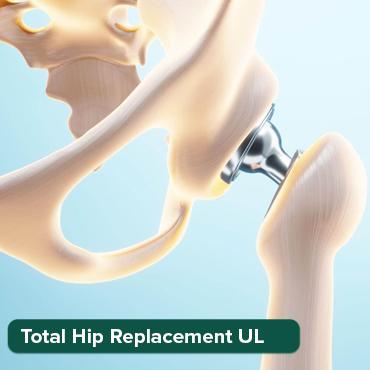
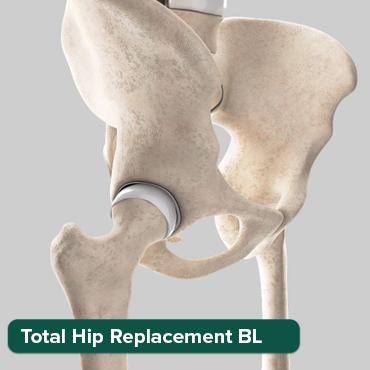
During the surgery, which typically takes a few hours, the surgeon makes an incision to access the hip joint. They carefully remove the damaged femoral head (the "ball" of the joint) and resurface the acetabulum (the "socket"). A new artificial socket is then implanted into your pelvis, and a prosthetic ball, usually attached to a metal stem, is inserted into your thigh bone. These components are designed to work together seamlessly, mimicking the natural movement of a healthy hip. Anesthesia ensures you won't feel a thing, and the surgical team monitors your vital signs every step of the way, prioritizing your safety above all else. While the procedure might sound intricate, it's a routine surgery for experienced orthopedic specialists at Healthtrip's partner hospitals in India, who perform hundreds of these operations annually with outstanding success rates. The goal is simple yet profound: to give you back the freedom to move without the agony that has held you captive.
The Initial Recovery Phase: Hospital Stay and First Weeks
The surgery is over, and a new chapter in your life begins! The initial recovery phase is crucial, marking the very first steps toward regaining your independence. Immediately after surgery, you’ll spend a day or two in the hospital, where the focus will be on managing any post-operative pain and preventing complications. Don't worry, the medical team is incredibly adept at keeping you comfortable with pain medication, allowing you to focus on healing. Physical therapy usually begins almost immediately, often within hours of waking up from anesthesia. Yes, you read that right – gentle movements and exercises are essential to kick-start your recovery, reduce swelling, and get that new hip working correctly. It might feel a bit daunting at first, but remember, every small movement is a victory, a step closer to your former self.
Your hospital stay will generally last from three to five days, depending on your individual progress and the type of surgery. During this time, physical therapists will guide you through exercises to strengthen your hip and leg muscles and teach you safe ways to move, get in and out of bed, and use assistive devices like walkers or crutches. Before you're discharged, the medical team will provide detailed instructions for home care, including wound care, medication schedules, and a tailored exercise program. The first few weeks at home are a period of continued healing and gradual improvement. You’ll continue your exercises diligently, focusing on building strength and flexibility. While you’ll need to adjust to certain precautions, such as avoiding extreme hip movements or crossing your legs, these become second nature quickly. Healthtrip ensures that international patients have appropriate follow-up care arrangements and support, even after returning home, making your recovery journey as smooth and supported as possible. Remember, patience is your best friend during this time, and celebrating small achievements along the way will keep your spirits high. You're doing great!
Also Read:
Rehabilitation and Milestones: Weeks to Months Post-Surgery
The journey to reclaiming your mobility after hip replacement surgery begins the moment you wake up from the procedure. It's an inspiring path, but let's be honest, it requires immense dedication and a sprinkle of good humor! The initial days are all about gentle movements, often with the help of a walking aid, guided by a compassionate physical therapist. Think of them as your personal cheerleaders, pushing you just enough to make progress without overdoing it. At Healthtrip, we understand that recovery isn't just physical; it's a mental game too. You'll learn how to get in and out of bed, climb stairs (slowly at first!), and navigate daily tasks with your new hip. This phase, typically within the first few weeks, is crucial for building foundational strength and confidence. It's a time of listening intently to your body, celebrating small victories like walking a few extra steps, and patiently accepting that some days will feel easier than others. Remember, every step you take is a step towards a healthier, more active you.
As weeks turn into months, your rehabilitation program will evolve, becoming more challenging and rewarding. You'll gradually reduce your reliance on walking aids and begin to incorporate exercises designed to strengthen the muscles around your new hip. This is where the magic truly happens – regaining balance, flexibility, and endurance. It’s not just about pushing weights; it’s about relearning how your body moves and trusting its new capabilities. Your physical therapist will work closely with you, tailoring exercises to your individual progress and goals. Healthtrip connects you with rehabilitation centers that prioritize personalized care, ensuring you have the best support system to achieve your maximum potential. Many patients describe this period as a transformative experience, where they slowly shed the limitations that pain once imposed, rediscovering simple joys like a long walk or dancing. Patience remains your best friend; consistency in your exercises, even on days you don't feel like it, is key to unlocking a truly successful recovery.
Selecting Top Hospitals for Hip Replacement in India
Choosing the right hospital for hip replacement surgery is a pivotal decision, akin to picking the perfect team for a momentous journey. India has emerged as a global leader in medical tourism, particularly for orthopedic procedures, offering a compelling blend of world-class medical expertise, advanced technology, and significantly lower costs compared to Western countries. Imagine receiving care from highly skilled surgeons who perform hundreds of these procedures annually, utilizing state-of-the-art diagnostic and surgical equipment, all while experiencing warm, empathetic care. Healthtrip acts as your trusted navigator, streamlining this entire process. We meticulously vet hospitals and connect you with institutions known for their excellence in orthopedics, ensuring you have access to the best possible care without the hassle of navigating foreign medical systems on your own. Our goal is to empower you with choices, providing transparent information so you can make an informed decision with complete peace of mind, knowing every detail has been handled.
When considering hospitals in India for your hip replacement, you'll find names like Fortis Memorial Research Institute, Gurgaon (https://www.healthtrip.com/hospital/fortis-memorial-research-institute), Max Healthcare Saket (https://www.healthtrip.com/hospital/max-healthcare-saket), Fortis Hospital, Noida (https://www.healthtrip.com/hospital/fortis-hospital-noida), and Fortis Shalimar Bagh (https://www.healthtrip.com/hospital/fortis-shalimar-bagh). These facilities boast internationally accredited standards, cutting-edge operating theaters, and a multidisciplinary team of orthopedic surgeons, anesthesiologists, and rehabilitation specialists. Beyond the impressive infrastructure, it's the personalized care and the human touch that truly set these hospitals apart. Healthtrip helps you compare factors like surgeon's experience in specific types of hip replacements, hospital success rates, patient reviews, and comprehensive post-operative care packages. We ensure that your choice aligns not just with your medical needs but also with your personal comfort and recovery preferences, making your medical journey in India as smooth and worry-free as possible from consultation to discharge and beyond.
Also Read:
Life After Hip Replacement: Long-Term Outlook and Care
The ultimate goal of hip replacement surgery is not just to alleviate pain, but to restore your quality of life, allowing you to embrace activities you once thought impossible. Many patients describe feeling like they've been given a new lease on life, freed from the debilitating constant ache that once dictated their every move. While your new hip is incredibly durable, it's important to remember it's still a carefully engineered marvel that benefits from ongoing care and attention. Long-term success hinges on maintaining a healthy weight, avoiding high-impact sports that could stress the joint, and continuing with a regular, moderate exercise routine. Think of it as a partnership with your new joint: treat it well, and it will serve you faithfully for many years to come, enabling you to walk, swim, cycle, and enjoy life's simple pleasures without discomfort.
Regular follow-up appointments with your orthopedic surgeon are essential to monitor the health of your hip replacement and address any potential concerns promptly. These check-ups, often yearly after the initial recovery, ensure that your artificial joint is functioning optimally and identify any wear or issues early on. Beyond medical appointments, cultivating a mindset of proactive well-being is vital. This includes a balanced diet, adequate hydration, and listening to your body's signals – knowing when to rest and when to push gently forward. Healthtrip believes in holistic health, offering resources and support to help you navigate this long-term journey. With proper care and a positive attitude, your hip replacement can be a truly transformative experience, allowing you to stride confidently into a future filled with renewed energy and the freedom to pursue your passions without the shadow of chronic pain.
Related Blogs

Medical Tourism in Delhi: Top Hospitals and Specialists
Healthcare hub for international patients
Robotic Surgery in India: Minimally Invasive Options
Advanced surgical technology for better outcomes
Kidney Transplant in India: Donor Programs and Success
Renal replacement therapy at leading hospitals
Neurosurgery in India: Brain and Spine Specialists
Advanced neurological care for complex conditions
Bariatric Surgery in India: Weight Loss Solutions
Life-changing obesity treatments in Indian hospitals
Dental Tourism in India: Complete Smile Makeovers
Affordable dental procedures with quality results