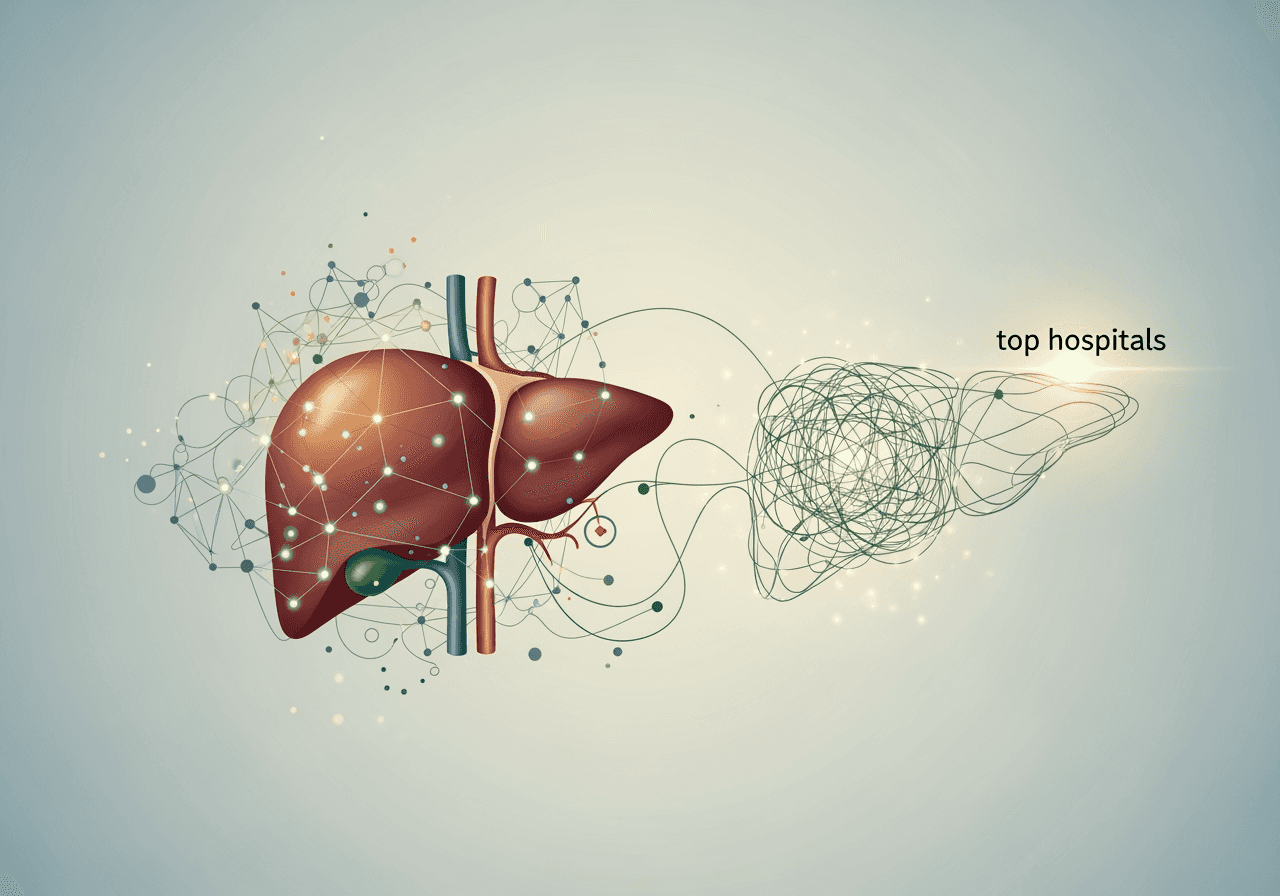
Common Complications in Liver Transplant and How Top Hospitals Prevent Them
07 Dec, 2025
 Healthtrip
- Bile Duct Complications: Where, Why, and Solutions
- Vascular Complications Post-Liver Transplant: Risks and Prevention Strategies at Fortis Memorial Research Institute, Gurgaon
- Infections After Transplant: A Global Concern and Control Measures at Saudi German Hospital Cairo, Egypt < li>Organ Rejection: Understanding the Types and Immunosuppression Protocols in Vejthani Hospital
- Primary Graft Dysfunction (PGD): Early Identification and Management at Memorial Sisli Hospital
- Long-Term Complications and Surveillance: Ensuring a Healthy Future After Liver Transplant at Singapore General Hospital
- Conclusion: Optimizing Outcomes in Liver Transplantation
Common Complications After Liver Transplant
The period following a liver transplant is a delicate balancing act. While the new liver offers a chance at a healthier future, the body's immune system may perceive it as a foreign invader, leading to rejection. This can manifest in various ways, from mild inflammation to more severe damage that compromises the liver's function. Infections are another significant concern, as the immunosuppressant medications necessary to prevent rejection also weaken the body's defenses against bacteria, viruses, and fungi. Biliary complications, such as bile leaks or strictures (narrowing of the bile ducts), can also occur, disrupting the flow of bile and potentially leading to jaundice or infection. Furthermore, vascular complications, such as blood clots in the hepatic artery or portal vein, can compromise blood supply to the new liver. These potential complications underscore the importance of diligent monitoring and prompt intervention by experienced medical teams. At Healthtrip, we recognize the anxieties surrounding these possibilities and connect you with hospitals like Memorial Bahçelievler Hospital known for their comprehensive post-transplant care and expertise in managing these challenges, ensuring you're in the safest hands possible.
Most popular procedures in India


Infection Prevention Strategies
Combating infection after a liver transplant requires a multifaceted approach. Top hospitals prioritize stringent hygiene protocols, including meticulous handwashing practices for both staff and visitors, as well as careful sterilization of equipment. Prophylactic medications, such as antibiotics and antivirals, are often prescribed to prevent common infections, particularly during the early post-transplant period when the immune system is most suppressed. Regular screening for infections, including blood tests and imaging studies, allows for early detection and prompt treatment. Patient education plays a crucial role, empowering individuals to recognize the signs and symptoms of infection and to adhere to prescribed medications and lifestyle recommendations. Leading facilities, such as Singapore General Hospital, implement robust infection control programs that are continuously updated based on the latest scientific evidence. Healthtrip partners with these hospitals to ensure that patients have access to the most advanced infection prevention strategies, minimizing the risk of complications and promoting a smoother recovery. It's like having a team of vigilant guardians watching over you, ensuring that every precaution is taken to safeguard your health.

Wellness Treatments
Give yourself the time to relax
Lowest Prices Guaranteed!

Lowest Prices Guaranteed!
Managing Rejection Effectively
Rejection is a major concern after liver transplantation, but with advancements in immunosuppression and monitoring, it's increasingly manageable. Immunosuppressant medications are the cornerstone of rejection prevention, carefully calibrated to suppress the immune system's response without making the patient overly vulnerable to infection. Regular blood tests, including liver function tests and drug levels, are essential for monitoring the effectiveness of immunosuppression and detecting early signs of rejection. In some cases, a liver biopsy may be necessary to confirm the diagnosis. If rejection occurs, treatment typically involves adjusting the immunosuppressant regimen or administering additional medications, such as steroids or monoclonal antibodies. Hospitals like Fortis Hospital, Noida, have specialized transplant teams experienced in managing complex rejection cases. Healthtrip facilitates access to these centers of excellence, ensuring that patients receive personalized immunosuppression strategies and prompt intervention to preserve the function of their transplanted liver. Think of it as having a skilled conductor leading an orchestra, carefully adjusting the instruments to create a harmonious balance and prevent discord.
Addressing Biliary and Vascular Complications
Biliary and vascular complications require swift and precise intervention to prevent serious consequences. Biliary strictures or leaks can often be addressed using endoscopic techniques, such as balloon dilation or stent placement, to restore bile flow. In more complex cases, surgical repair may be necessary. Vascular complications, such as hepatic artery thrombosis, require immediate intervention to restore blood supply to the liver. This may involve thrombolysis (dissolving the clot) or surgical reconstruction of the blood vessel. Regular imaging studies, such as ultrasound and CT scans, are crucial for detecting these complications early. Centers like Quironsalud Hospital Murcia employ advanced imaging and interventional techniques to diagnose and treat biliary and vascular problems promptly. Healthtrip connects you with hospitals equipped with state-of-the-art facilities and experienced interventional radiologists and surgeons, ensuring that you receive timely and effective care. It's like having a team of skilled mechanics ready to fix any potential roadblocks in your liver's highway, ensuring smooth traffic flow and optimal function. Even something like Yanhee International Hospital could be a good option for certain specialized biliary-related problems.
Long-Term Monitoring and Care
Long-term monitoring is paramount for ensuring the continued success of a liver transplant. Regular follow-up appointments with the transplant team are essential for monitoring liver function, immunosuppressant levels, and overall health. Lifestyle modifications, such as a healthy diet, regular exercise, and avoidance of alcohol and tobacco, play a crucial role in maintaining liver health. Patients also need to be vigilant about protecting themselves from infections and adhering to prescribed medications. Transplant centers like NMC Specialty Hospital, Abu Dhabi, offer comprehensive long-term care programs tailored to the individual needs of each patient. Healthtrip provides ongoing support and resources to help patients navigate the long-term challenges of living with a liver transplant, promoting a healthy and fulfilling life. We believe that a liver transplant is not just a procedure, but a journey, and we're committed to walking alongside you every step of the way, providing the support and guidance you need to thrive. Think of us as your dedicated co-pilot, navigating the skies together, ensuring a smooth and safe journey for years to come.
Bile Duct Complications: Where, Why, and Solutions
Imagine your liver as a diligent worker, constantly producing bile, a crucial digestive fluid. Now, picture the bile ducts as the intricate highway system designed to transport this precious fluid to your gallbladder and small intestine. After a liver transplant, this highway system can sometimes experience unexpected traffic jams, leading to what we call bile duct complications. These complications can arise in various forms, such as leaks (where bile escapes the ducts), strictures (narrowing of the ducts), or even blockages. Why does this happen? Well, the surgical process itself can sometimes cause trauma to these delicate ducts. Furthermore, the body's natural healing response can lead to scar tissue formation, which, unfortunately, can contribute to narrowing or blockage. Ischemia, or insufficient blood supply to the ducts during or after surgery, can also play a role. Early detection and prompt management are key to addressing these issues effectively. Healthtrip understands the importance of connecting you with expert medical professionals who can diagnose and manage these complications with precision and care, ensuring a smoother recovery journey.
Types of Bile Duct Complications
Let's delve deeper into the specific types of bile duct complications that can occur post-liver transplant. Bile leaks, as the name suggests, involve the leakage of bile from the surgical site or the bile ducts themselves. This can lead to abdominal pain, fever, and even peritonitis, a serious infection of the abdominal lining. Strictures, on the other hand, refer to the narrowing of the bile ducts, which can impede the flow of bile and cause jaundice (yellowing of the skin and eyes), abdominal pain, and elevated liver enzymes. Blockages, often caused by stones or sludge, can completely obstruct the flow of bile, leading to similar symptoms as strictures but potentially more severe. Cholangitis, an infection of the bile ducts, can develop as a result of any of these complications. Recognizing the specific type of complication is crucial for tailoring the appropriate treatment strategy. With Healthtrip, you can access a network of specialized healthcare providers who possess the expertise to accurately diagnose and effectively manage these diverse bile duct issues, mitigating potential risks and promoting optimal outcomes.
Solutions and Management
When it comes to tackling bile duct complications after a liver transplant, a range of solutions are available, often tailored to the specific type and severity of the issue. For bile leaks, non-operative management, such as drainage using image-guided catheters, can be sufficient in some cases. However, more significant leaks might necessitate surgical intervention to repair the damaged duct. Strictures are commonly addressed through endoscopic procedures like balloon dilation, where a small balloon is inflated within the duct to widen the narrowed area. In more severe or recurrent cases, surgical reconstruction of the bile ducts may be required. Blockages are typically managed endoscopically by removing the obstructing stones or sludge. In cases of cholangitis, antibiotics are crucial to combat the infection, along with addressing the underlying cause of the blockage or stricture. Healthtrip can connect you with leading hospitals and specialists experienced in these advanced techniques, providing personalized treatment plans and comprehensive care to restore proper bile flow and improve your overall well-being. Remember, early intervention is often the key to successful management and improved long-term outcomes.
Vascular Complications Post-Liver Transplant: Risks and Prevention Strategies at Fortis Memorial Research Institute, Gurgaon
Think of the liver as a bustling city, and the blood vessels as its intricate network of roads and highways, vital for delivering essential supplies and removing waste. After a liver transplant, ensuring the smooth and efficient flow of traffic along these vascular pathways is absolutely crucial. Vascular complications, unfortunately, can disrupt this flow, potentially jeopardizing the newly transplanted liver's function. These complications can include hepatic artery thrombosis (blood clot in the main artery supplying the liver), portal vein thrombosis (blood clot in the vein carrying blood from the intestines to the liver), or hepatic vein outflow obstruction (blockage of the veins draining blood from the liver). These issues can stem from various factors, including surgical technique, the recipient's underlying health conditions, and the body's natural clotting mechanisms. At Fortis Memorial Research Institute, Gurgaon, a leading center for liver transplantation, they understand these risks intimately and have implemented robust prevention strategies and advanced management protocols to minimize the likelihood and impact of vascular complications, ensuring the best possible outcomes for their patients.
Understanding the Risks
Let's break down the specific vascular complications that can arise after a liver transplant and the factors that contribute to their development. Hepatic artery thrombosis (HAT) is considered one of the most serious early complications, as it can lead to graft failure if not promptly addressed. Factors that can increase the risk of HAT include poor surgical technique, small vessel size, and certain clotting disorders in the recipient. Portal vein thrombosis (PVT), while less immediately life-threatening than HAT, can still compromise liver function and increase the risk of other complications, such as ascites (fluid buildup in the abdomen) and variceal bleeding (bleeding from enlarged veins in the esophagus). PVT can be caused by pre-existing clotting disorders, sluggish blood flow, or surgical trauma to the portal vein. Hepatic vein outflow obstruction, also known as Budd-Chiari syndrome, is a less common but equally serious complication that can lead to liver congestion and damage. Understanding these risks and identifying patients who are at higher risk is crucial for implementing targeted prevention strategies. Healthtrip partners with institutions like Fortis Memorial Research Institute, Gurgaon, where comprehensive risk assessments are performed to tailor preventative measures to each individual's needs.
Prevention and Management Strategies at Fortis Memorial Research Institute, Gurgaon
At Fortis Memorial Research Institute, Gurgaon, a multi-faceted approach is employed to prevent and manage vascular complications after liver transplantation. Meticulous surgical technique is paramount, with surgeons taking great care to ensure precise vessel anastomosis (connection) and adequate blood flow. Intraoperative Doppler ultrasound is routinely used to assess blood flow in the newly connected vessels, allowing for immediate correction of any identified issues. Anticoagulation therapy, using medications like heparin or warfarin, is often initiated early after transplantation to prevent blood clot formation, particularly in patients with pre-existing clotting disorders or those deemed at high risk. Regular monitoring of liver function tests and vascular imaging studies, such as Doppler ultrasound or CT angiography, is essential for early detection of any developing complications. If a vascular complication is detected, prompt intervention is crucial. Depending on the specific type and severity of the complication, treatment options may include thrombolysis (using medications to dissolve the blood clot), angioplasty (using a balloon to widen the narrowed vessel), or surgical thrombectomy (removing the blood clot surgically). Healthtrip connects you with centers like Fortis Memorial Research Institute, Gurgaon, that offer access to cutting-edge diagnostic tools, advanced interventional procedures, and experienced vascular surgeons, ensuring the best possible outcomes for patients facing these challenging complications.
Infections After Transplant: A Global Concern and Control Measures at Saudi German Hospital Cairo, Egypt
Imagine your body's immune system as a vigilant army, constantly patrolling and protecting you from invading germs. After a liver transplant, this army is deliberately weakened through immunosuppressant medications to prevent the body from rejecting the new organ. However, this necessary suppression of the immune system unfortunately leaves you more vulnerable to infections. Infections after transplant are a significant global concern, ranging from common bacterial and viral infections to more opportunistic and drug-resistant strains. These infections can affect various parts of the body, including the lungs, bloodstream, urinary tract, and the transplanted liver itself. At Saudi German Hospital Cairo, Egypt, a leading healthcare institution in the region, they are acutely aware of this risk and have implemented comprehensive infection control measures to minimize the incidence and severity of post-transplant infections, prioritizing patient safety and well-being.
Types of Infections and Their Impact
Let's delve into the specific types of infections that commonly affect liver transplant recipients and the impact they can have on their health. Bacterial infections, such as pneumonia, bloodstream infections, and urinary tract infections, are among the most frequent culprits. These infections can lead to fever, chills, shortness of breath, and other systemic symptoms, requiring prompt diagnosis and treatment with antibiotics. Viral infections, such as cytomegalovirus (CMV), Epstein-Barr virus (EBV), and hepatitis viruses, can also pose a significant threat. CMV and EBV can cause a range of symptoms, from mild flu-like illness to more serious complications like pneumonia, hepatitis, and even post-transplant lymphoproliferative disorder (PTLD), a type of cancer. Hepatitis viruses can cause inflammation and damage to the transplanted liver, potentially leading to graft failure. Fungal infections, such as Candida and Aspergillus, can also occur, particularly in patients who are heavily immunosuppressed or have prolonged hospital stays. These infections can be difficult to treat and can lead to serious complications. At Saudi German Hospital Cairo, Egypt, they employ advanced diagnostic techniques to rapidly identify the specific type of infection and tailor the treatment accordingly, minimizing the potential for complications and improving patient outcomes.
Infection Control Measures at Saudi German Hospital Cairo, Egypt
At Saudi German Hospital Cairo, Egypt, a rigorous, multi-layered approach is employed to minimize the risk of infections in liver transplant recipients. This includes strict adherence to hand hygiene protocols by all healthcare staff, regular screening for infections before and after transplantation, and the use of prophylactic medications to prevent certain viral and fungal infections. The hospital also maintains a dedicated infection control team that monitors infection rates, investigates outbreaks, and implements evidence-based strategies to prevent the spread of infections. Environmental cleaning and disinfection protocols are strictly enforced to minimize the presence of pathogens in the hospital environment. Patients are educated about the importance of personal hygiene, infection prevention measures, and early recognition of symptoms. Furthermore, the hospital has implemented antimicrobial stewardship programs to promote the appropriate use of antibiotics and minimize the development of antibiotic-resistant bacteria. Healthtrip understands the importance of infection control in ensuring successful transplant outcomes and partners with hospitals like Saudi German Hospital Cairo, Egypt, that prioritize patient safety and employ comprehensive infection prevention strategies.
Also Read:
Organ Rejection: Understanding the Types and Immunosuppression Protocols in Vejthani Hospital
Organ rejection remains one of the most significant hurdles in liver transplantation, a complex immunological response where the recipient's body identifies the new liver as foreign and launches an attack. Vejthani Hospital, renowned for its comprehensive transplant program, places immense focus on preemptive strategies and meticulous management of this challenge. Understanding the nuanced types of rejection and the intricacies of immunosuppression is paramount to ensuring graft survival and the patient's long-term well-being. Acute rejection typically occurs within the first few months post-transplant, characterized by inflammation and damage to the liver cells. Chronic rejection, a more insidious process, happens over a longer period, leading to gradual fibrosis and eventual graft failure. Hyperacute rejection is thankfully rare today, but it is an immediate and severe reaction due to pre-existing antibodies in the recipient.
The cornerstone of preventing and managing organ rejection is immunosuppression. Vejthani Hospital employs a tailored approach to immunosuppression, carefully balancing the need to suppress the immune system to prevent rejection against the risk of opportunistic infections and other side effects. Protocols typically involve a combination of medications, including calcineurin inhibitors (CNIs) like tacrolimus or cyclosporine, corticosteroids, and antiproliferative agents such as mycophenolate mofetil (MMF). The dosages are meticulously adjusted based on individual patient factors, including age, overall health, and the presence of other medical conditions. Regular monitoring of drug levels is crucial to ensure therapeutic efficacy and minimize toxicity. Furthermore, Vejthani Hospital's expert team closely monitors patients for early signs of rejection, such as elevated liver enzymes or changes in liver function tests. Prompt intervention with increased immunosuppression or other therapies can often reverse the rejection process and preserve the graft. This proactive and individualized approach is what makes Vejthani Hospital a trusted destination for liver transplantation and management of its associated challenges.
Also Read:
Primary Graft Dysfunction (PGD): Early Identification and Management at Memorial Sisli Hospital
Primary Graft Dysfunction (PGD) is a serious complication that can occur in the early post-transplant period, posing a significant threat to the success of liver transplantation. It refers to the failure of the newly transplanted liver to function adequately immediately after surgery. Memorial Sisli Hospital recognizes the critical importance of early identification and aggressive management of PGD to improve patient outcomes. PGD can manifest in various ways, including impaired synthetic function (e.g., coagulopathy), cholestasis (e.g., elevated bilirubin levels), and encephalopathy (e.g., altered mental status). Several factors can contribute to PGD, such as donor liver quality, prolonged cold ischemia time (the time the liver is preserved outside the body), and recipient-related factors like underlying liver disease severity and pre-existing co-morbidities. Recognizing these risk factors allows Memorial Sisli Hospital's transplant team to anticipate and mitigate potential problems.
Memorial Sisli Hospital has implemented a comprehensive approach to managing PGD, which includes meticulous donor selection, optimized organ preservation techniques, and vigilant post-operative monitoring. Advanced imaging techniques, such as Doppler ultrasound and liver biopsy, are utilized to assess graft perfusion and identify early signs of dysfunction. Management strategies for PGD are tailored to the individual patient's clinical presentation and may include supportive care measures like mechanical ventilation and renal replacement therapy. Pharmacological interventions, such as prostaglandin E1 and N-acetylcysteine, may be used to improve graft microcirculation and protect against further ischemic injury. In severe cases of PGD, re-transplantation may be considered as a life-saving option. Memorial Sisli Hospital's experienced transplant surgeons and hepatologists work collaboratively to make timely decisions and provide the best possible care for patients with PGD, maximizing their chances of survival and long-term graft function. Memorial Sisli Hospital stands as a beacon of hope for those facing the challenges of liver transplantation.
Long-Term Complications and Surveillance: Ensuring a Healthy Future After Liver Transplant at Singapore General Hospital
While a liver transplant offers a new lease on life, it is not without its long-term challenges. Singapore General Hospital (SGH) emphasizes the importance of vigilant surveillance and proactive management of potential complications to ensure a healthy and fulfilling future for transplant recipients. Long-term complications can include chronic rejection, recurrent liver disease, metabolic syndrome, and an increased risk of certain cancers. Chronic rejection, a slow and progressive process, can lead to gradual graft dysfunction and eventual liver failure. Recurrence of the original liver disease, such as hepatitis C or autoimmune hepatitis, can also threaten graft survival. Metabolic syndrome, characterized by obesity, diabetes, and high blood pressure, is a common complication after transplant, often linked to immunosuppressant medications. Understanding these potential pitfalls allows SGH's transplant team to implement targeted strategies for prevention and early detection.
Singapore General Hospital has established a comprehensive long-term follow-up program for liver transplant recipients, which includes regular clinic visits, blood tests, and imaging studies. This program is designed to detect early signs of complications and intervene promptly to prevent them from progressing. Immunosuppressant medications are carefully monitored and adjusted to minimize side effects while maintaining adequate immune suppression. Lifestyle modifications, such as diet and exercise, are encouraged to manage metabolic syndrome and reduce the risk of cardiovascular disease. SGH also offers specialized support services, including counseling and support groups, to help transplant recipients cope with the emotional and psychological challenges of living with a chronic illness. The commitment to comprehensive care and ongoing surveillance ensures that liver transplant recipients at Singapore General Hospital have the best possible chance of enjoying a long, healthy, and productive life. Singapore General Hospital is dedicated to providing unwavering support throughout the transplant journey and beyond.
Also Read:
Conclusion: Optimizing Outcomes in Liver Transplantation
Liver transplantation is a remarkable medical achievement that offers hope and a new beginning for individuals with end-stage liver disease. However, the journey doesn't end with the surgery itself. Optimizing outcomes in liver transplantation requires a multifaceted approach, encompassing meticulous pre-transplant evaluation, skilled surgical technique, vigilant post-operative care, and proactive management of potential complications. Success hinges on not just the technical expertise of the medical team, but also on the patient's commitment to adhering to their treatment plan and embracing a healthy lifestyle. Comprehensive transplant centers like Saudi German Hospital Cairo, Egypt, Vejthani Hospital, Memorial Sisli Hospital, and Singapore General Hospital are at the forefront of this endeavor, providing cutting-edge medical care and unwavering support to patients and their families.
From addressing bile duct complications and vascular issues to preventing infections and managing organ rejection, each aspect of the transplant process demands careful attention and individualized strategies. The ultimate goal is to not only ensure graft survival but also to improve the patient's quality of life, enabling them to return to their loved ones and pursue their dreams. As medical science continues to advance, we can look forward to further improvements in liver transplantation techniques and outcomes, offering renewed hope for those battling liver disease around the world. Healthtrip remains committed to connecting patients with world-class medical facilities and facilitating access to the best possible care, ensuring that every individual has the opportunity to experience the transformative power of liver transplantation. Saudi German Hospital Cairo, among other leading institutions, contributes to the ongoing success of liver transplantation.
Related Blogs

Why Second Opinions Matter Before Eye Surgery Doctors Explain
Deep medical insights, treatment comparisons, safety standards, and technological updates

International Patients' Guide to Understanding Eye Surgery Terminology
Deep medical insights, treatment comparisons, safety standards, and technological updates

How Healthtrip Ensures Patient Safety During Eye Surgery Procedures
Deep medical insights, treatment comparisons, safety standards, and technological updates

Choosing Between Treatment Options for Eye Surgery
Deep medical insights, treatment comparisons, safety standards, and technological updates

How to Read Your Medical Reports Before Eye Surgery
Deep medical insights, treatment comparisons, safety standards, and technological updates

Breakthrough Medical Technologies Transforming Eye Surgery in India
Deep medical insights, treatment comparisons, safety standards, and technological updates