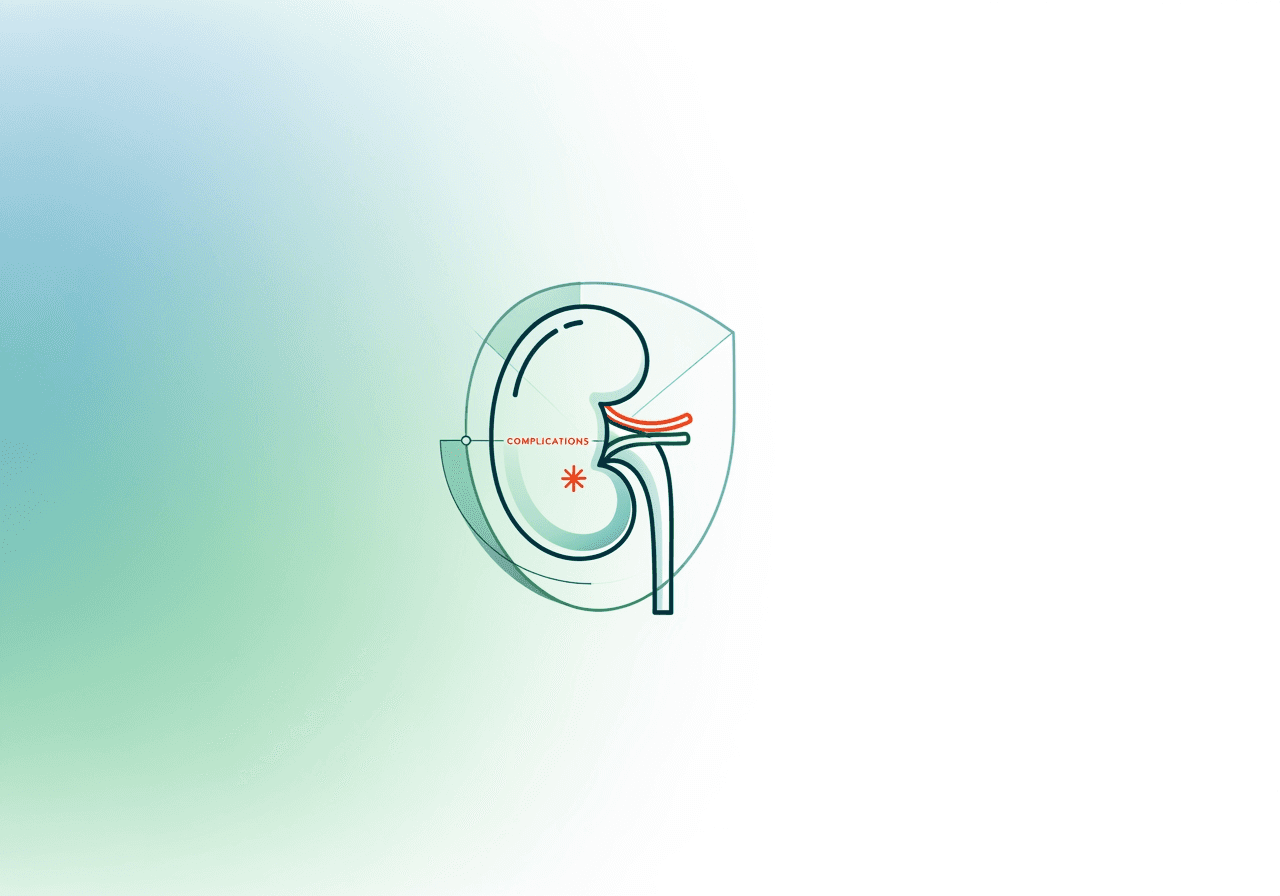
Common Complications in Kidney Transplant and How Top Hospitals Prevent Them
06 Dec, 2025
 Healthtrip
- Early Complications After Kidney Transplant: What to Watch Out For
- Infection Risk: Why Transplant Patients Are Vulnerable and How Hospitals Like Vejthani Hospital Prevent It
- Rejection: Understanding the Types and Strategies Employed by Fortis Memorial Research Institute, Gurgaon to Minimize Risk
- Medication Management: The Role of Immunosuppressants and the Expertise of Memorial Sisli Hospital in Tailoring Treatment
- Surgical Site Complications: Addressing Wound Infections and Bleeding – Protocols at Mount Elizabeth Hospital
- Long-Term Challenges: Managing Cardiovascular Risks and Diabetes After Transplant - Insights from Singapore General Hospital
- Advanced Prevention Strategies: How Top Hospitals Like Quironsalud Hospital Toledo Are Using Innovation to Improve Outcomes
- Conclusion: Optimizing Kidney Transplant Success Through Vigilant Care and Prevention
Common Complications After Kidney Transplant
The journey following a kidney transplant can be complex, marked by potential complications that require vigilance and expert management. One of the most significant concerns is rejection, where the recipient's immune system identifies the new kidney as foreign and attempts to attack it. This can manifest in different forms: hyperacute rejection occurs within minutes to hours of the transplant, acute rejection typically happens within the first few months, and chronic rejection develops gradually over years. Infections are another major threat, as immunosuppressant medications, while necessary to prevent rejection, weaken the body's natural defenses, making patients more susceptible to bacterial, viral, and fungal infections. Cardiovascular issues, such as heart attacks and strokes, are also more prevalent in transplant recipients due to pre-existing conditions and the side effects of certain medications. Furthermore, some patients may experience surgical complications like bleeding, blood clots, or urine leaks. It’s vital to closely monitor kidney function and be vigilant for any signs of these potential complications. The specialists at hospitals like Fortis Memorial Research Institute, Gurgaon, are highly skilled at identifying and treating these complex conditions, working to minimize their impact on your long-term health.
Most popular procedures in India



Preventive Measures Adopted by Top Hospitals
Leading hospitals around the world, including Vejthani Hospital in Bangkok and Memorial Sisli Hospital in Istanbul, employ a multi-faceted approach to minimize complications following kidney transplantation. Comprehensive pre-transplant evaluations are crucial, identifying and addressing any underlying health issues to optimize the patient's condition before surgery. Sophisticated immunosuppression protocols are tailored to each individual, balancing the need to prevent rejection with minimizing the risk of infection. These protocols often involve a combination of medications carefully adjusted based on the patient’s immune response and overall health. Hospitals like Saudi German Hospital Cairo use advanced diagnostic tools to detect early signs of rejection or infection, allowing for prompt intervention. Strict infection control measures, including rigorous hygiene practices and prophylactic medications, are implemented to prevent infections. Furthermore, patient education plays a vital role. Patients are thoroughly informed about their medications, potential side effects, and the importance of adhering to their treatment plan. Regular follow-up appointments and monitoring of kidney function are essential for detecting and managing any emerging issues. This proactive and patient-centered approach significantly improves transplant outcomes and enhances the long-term well-being of recipients.
Recognizing Early Signs of Trouble
Early detection of complications is paramount to ensuring the success of a kidney transplant. Patients and their caregivers need to be vigilant in monitoring for any changes in their health status. Signs of rejection can include decreased urine output, weight gain, swelling, fever, and tenderness over the transplant site. Symptoms of infection can vary, but common indicators include fever, chills, cough, sore throat, and fatigue. It’s also crucial to monitor blood pressure regularly, as hypertension can damage the new kidney. Any unusual symptoms or deviations from the normal post-transplant course should be reported to the transplant team immediately. Hospitals such as NMC Specialty Hospital, Al Nahda, Dubai, emphasize the importance of open communication between patients and their healthcare providers. Regular monitoring of blood creatinine levels, a key indicator of kidney function, is essential. Patients are also educated about the potential side effects of their medications and how to manage them. Prompt recognition and reporting of any concerns can facilitate timely intervention and prevent more serious complications. Remember, being proactive and informed is your best defense against potential setbacks on your transplant journey.

Wellness Treatments
Give yourself the time to relax
Lowest Prices Guaranteed!

Lowest Prices Guaranteed!
The Role of Healthtrip in Your Transplant Journey
Navigating the complexities of a kidney transplant can feel overwhelming, but Healthtrip is here to guide you every step of the way. We connect you with top-tier hospitals like Fortis Escorts Heart Institute and Quironsalud Hospital Murcia, renowned for their expertise in transplantation and commitment to patient-centered care. Our platform provides comprehensive information about different hospitals, their specialists, and the services they offer, empowering you to make informed decisions. We assist in arranging consultations, coordinating travel logistics, and providing language support, ensuring a seamless and stress-free experience. Healthtrip also understands the financial considerations involved in transplantation and can help you explore financing options and navigate insurance coverage. Our dedicated team is available to answer your questions, address your concerns, and provide ongoing support throughout your journey. We believe that everyone deserves access to high-quality healthcare, and we are committed to making kidney transplantation accessible and affordable. With Healthtrip, you can focus on your health and recovery, knowing that you have a reliable partner by your side.
Early Complications After Kidney Transplant: What to Watch Out For
Embarking on a kidney transplant journey is a monumental step towards a healthier life, but like any major surgery, it's crucial to be aware of potential early complications. The immediate period following a kidney transplant requires meticulous monitoring and proactive management to ensure the new kidney functions optimally and the recipient recovers smoothly. These early weeks and months are a delicate balancing act, where the body adapts to its new organ while healthcare professionals work diligently to mitigate any arising issues. Understanding these potential complications is the first step towards empowering patients and their families to navigate this critical phase with confidence and vigilance. Remember, early detection and prompt intervention are key to ensuring a successful transplant outcome.
Fluid and Electrolyte Imbalances
One of the primary early complications revolves around fluid and electrolyte management. The newly transplanted kidney might take some time to regulate fluid balance efficiently, leading to either fluid overload or dehydration. Imbalances in electrolytes like sodium, potassium, and calcium can also occur, disrupting essential bodily functions. Symptoms can range from swelling and shortness of breath (in cases of fluid overload) to muscle weakness, irregular heartbeat, or even confusion (due to electrolyte imbalances). Regular blood tests and close monitoring of urine output are crucial during this period. Hospitals like Saudi German Hospital Cairo, Egypt are well-equipped to handle these complexities, with specialized nephrology teams that closely monitor patients and adjust medications or provide intravenous fluids as needed to maintain optimal balance. Think of it like tuning a delicate orchestra – every instrument (or electrolyte) needs to be perfectly balanced to create harmonious music (or bodily function). Recognizing the signs and communicating them promptly to your medical team is paramount.
Delayed Graft Function
Delayed graft function (DGF) is another potential hurdle in the early post-transplant period. This occurs when the new kidney doesn't start functioning immediately, requiring temporary dialysis until it kicks in. DGF doesn't necessarily mean the transplant will fail, but it does require careful management and increases the risk of other complications. The reasons behind DGF are varied, sometimes relating to the preservation of the donor organ or the recipient's pre-existing medical conditions. Rest assured, medical teams are well-versed in managing DGF, employing strategies to support the kidney's recovery and prevent further complications. At facilities such as Vejthani Hospital, sophisticated protocols are in place to assess graft function regularly and provide timely interventions like dialysis or adjustments to immunosuppressant medications. It's like jump-starting a car – sometimes the engine needs a little help to get going, but it can eventually run smoothly on its own.
Urinary Complications
The urinary tract is directly involved in the transplant process, making it susceptible to early complications. Urine leaks at the site where the new kidney's ureter (the tube that carries urine) is connected to the bladder can occur, requiring additional procedures to repair. Urinary tract infections (UTIs) are also common due to the immunosuppressed state of the patient. Symptoms of UTIs can include frequent urination, pain or burning during urination, and fever. Prompt diagnosis and treatment with antibiotics are essential to prevent the infection from spreading to the kidney. Skilled surgeons take meticulous care to minimize the risk of leaks, and hospitals such as Fortis Shalimar Bagh, employ stringent infection control practices to reduce the incidence of UTIs. Imagine the urinary tract as a newly laid pipeline – any leaks or blockages need to be addressed quickly to ensure a smooth flow of operations.
Infection Risk: Why Transplant Patients Are Vulnerable and How Hospitals Like Vejthani Hospital Prevent It
One of the most significant challenges following a kidney transplant is the heightened risk of infection. The very medications that prevent the body from rejecting the new kidney, called immunosuppressants, also weaken the immune system's ability to fight off bacteria, viruses, and fungi. This creates a window of vulnerability where even common infections can become serious. Understanding why transplant patients are susceptible to infections and the measures hospitals take to mitigate this risk is crucial for a successful recovery. It's a balancing act – suppressing the immune system just enough to prevent rejection, but not so much that it leaves the patient completely defenseless.
The Impact of Immunosuppressants
Immunosuppressant medications are the cornerstone of preventing organ rejection, but they come with a trade-off. These drugs work by dampening the activity of the immune system, preventing it from attacking the transplanted kidney. Unfortunately, this also means the body is less able to defend itself against infections. The specific type and dosage of immunosuppressants are carefully tailored to each patient, taking into account factors like their overall health, the type of transplant, and their risk of rejection. However, even with meticulous adjustments, the risk of infection remains a constant concern. It's like walking a tightrope – the medical team is constantly adjusting the balance to minimize both rejection and infection risks. At Vejthani Hospital, infectious disease specialists work closely with transplant surgeons and nephrologists to develop individualized immunosuppression regimens and monitor patients closely for any signs of infection.
Sources of Infection and Types of Infections
Transplant patients are vulnerable to a wide range of infections, originating from various sources. These can include bacteria, viruses, fungi, and even parasites. Common sources of infection include hospital environments, contaminated food or water, and contact with infected individuals. Some of the most common infections seen in transplant patients include urinary tract infections, pneumonia, wound infections, and bloodstream infections. Viral infections, such as cytomegalovirus (CMV) and Epstein-Barr virus (EBV), can also be particularly problematic in immunosuppressed individuals. Vigilance is key to preventing infections. This includes practicing good hygiene, avoiding crowded places, and being mindful of food safety. Hospitals such as Saudi German Hospital Alexandria, Egypt, prioritize infection control through strict hand hygiene protocols, regular disinfection of surfaces, and isolation of infected patients.
Infection Prevention Strategies at Vejthani Hospital
Vejthani Hospital, a leading medical institution, employs a comprehensive approach to infection prevention in transplant patients. This includes several key strategies: Pre-transplant screening: Thorough screening for latent infections like tuberculosis and hepatitis to address them before transplantation. Prophylactic medications: Administering preventive medications to reduce the risk of certain infections, such as CMV and Pneumocystis pneumonia. Infection control practices: Strict adherence to hand hygiene, sterilization protocols, and environmental cleaning to minimize the spread of pathogens. Protective isolation: Isolating transplant patients in dedicated units with enhanced air filtration and limited visitation to reduce exposure to potential sources of infection. Education and training: Providing comprehensive education to patients and their families on infection prevention strategies, including hand hygiene, food safety, and recognizing early signs of infection. Vaccination strategies: Implementing vaccination protocols for transplant recipients and their close contacts, considering the specific risks and benefits of each vaccine. By implementing these multi-faceted strategies, Vejthani Hospital strives to create a safe and infection-controlled environment for transplant patients, maximizing their chances of a successful recovery.
Rejection: Understanding the Types and Strategies Employed by Fortis Memorial Research Institute, Gurgaon to Minimize Risk
Organ rejection is the body's natural response to recognizing a transplanted organ as foreign. While immunosuppressant medications play a critical role in preventing rejection, it remains a significant concern after a kidney transplant. There are different types of rejection, each requiring a specific approach to management. Understanding these types and the strategies employed by leading hospitals like Fortis Memorial Research Institute, Gurgaon to minimize the risk is essential for a successful transplant outcome. It's like having a security system for your new kidney – identifying potential threats and implementing strategies to protect it.
Types of Kidney Rejection
Kidney rejection can be broadly classified into three main types: Hyperacute rejection: This is a rare but severe form of rejection that occurs within minutes to hours after the transplant. It is caused by pre-existing antibodies in the recipient's blood that attack the donor kidney. Hyperacute rejection is usually irreversible and results in immediate graft failure. Acute rejection: This type of rejection typically occurs within the first few months after the transplant. It is caused by T-cells, a type of white blood cell, attacking the donor kidney. Acute rejection can often be treated successfully with increased immunosuppression. Chronic rejection: This is a slow and progressive form of rejection that occurs over months or years. It is caused by a combination of factors, including antibody-mediated injury, T-cell-mediated injury, and chronic inflammation. Chronic rejection is often difficult to treat and can lead to gradual loss of kidney function. Differentiating between these types of rejection is crucial, as each requires a different management strategy. Hospitals such as Fortis Hospital, Noida employ advanced diagnostic techniques, including kidney biopsies, to accurately identify the type of rejection and tailor treatment accordingly.
Strategies to Minimize Rejection Risk at Fortis Memorial Research Institute, Gurgaon
Fortis Memorial Research Institute, Gurgaon is a leading center for kidney transplantation, known for its expertise in rejection prevention. The institute employs a multi-faceted approach to minimize the risk of rejection, including: Careful recipient selection: Thorough evaluation of potential recipients to identify those at low risk of rejection. HLA matching: Matching the donor and recipient's human leukocyte antigens (HLAs) to minimize the risk of antibody-mediated rejection. Desensitization therapy: Using strategies to remove pre-existing antibodies in recipients who are highly sensitized. Immunosuppression protocols: Employing individualized immunosuppression regimens tailored to each patient's risk profile. Rejection monitoring: Regularly monitoring patients for signs of rejection through blood tests, urine tests, and kidney biopsies. Prompt treatment of rejection: Implementing prompt and aggressive treatment of rejection episodes to prevent long-term damage to the kidney. By using these strategies, the institute aims to achieve high rates of graft survival and minimize the impact of rejection on patients' lives. Their comprehensive approach ensures that each patient receives individualized care and the best possible chance of a successful transplant outcome.
Recognizing the Signs of Rejection
Early detection of rejection is crucial for effective treatment. Patients should be aware of the following signs and symptoms that may indicate rejection: Fever, Pain or tenderness over the transplanted kidney, Decreased urine output, Weight gain, Swelling, Fatigue, Flu-like symptoms. It's important to remember that these symptoms can also be caused by other conditions, but it's essential to report them to your medical team immediately. Early detection and prompt intervention can significantly improve the chances of successfully reversing a rejection episode and preserving the function of the transplanted kidney. Regular follow-up appointments and adherence to the prescribed medication regimen are also critical for monitoring kidney function and detecting any potential problems early on.
Also Read:
Medication Management: The Role of Immunosuppressants and the Expertise of Memorial Sisli Hospital in Tailoring Treatment
Navigating the world of medications after a kidney transplant can feel like learning a new language. Immunosuppressants become your constant companions, playing a vital role in preventing your body from rejecting the new kidney. These aren't your everyday pills; they're powerful drugs that require careful management. Think of them as the peacekeepers of your body, ensuring harmony between your immune system and the transplanted organ. The key is finding the right balance – enough to prevent rejection, but not so much that it leaves you vulnerable to other complications. That's where the expertise of hospitals like Memorial Sisli Hospital shines. They understand that each patient is unique, and treatment needs to be tailored accordingly. Factors like your age, overall health, and the specific characteristics of your transplant all play a role in determining the appropriate dosage and combination of medications. It's a delicate dance, and having a skilled medical team by your side is essential for a successful outcome. Healthtrip can connect you with leading medical facilities like Memorial Sisli Hospital ensuring you receive personalized care and expert medication management post-transplant.
At Memorial Sisli Hospital, doctors don't just prescribe medications; they educate you about them. You'll learn about potential side effects, how to manage them, and what to watch out for. This empowers you to take an active role in your health and become a partner in your care. Think of it as receiving your own personal instruction manual for navigating life after a kidney transplant. Furthermore, they provide ongoing monitoring to ensure the medications are working effectively and to detect any potential problems early on. This involves regular blood tests and check-ups, allowing the medical team to make adjustments as needed. The goal is to keep you feeling your best and to protect your new kidney for the long haul. Healthtrip is dedicated to making these aspects of post-transplant care more accessible for patients worldwide. Let us guide you towards the best possible medical support, including medication management strategies, so you can focus on living a full and healthy life.
Also Read:
Surgical Site Complications: Addressing Wound Infections and Bleeding – Protocols at Mount Elizabeth Hospital
Even with the most skilled surgeons, surgical site complications can sometimes occur after a kidney transplant. These issues, such as wound infections or bleeding, can be concerning, but it's important to remember that they are often manageable with prompt and appropriate care. Imagine your surgical site as a garden; it needs proper tending to heal well. Just like a garden, it needs protection from unwanted elements, such as bacteria. Wound infections can happen when bacteria enter the incision site, causing redness, swelling, pain, and sometimes drainage. Bleeding, while less common, can also occur and may require additional intervention. Hospitals like Mount Elizabeth Hospital have well-established protocols for preventing and managing these complications. They understand that meticulous surgical technique, proper wound care, and vigilant monitoring are crucial for minimizing risk. Healthtrip recognizes the importance of selecting hospitals that prioritize patient safety and implement the highest standards of care. We aim to connect you with the best possible medical facilities, allowing you to focus on your recovery with confidence.
At Mount Elizabeth Hospital, their approach is proactive. This means they take steps to prevent complications before they even occur. This includes thorough pre-operative screening, meticulous surgical technique, and the use of advanced wound closure methods. Post-operatively, the nursing staff plays a vital role in monitoring the surgical site for any signs of infection or bleeding. They also provide detailed instructions on how to care for your wound at home. Think of them as your personal wound care experts, guiding you through the healing process. If a complication does arise, Mount Elizabeth Hospital is equipped to handle it quickly and effectively. This may involve antibiotics for infection or further surgical intervention to address bleeding. The key is early detection and prompt treatment. With Healthtrip, you can rest assured that you're choosing a hospital with a strong track record of managing surgical site complications and a commitment to patient well-being. This peace of mind can make a significant difference in your recovery journey.
Also Read:
Long-Term Challenges: Managing Cardiovascular Risks and Diabetes After Transplant - Insights from Singapore General Hospital
A kidney transplant is a life-changing event, but it's not the end of the journey. Long-term challenges, such as managing cardiovascular risks and diabetes, require ongoing attention and proactive management. Think of your health after transplant as a marathon, not a sprint. It requires sustained effort and careful planning to stay on track. Cardiovascular disease is a leading cause of morbidity and mortality in transplant recipients. Factors like high blood pressure, high cholesterol, and obesity can increase your risk. Similarly, diabetes, whether pre-existing or developed after transplant, can further complicate matters. Singapore General Hospital understands these challenges and has developed comprehensive programs to help patients manage these risks effectively. They recognize that a holistic approach, combining lifestyle modifications, medication management, and regular monitoring, is essential for long-term success. Healthtrip is committed to providing you with access to leading medical facilities like Singapore General Hospital. With their expertise and guidance, you can navigate the long-term challenges of kidney transplant with confidence.
The approach at Singapore General Hospital involves a multidisciplinary team of specialists, including nephrologists, cardiologists, endocrinologists, and dietitians. They work together to develop a personalized management plan tailored to your individual needs. This may include dietary recommendations, exercise programs, and medication adjustments. Think of them as your personal health coaches, guiding you every step of the way. They also emphasize the importance of patient education, empowering you to take an active role in your health. You'll learn about the risk factors for cardiovascular disease and diabetes, how to monitor your blood pressure and blood sugar, and how to make healthy lifestyle choices. Healthtrip believes that informed patients are empowered patients. We are dedicated to providing you with the resources and support you need to live a long and fulfilling life after kidney transplant. Let us help you connect with the best possible medical care and navigate the challenges with resilience and optimism.
Also Read:
Advanced Prevention Strategies: How Top Hospitals Like Quironsalud Hospital Toledo Are Using Innovation to Improve Outcomes
In the world of kidney transplantation, prevention is truly better than cure. Top hospitals like Quironsalud Hospital Toledo are leading the way in implementing advanced prevention strategies to improve patient outcomes. They're not just treating problems as they arise; they're actively working to prevent them from happening in the first place. Imagine your health as a fortress; advanced prevention strategies are the walls and defenses that protect it from attack. Quironsalud Hospital Toledo utilizes cutting-edge technologies and innovative approaches to minimize the risk of complications and rejection. This includes advanced imaging techniques, personalized immunosuppression protocols, and proactive monitoring systems. Healthtrip recognizes the importance of staying at the forefront of medical advancements. We aim to connect you with hospitals like Quironsalud Hospital Toledo that are committed to using innovation to enhance your well-being.
The advanced prevention strategies at Quironsalud Hospital Toledo extend beyond the traditional medical realm. They also incorporate holistic approaches that address lifestyle factors, such as diet, exercise, and stress management. Think of it as a comprehensive wellness program tailored specifically for kidney transplant recipients. They understand that a healthy body and mind are essential for long-term success. They are pioneers in using new biomarkers to predict rejection earlier than traditional methods. It allows for quicker intervention and can prevent damage to the new kidney. Healthtrip is committed to making the best medical care accessible to patients around the world. We believe that everyone deserves the opportunity to benefit from the latest advancements in kidney transplantation. Let us help you find the hospital that's right for you and embark on a journey towards a healthier and more fulfilling life. Consider Saudi German Hospital Cairo, Egypt as another excellent option for comprehensive care and advanced practices in post-transplant management.
Also Read:
Conclusion: Optimizing Kidney Transplant Success Through Vigilant Care and Prevention
Optimizing kidney transplant success requires a multi-faceted approach, combining vigilant care, proactive prevention strategies, and ongoing patient engagement. It's not just about the surgery itself; it's about the entire journey, from pre-transplant preparation to long-term management. Think of your kidney transplant as a partnership between you and your medical team. Open communication, shared decision-making, and a commitment to ongoing learning are essential for a successful outcome. Choosing the right hospital and medical team is a critical first step. Look for facilities with experienced transplant surgeons, dedicated nephrologists, and comprehensive support services. Healthtrip can help you navigate the complex world of medical tourism and connect you with leading transplant centers around the globe. Furthermore, prioritize ongoing care and monitoring. Regular check-ups, blood tests, and medication adjustments are essential for detecting and managing any potential problems early on. Finally, remember that you are not alone. Connect with other transplant recipients, share your experiences, and learn from each other. With the right care, support, and prevention strategies, you can optimize your kidney transplant success and live a long and fulfilling life.
Related Blogs

Why Second Opinions Matter Before Eye Surgery Doctors Explain
Deep medical insights, treatment comparisons, safety standards, and technological updates

International Patients' Guide to Understanding Eye Surgery Terminology
Deep medical insights, treatment comparisons, safety standards, and technological updates

How Healthtrip Ensures Patient Safety During Eye Surgery Procedures
Deep medical insights, treatment comparisons, safety standards, and technological updates

Choosing Between Treatment Options for Eye Surgery
Deep medical insights, treatment comparisons, safety standards, and technological updates

How to Read Your Medical Reports Before Eye Surgery
Deep medical insights, treatment comparisons, safety standards, and technological updates

Breakthrough Medical Technologies Transforming Eye Surgery in India
Deep medical insights, treatment comparisons, safety standards, and technological updates