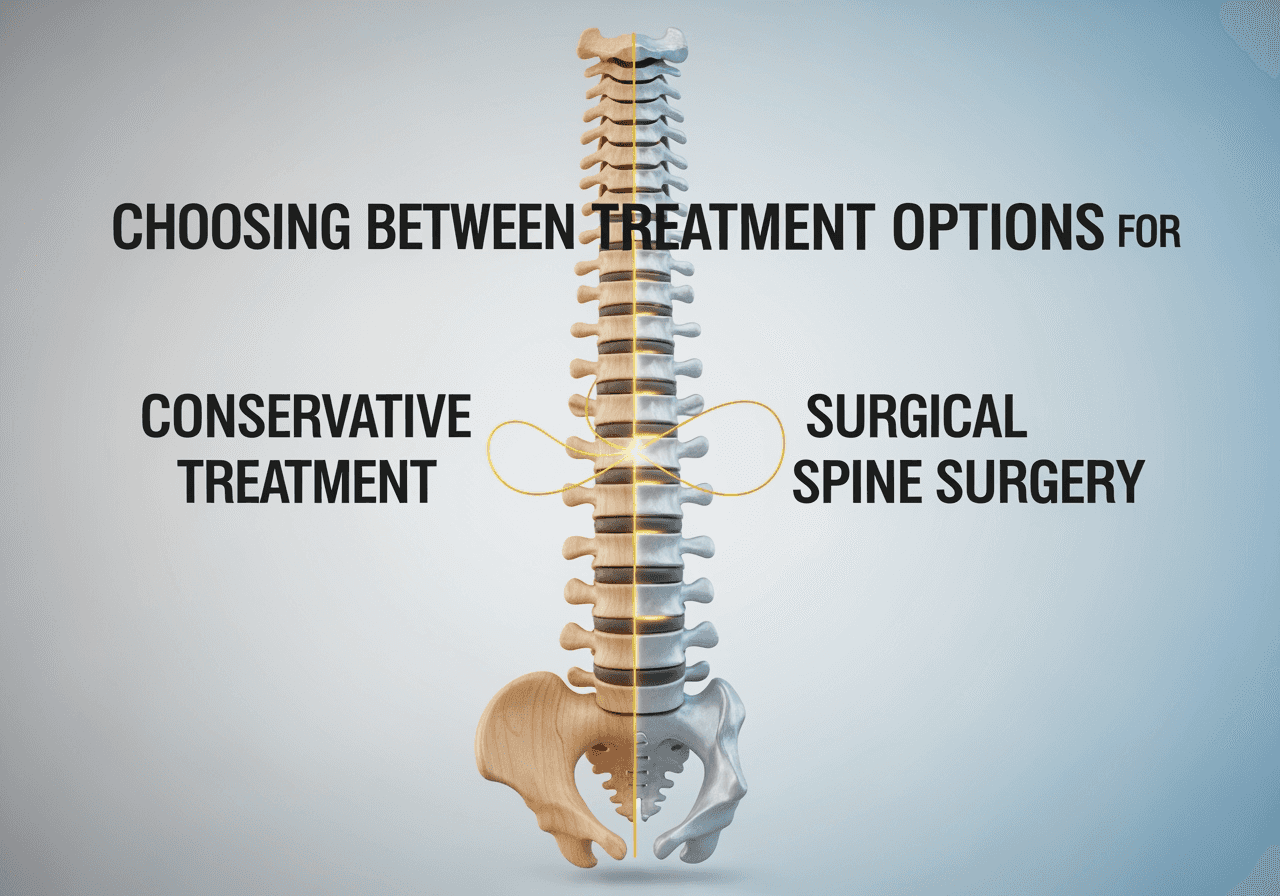
Choosing Between Treatment Options for Spine Surgery
06 Dec, 2025
 Healthtrip
- Understanding Spinal Conditions: The Foundation for Treatment Decisions
- Exploring Non-Surgical Alternatives: When is Surgery Not Necessary?
- A Comprehensive Overview of Spine Surgery Options: Types, Techniques, and Technologies
- Key Factors Influencing Your Spine Surgery Choice: Age, Health, and Lifestyle Considerations
- Finding the Right Spine Surgeon and Hospital: Expertise, Experience, and Location. Some hospitals you can consider include: Saudi German Hospital Cairo, Egypt, OCM Orthopädische Chirurgie München, Fortis Escorts Heart Institute, Fortis Shalimar Bagh, QUIRONSALUD PROTON THERAPY CENTRE, Yanhee International Hospital, Vejthani Hospital, Memorial Bahçelievler Hospital, Memorial Sisli Hospital, NMC Specialty Hospital, Al Nahda, Dubai, Thumbay Hospital, Saudi German Hospital Al-Madinah Almonawara, Saudi German Hospital Dammam, Saudi German Hospital Hail, Hisar Intercontinental Hospital.
- Navigating Recovery and Rehabilitation: What to Expect After Spine Surgery
- Real-Life Success Stories: Examples of Spine Surgery Treatment Choices and Outcomes
- Conclusion: Empowering You to Make Informed Decisions About Spine Surgery
Understanding Your Spinal Condition
Before diving into the different surgical options, it's crucial to have a clear understanding of your specific spinal condition. This involves a thorough diagnosis, typically including imaging tests like X-rays, MRI scans, and CT scans, combined with a comprehensive physical examination. Your doctor will evaluate the location and severity of your spinal problem, whether it's a herniated disc pressing on a nerve, spinal stenosis causing narrowing of the spinal canal, or degenerative disc disease leading to chronic back pain. Understanding the root cause of your symptoms is essential for determining the most effective surgical approach. For example, a patient with a severely compressed nerve due to a herniated disc might benefit from a microdiscectomy, a minimally invasive procedure to remove the portion of the disc that's causing the compression. On the other hand, someone with spinal instability might require spinal fusion to stabilize the affected vertebrae. At Healthtrip, we connect you with experienced specialists at hospitals such as Fortis Memorial Research Institute, Gurgaon, who can provide an accurate diagnosis and explain your condition in detail, ensuring you're fully informed before making any decisions about surgery.
Most popular procedures in India

Exploring Non-Surgical Alternatives
It's always a good idea to exhaust non-surgical treatment options before considering spine surgery. Many spinal conditions can be effectively managed with conservative approaches, such as physical therapy, pain medications, injections, and lifestyle modifications. Physical therapy can help strengthen the muscles supporting your spine, improve flexibility, and reduce pain. Pain medications, including over-the-counter options and prescription drugs, can provide temporary relief from discomfort. Injections, such as epidural steroid injections, can help reduce inflammation around the nerves and alleviate pain. Lifestyle modifications, like maintaining a healthy weight, practicing good posture, and avoiding activities that aggravate your symptoms, can also play a significant role in managing your condition. If non-surgical treatments fail to provide adequate relief after a reasonable period of time, or if you experience progressive neurological symptoms like weakness or numbness, then surgery may be a more appropriate option. Healthtrip emphasizes a holistic approach, ensuring you've explored all avenues before considering surgery at facilities like Vejthani Hospital, where comprehensive pre-surgical assessments are available.
Types of Spine Surgery
Minimally Invasive Spine Surgery (MISS)
Minimally invasive spine surgery (MISS) has revolutionized the field of spine surgery, offering several advantages over traditional open surgery. MISS techniques involve smaller incisions, which result in less tissue damage, reduced blood loss, and faster recovery times. Surgeons use specialized instruments and imaging guidance to perform the procedure through these small incisions, minimizing disruption to the surrounding muscles and tissues. MISS procedures can be used to treat a variety of spinal conditions, including herniated discs, spinal stenosis, and spinal fusions. One common MISS procedure is a microdiscectomy, where a small portion of a herniated disc is removed to relieve pressure on the nerve. Another MISS technique is a laminectomy, where a small portion of the lamina (the bony arch of the vertebra) is removed to create more space for the spinal cord and nerves. Patients undergoing MISS procedures typically experience less post-operative pain, shorter hospital stays, and a quicker return to their normal activities. Healthtrip offers access to hospitals like Saudi German Hospital Cairo, Egypt, that are at the forefront of MISS techniques, ensuring patients benefit from the latest advancements in surgical technology.

Wellness Treatments
Give yourself the time to relax
Lowest Prices Guaranteed!

Lowest Prices Guaranteed!
Spinal Fusion
Spinal fusion is a surgical procedure that joins two or more vertebrae together to eliminate motion between them. It's often recommended for conditions causing spinal instability, such as spondylolisthesis (where one vertebra slips forward over another), severe degenerative disc disease, or spinal fractures. The goal of spinal fusion is to create a solid bone bridge between the vertebrae, providing stability and reducing pain. During the procedure, the surgeon may use bone grafts (either from the patient's own body or from a donor) and hardware like screws and rods to hold the vertebrae together while the fusion heals. Over time, the bone graft will fuse with the vertebrae, creating a solid, immobile segment of the spine. While spinal fusion can be effective in reducing pain and improving stability, it does limit the range of motion in the fused segment. Patients undergoing spinal fusion may require a longer recovery period compared to minimally invasive procedures. Healthtrip connects you with experienced surgeons at hospitals like Fortis Hospital, Noida, who can assess your suitability for spinal fusion and guide you through the recovery process.
Disc Replacement
Disc replacement is an alternative to spinal fusion for treating certain types of spinal conditions, particularly degenerative disc disease. Instead of fusing the vertebrae together, disc replacement involves removing the damaged disc and replacing it with an artificial disc. The artificial disc is designed to mimic the natural motion of the spine, allowing for continued flexibility and range of motion. Disc replacement is typically considered for patients with single-level disc disease who have not responded to non-surgical treatments. The procedure is most commonly performed in the cervical (neck) and lumbar (lower back) regions of the spine. Advantages of disc replacement include maintaining spinal mobility, reducing the risk of adjacent segment degeneration (where the levels above and below the fusion become more susceptible to problems), and potentially faster recovery times compared to spinal fusion. However, disc replacement is not suitable for all patients, and careful patient selection is crucial. Healthtrip can help you find specialists at hospitals like Memorial Bahçelievler Hospital who are experienced in disc replacement surgery and can determine if it's the right option for you.
Factors to Consider When Choosing a Treatment
Choosing the right treatment option for spine surgery involves considering various factors, including your age, overall health, the severity of your condition, your lifestyle, and your personal preferences. It's essential to have an open and honest discussion with your surgeon about your goals and expectations for the surgery. For example, if you're a young, active individual who wants to maintain maximum spinal mobility, disc replacement might be a more appealing option than spinal fusion. On the other hand, if you have significant spinal instability or multilevel disc disease, spinal fusion might be the more appropriate choice. Your surgeon will also consider your overall health and any underlying medical conditions that could affect the success of the surgery or the recovery process. It's crucial to ask questions, seek second opinions if needed, and thoroughly research the potential risks and benefits of each treatment option. Healthtrip is dedicated to providing you with the information and resources you need to make an informed decision, connecting you with leading medical professionals at facilities such as Bangkok Hospital who can provide personalized guidance based on your individual needs.
Understanding Spinal Conditions: The Foundation for Treatment Decisions
Back pain. It's the kind of discomfort that can range from a mild annoyance to a life-altering affliction. Before diving into the world of spine surgery, it's crucial to understand what's actually going on in your back. The spine, a marvel of engineering, is composed of vertebrae, discs, nerves, and ligaments all working together to provide support, flexibility, and protection for the spinal cord. When something goes awry with any of these components, it can lead to a whole host of problems. Spinal conditions aren't just about "having a bad back"; they're a spectrum of varying issues that can impact your quality of life significantly. Think of it like this: understanding the root cause of your spinal condition is like knowing the recipe for a delicious meal. Without it, you're just throwing ingredients together, hoping for the best. With a proper diagnosis, you can chart a course towards effective treatment, with or without surgery, tailored to your specific needs. Healthtrip is here to help you navigate this journey, connecting you with specialists who can provide accurate diagnoses and personalized treatment plans. We understand that seeking medical care, especially across borders, can be daunting. We aim to make the process as seamless and stress-free as possible, ensuring you receive the best possible care.
Common Spinal Disorders: A Closer Look
Let's pull back the curtain and take a peek at some of the most common spinal disorders. One frequent culprit is degenerative disc disease, which, despite its intimidating name, is essentially the wear and tear on your spinal discs over time. As we age, these discs can lose hydration and elasticity, leading to pain, stiffness, and reduced range of motion. Herniated discs, another common issue, occur when the soft, jelly-like center of a spinal disc pushes through the tougher outer layer, potentially irritating nearby nerves. Spinal stenosis, a narrowing of the spinal canal, can put pressure on the spinal cord and nerves, leading to pain, numbness, and weakness in the legs and feet. Scoliosis, a sideways curvature of the spine, can develop in childhood or adolescence, and in severe cases, may require intervention. Understanding these conditions is the first step in taking control of your spinal health. Remember, you're not alone. Millions of people worldwide experience these issues. Recognizing the specific nature of your condition is key to making informed decisions about your care. Healthtrip collaborates with hospitals like Saudi German Hospital Cairo, Egypt, where experienced specialists can diagnose and manage these conditions effectively. We connect you with top-tier medical professionals equipped to provide accurate assessments and personalized treatment options.
The Importance of Accurate Diagnosis
Imagine trying to fix a car without knowing what's wrong with the engine. That's essentially what it's like to treat a spinal condition without a proper diagnosis. An accurate assessment is paramount for determining the most effective course of treatment. This often involves a combination of physical exams, imaging tests (such as X-rays, MRIs, and CT scans), and neurological evaluations. The information gleaned from these assessments helps your doctor pinpoint the source of your pain and develop a tailored treatment plan. Don't underestimate the power of a thorough diagnostic process. It's the foundation upon which all subsequent treatment decisions are made. Misdiagnosis or incomplete assessments can lead to ineffective treatments and prolonged suffering. Healthtrip understands the value of accurate and timely diagnoses. We work with hospitals and clinics globally that prioritize comprehensive assessments, ensuring you receive the right care from the outset. For instance, facilities like OCM Orthopädische Chirurgie München, Germany, are equipped with advanced diagnostic technologies and staffed by skilled professionals dedicated to identifying the root cause of your spinal issues. With Healthtrip, you can be confident that you're receiving a thorough evaluation that will guide you toward the most appropriate and effective treatment path.
Exploring Non-Surgical Alternatives: When is Surgery Not Necessary?
Before even thinking about surgery, it's important to know that most spinal conditions can be managed successfully with non-surgical approaches. Think of surgery as a last resort, not the first line of defense. Conservative treatments aim to relieve pain, improve function, and prevent further progression of the condition. These options range from simple lifestyle modifications to more specialized therapies. The key is to explore all available avenues before considering more invasive procedures. Non-surgical options are often less risky, less expensive, and require less recovery time than surgery. They also empower you to take an active role in managing your own health. Surgery isn't always the answer, and in many cases, it can be avoided altogether with the right combination of conservative treatments. Healthtrip is committed to providing you with a comprehensive overview of all available options, ensuring you're fully informed before making any decisions about your care. We connect you with specialists who can evaluate your condition and recommend the most appropriate non-surgical strategies to help you achieve lasting relief. We believe that informed patients make the best decisions, and we are here to support you every step of the way.
Common Non-Surgical Treatments
Let's delve into the world of non-surgical treatments for spinal conditions. Physical therapy is often the cornerstone of conservative management. A skilled physical therapist can design a personalized exercise program to strengthen your back muscles, improve flexibility, and reduce pain. Medications, such as pain relievers, anti-inflammatories, and muscle relaxants, can also play a role in managing symptoms. Injections, such as epidural steroid injections or nerve blocks, can provide temporary pain relief by reducing inflammation around the affected nerves. Lifestyle modifications, such as maintaining a healthy weight, practicing good posture, and avoiding activities that aggravate your pain, are also essential. Alternative therapies, such as acupuncture, chiropractic care, and massage therapy, may offer additional benefits for some individuals. The specific combination of treatments that's right for you will depend on the nature and severity of your condition, as well as your individual preferences. Remember, it's a marathon, not a sprint. Finding the right treatment plan may take time and experimentation. Healthtrip collaborates with hospitals like Fortis Shalimar Bagh in India, which offer a wide range of non-surgical treatment options for spinal conditions. Our goal is to connect you with the resources and support you need to find lasting relief without resorting to surgery.
When is Surgery Not Recommended?
Knowing when surgery is *not* the best option is just as important as knowing when it is. In general, surgery is typically reserved for cases where conservative treatments have failed to provide adequate relief, or when there are signs of serious neurological compromise, such as progressive weakness, bowel or bladder dysfunction, or severe pain that is impacting your daily life. If your pain is manageable with non-surgical treatments, and you're able to maintain a reasonable quality of life, surgery may not be necessary. Also, certain medical conditions or lifestyle factors may increase the risks associated with surgery, making non-surgical options a more prudent choice. It's crucial to have an open and honest conversation with your doctor about the potential risks and benefits of surgery, taking into account your individual circumstances. Don't feel pressured to undergo surgery if you're not comfortable with it, or if you believe that you can manage your condition effectively with non-surgical approaches. At Healthtrip, we encourage you to seek second opinions and explore all available options before making a decision about surgery. We connect you with experienced specialists who can provide unbiased assessments and help you weigh the pros and cons of different treatment strategies. Our goal is to empower you to make informed choices that are aligned with your values and preferences. We can help you connect with hospitals like Vejthani Hospital in Thailand, where you can get expert second opinions.
A Comprehensive Overview of Spine Surgery Options: Types, Techniques, and Technologies
When non-surgical routes have been exhausted and your spinal condition continues to significantly impact your quality of life, spine surgery might be the next consideration. It's a big decision, no doubt, and understanding the various options available is crucial. Spine surgery isn't a one-size-fits-all solution; there are many different types of procedures, each designed to address specific problems. The good news is that advancements in surgical techniques and technologies have made spine surgery safer and more effective than ever before. Minimally invasive approaches, for example, can lead to smaller incisions, less pain, and faster recovery times. Remember, knowledge is power. The more you understand about your surgical options, the better equipped you'll be to make informed decisions in partnership with your surgeon. Healthtrip aims to demystify the world of spine surgery, providing you with clear, concise, and accurate information about the different procedures, techniques, and technologies available. We connect you with leading spine surgeons and hospitals worldwide, ensuring you have access to the best possible care. We want you to feel confident and empowered as you navigate this important stage of your treatment journey.
Common Types of Spine Surgery
Let's break down some of the most common types of spine surgery. Spinal fusion is a procedure that joins two or more vertebrae together, effectively eliminating movement between them. This can help to stabilize the spine and reduce pain caused by conditions such as degenerative disc disease or spinal instability. Laminectomy involves removing a portion of the vertebral bone (the lamina) to create more space for the spinal cord and nerves. This is often performed to relieve pressure caused by spinal stenosis. Discectomy involves removing a damaged or herniated disc that is pressing on a nerve. This can be done through a traditional open incision or through a minimally invasive approach. Artificial disc replacement is an alternative to spinal fusion, where the damaged disc is replaced with an artificial disc that allows for continued movement in the spine. Each of these procedures has its own set of benefits and risks, and the best option for you will depend on the specific nature of your condition. It's essential to have a thorough discussion with your surgeon to determine which procedure is most appropriate for your needs. Healthtrip can help you connect with facilities like Memorial Sisli Hospital in Turkey, which offer comprehensive spine surgery services performed by experienced and highly skilled surgeons. We ensure you have access to the expertise you need to make the right choice for your health.
Minimally Invasive Techniques: A Modern Approach
Minimally invasive spine surgery (MISS) has revolutionized the field, offering significant advantages over traditional open surgery. MISS techniques involve making smaller incisions, which translates to less trauma to the surrounding tissues. This can result in less pain, reduced blood loss, shorter hospital stays, and faster recovery times. MISS procedures are often performed using specialized instruments and imaging guidance, allowing the surgeon to visualize the spine with greater precision. Common MISS procedures include minimally invasive discectomy, laminectomy, and spinal fusion. While not all spinal conditions can be treated with MISS, it's a viable option for many patients. The benefits of MISS extend beyond just the physical aspects of recovery. Patients often report feeling less anxious and more confident about their surgery when they know it will be performed using minimally invasive techniques. Healthtrip is committed to providing you with access to the most advanced and innovative treatments available, including MISS. We connect you with hospitals and surgeons who are at the forefront of this technology, ensuring you receive the best possible care with the least amount of disruption to your life. For example, NMC Specialty Hospital, Al Nahda, Dubai, offers a range of minimally invasive spine surgery options. Our goal is to help you get back to your life as quickly and comfortably as possible.
Also Read:
Key Factors Influencing Your Spine Surgery Choice: Age, Health, and Lifestyle Considerations
Deciding whether or not to undergo spine surgery is a deeply personal decision, one that requires careful consideration of numerous factors. It's not just about the pain; it's about your overall quality of life, your hopes for the future, and what you're willing to endure to get there. Age plays a significant role. While there's no age limit for spine surgery, older individuals might face increased risks and longer recovery times. However, a vibrant 70-year-old with strong bone density and a positive outlook can be a better candidate than a sedentary 50-year-old with underlying health issues. Think of it this way: age is a number, but health is a state of being. Your general health is paramount. Pre-existing conditions like diabetes, heart disease, or obesity can complicate surgery and recovery. A comprehensive evaluation by your physician is crucial to assess these risks. These conditions don't necessarily disqualify you, but they require meticulous management and a tailored surgical approach. Lifestyle also holds considerable sway. A physically demanding job might require a more robust surgical solution than a sedentary one. Are you an avid gardener, a marathon runner, or a bookworm? Your desired level of activity post-surgery will influence the type of procedure your surgeon recommends. It's a collaborative discussion, where your surgeon acts as a guide, and you, the patient, are the driver of your own healthcare journey. Remember, the goal isn't just to eliminate pain but to restore function and improve your overall well-being.
Surgical decisions aren't made in a vacuum; they're intricately woven into the fabric of your life. Consider your emotional well-being too. Spine surgery can be daunting, and a positive mindset can significantly impact your recovery. If you're feeling anxious or overwhelmed, don't hesitate to seek support from therapists or support groups. Furthermore, smoking status significantly influences surgical outcomes. Smoking impairs blood flow, hindering healing and increasing the risk of complications. Quitting smoking, even a few weeks before surgery, can make a world of difference. It’s about giving your body the best possible chance to heal and thrive. Finally, evaluate your support system. Will you have family or friends to help you during recovery? The post-operative period can be challenging, and having a strong support network can ease the burden considerably. Think about meal preparation, transportation to appointments, and general assistance around the house. This support is not just practical; it provides emotional comfort, helping you stay positive and motivated throughout the recovery process. All of these elements – age, health, lifestyle, emotional well-being, smoking status, and support system – form the mosaic of your surgical decision, a mosaic that requires careful examination to ensure the best possible outcome.
Finding the Right Spine Surgeon and Hospital: Expertise, Experience, and Location. Some hospitals you can consider include: Saudi German Hospital Cairo, Egypt, OCM Orthopädische Chirurgie München, Fortis Escorts Heart Institute, Fortis Shalimar Bagh, QUIRONSALUD PROTON THERAPY CENTRE, Yanhee International Hospital, Vejthani Hospital, Memorial Bahçelievler Hospital, Memorial Sisli Hospital, NMC Specialty Hospital, Al Nahda, Dubai, Thumbay Hospital, Saudi German Hospital Al-Madinah Almonawara, Saudi German Hospital Dammam, Saudi German Hospital Hail, Hisar Intercontinental Hospital.
Choosing a spine surgeon is one of the most crucial steps in your journey towards recovery. It's not just about finding someone who can perform the surgery; it's about finding someone you trust, someone with the expertise and experience to guide you through the process with compassion and skill. Start by verifying credentials and board certifications. A board-certified surgeon has met rigorous standards of training and expertise in their specialty. Don't hesitate to ask about their experience with specific procedures relevant to your condition. How many of these surgeries have they performed? What are their success rates? Ideally, you want a surgeon who specializes in spine surgery and has a proven track record of positive outcomes. Beyond credentials, consider the surgeon's communication style. Do they listen attentively to your concerns? Do they explain things clearly and understandably, avoiding jargon? A good surgeon will take the time to answer your questions and address your anxieties, empowering you to make informed decisions about your care. Trust your gut feeling; if something doesn't feel right, it's okay to seek a second opinion. Remember, this is your health and your body, and you deserve to feel confident in your choice.
The hospital where your surgery will take place is equally important. Look for hospitals with dedicated spine centers staffed by multidisciplinary teams, including surgeons, nurses, physical therapists, and pain management specialists. These centers often have specialized equipment and protocols designed to optimize patient outcomes. Consider hospitals like Saudi German Hospital Cairo, Egypt, OCM Orthopädische Chirurgie München, Fortis Escorts Heart Institute, Fortis Shalimar Bagh, QUIRONSALUD PROTON THERAPY CENTRE, Yanhee International Hospital, Vejthani Hospital, Memorial Bahçelievler Hospital, Memorial Sisli Hospital, NMC Specialty Hospital, Al Nahda, Dubai, Thumbay Hospital, Saudi German Hospital Al-Madinah Almonawara, Saudi German Hospital Dammam, Saudi German Hospital Hail, and Hisar Intercontinental Hospital; these are just a few of the many excellent facilities offering specialized spinal care across the globe. In addition to expertise and experience, consider location. Traveling for surgery can be stressful, so if possible, choose a hospital that is conveniently located and easily accessible for you and your loved ones. However, don't let location be the sole deciding factor; prioritize quality and expertise above all else. Researching patient reviews and testimonials can provide valuable insights into the surgeon's and hospital's reputation. Look for consistent patterns of positive or negative feedback. While every patient's experience is unique, these reviews can offer a glimpse into the overall quality of care. Finally, don't hesitate to contact Healthtrip for assistance. They can provide you with personalized recommendations based on your specific needs and preferences, helping you navigate the complex world of spine surgery and find the best possible care.
Also Read:
Navigating Recovery and Rehabilitation: What to Expect After Spine Surgery
The journey doesn't end when the surgery is over; in many ways, it's just beginning. Recovery and rehabilitation are critical components of a successful spine surgery outcome. Understanding what to expect can alleviate anxiety and empower you to actively participate in your healing process. Immediately after surgery, you'll likely experience some pain and discomfort. Pain management is a top priority, and your medical team will work closely with you to develop a personalized pain control plan, which may include medication, ice packs, and other comfort measures. Don't hesitate to communicate your pain levels honestly and openly; effective pain management is essential for optimal healing. The length of your hospital stay will vary depending on the type of surgery you had and your individual progress. During this time, you'll start with gentle exercises, such as walking and light stretching, to promote circulation and prevent stiffness. As you regain strength and mobility, you'll transition to a more comprehensive rehabilitation program, which may involve physical therapy, occupational therapy, and other specialized therapies. Physical therapy will focus on restoring strength, flexibility, and range of motion in your spine and surrounding muscles. Your therapist will guide you through a series of exercises designed to improve your posture, balance, and coordination. Occupational therapy will help you regain the skills you need to perform everyday activities, such as dressing, bathing, and cooking. They'll teach you adaptive techniques and recommend assistive devices to make these tasks easier and safer.
The recovery timeline varies for everyone. Some people experience rapid improvement, while others require more time and patience. Don't compare your progress to others; focus on your own individual goals and milestones. Set realistic expectations and celebrate small victories along the way. It's also crucial to follow your surgeon's instructions carefully. This includes taking medications as prescribed, attending all scheduled appointments, and avoiding activities that could strain your spine. Adhering to these guidelines will minimize the risk of complications and promote optimal healing. As you progress through your recovery, you'll gradually increase your activity levels. Start slowly and listen to your body. If you experience pain or discomfort, stop and rest. Don't push yourself too hard, too soon. Your spine needs time to heal fully. Maintaining a healthy lifestyle is also essential for recovery. Eat a balanced diet rich in fruits, vegetables, and lean protein to provide your body with the nutrients it needs to repair itself. Stay hydrated by drinking plenty of water. Avoid smoking and limit alcohol consumption, as these can interfere with healing. Finally, remember that recovery is not just physical; it's also emotional. Spine surgery can be a significant life event, and it's normal to experience a range of emotions, including anxiety, frustration, and discouragement. Seek support from friends, family, or a therapist if you're struggling emotionally. A positive mindset can make a world of difference in your recovery journey. Consider places like Fortis Memorial Research Institute, Gurgaon for comprehensive rehabilitation programs.
Also Read:
Real-Life Success Stories: Examples of Spine Surgery Treatment Choices and Outcomes
Sometimes, the best way to understand the impact of spine surgery is through the stories of those who have walked the path before you. Real-life success stories can provide hope, inspiration, and valuable insights into the treatment process and potential outcomes. Consider the story of Maria, a 62-year-old retired teacher who suffered from debilitating back pain due to spinal stenosis. Simple activities like walking and gardening, once her greatest joys, became unbearable. After exploring non-surgical options without significant relief, Maria consulted with a spine surgeon at Memorial Sisli Hospital who recommended a laminectomy. The surgery involved removing a small portion of the bone compressing her spinal cord, relieving the pressure and pain. Following surgery and a dedicated rehabilitation program, Maria regained her mobility and returned to her beloved hobbies. She now enjoys long walks in the park and tending to her garden without pain, a testament to the transformative power of targeted spine surgery.
Or take the case of David, a 45-year-old construction worker who injured his back in a work-related accident, resulting in a herniated disc. The pain was excruciating, radiating down his leg and making it impossible for him to perform his job. After exhausting conservative treatments, David sought a surgical opinion at Vejthani Hospital. His surgeon performed a microdiscectomy, a minimally invasive procedure to remove the damaged portion of the disc. The surgery was a success, and David experienced immediate pain relief. With the guidance of a physical therapist, he gradually returned to work, stronger and more resilient than before. These are just two examples of how spine surgery can dramatically improve the lives of individuals suffering from debilitating back pain. While every case is unique, these stories highlight the importance of personalized treatment plans, skilled surgeons, and dedicated rehabilitation. These narratives underscore the potential for positive outcomes when patients are well-informed and actively involved in their care. Such success stories provide not only hope but also practical examples of what can be achieved. The specific type of surgery, paired with the right rehabilitation, played a crucial role in these positive outcomes. By learning from these experiences, future patients can approach their own spine surgery journey with a greater sense of understanding and optimism.
Also Read:
Conclusion: Empowering You to Make Informed Decisions About Spine Surgery
Navigating the world of spine surgery can feel overwhelming, but armed with the right information and a supportive healthcare team, you can make informed decisions that empower you to take control of your health and well-being. Remember, knowledge is power. The goal is not to scare you, but to educate you, so you can confidently discuss your options with your doctor and make choices that align with your values and goals. Spine surgery is not a one-size-fits-all solution; it's a highly individualized process that requires careful consideration of your specific condition, lifestyle, and preferences. Don't hesitate to ask questions, seek second opinions, and gather as much information as you need to feel comfortable and confident in your decisions.
Healthtrip is here to support you every step of the way. From connecting you with leading spine surgeons and hospitals around the world, such as Saudi German Hospital Cairo, Egypt and Hisar Intercontinental Hospital to providing you with personalized guidance and resources, we are committed to helping you navigate the complex world of medical travel with ease and confidence. We understand that choosing to undergo spine surgery is a significant decision, and we are dedicated to providing you with the information and support you need to make the best choices for your health and well-being. So, take a deep breath, do your research, and trust yourself. You have the power to reclaim your life and live it to the fullest. Contact Healthtrip today to explore your options and embark on your journey to a healthier, happier you. It is our mission to empower you to make informed choices, so you can walk this journey with confidence and peace of mind.
Related Blogs

Why Second Opinions Matter Before Eye Surgery Doctors Explain
Deep medical insights, treatment comparisons, safety standards, and technological updates

International Patients' Guide to Understanding Eye Surgery Terminology
Deep medical insights, treatment comparisons, safety standards, and technological updates

How Healthtrip Ensures Patient Safety During Eye Surgery Procedures
Deep medical insights, treatment comparisons, safety standards, and technological updates

Choosing Between Treatment Options for Eye Surgery
Deep medical insights, treatment comparisons, safety standards, and technological updates
How to Read Your Medical Reports Before Eye Surgery
Deep medical insights, treatment comparisons, safety standards, and technological updates

Breakthrough Medical Technologies Transforming Eye Surgery in India
Deep medical insights, treatment comparisons, safety standards, and technological updates