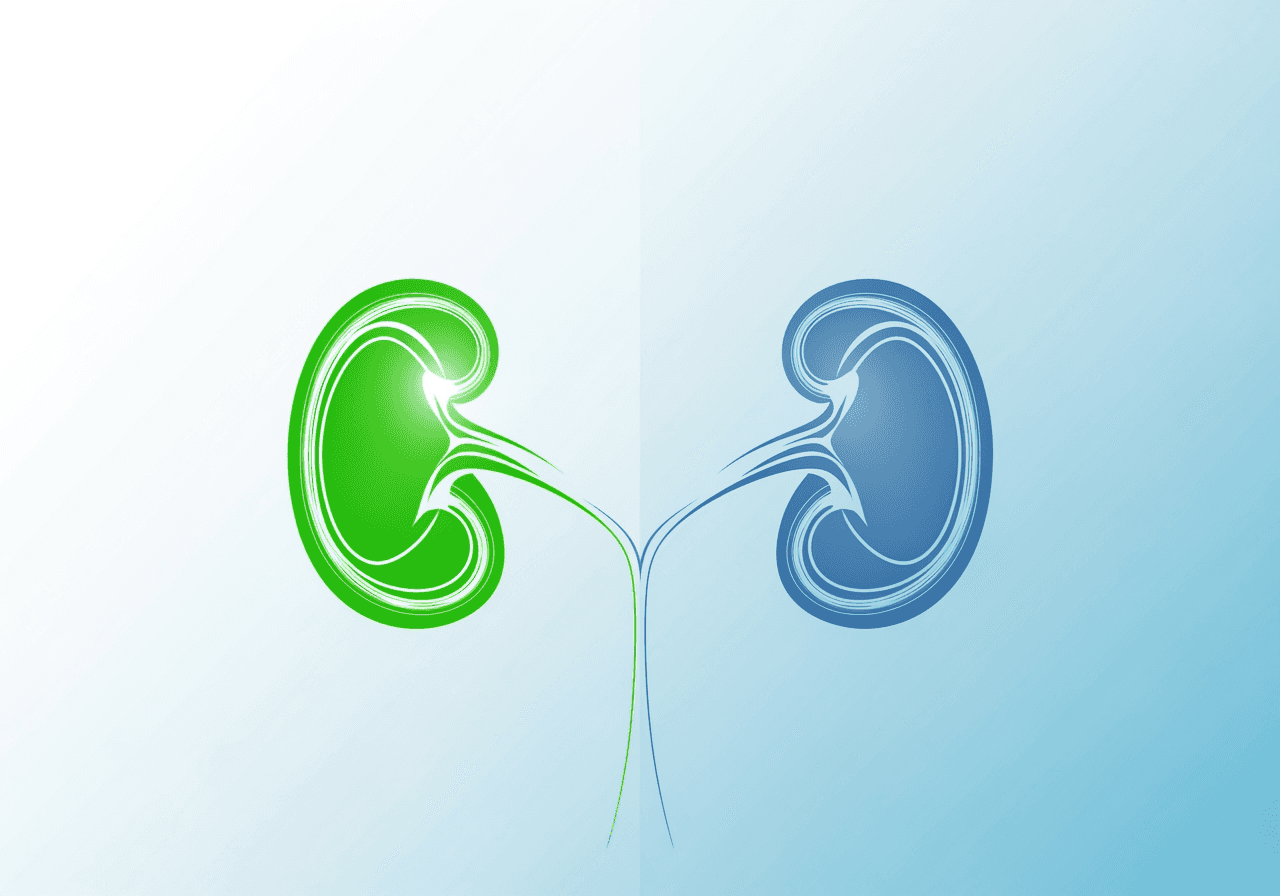
Choosing Between Treatment Options for Kidney Transplant
06 Dec, 2025
 Healthtrip
- Understanding Kidney Transplant: A Life-Saving Procedure
- Evaluating Transplant Eligibility: Who is a Candidate?
- Living Donor vs. Deceased Donor Transplants: Weighing the Options
- Pre-Transplant Evaluation: What to Expect at Saudi German Hospital Cairo, Egypt,Fortis Memorial Research Institute, Gurgaon, Memorial Sisli Hospital?
- Immunosuppressant Medications: Managing the Post-Transplant Journey
- Exploring Alternative Treatment Options for Kidney Failure: Beyond Transplant
- Making an Informed Decision: Partnering with Your Healthcare Team
- Conclusion: Empowering Your Kidney Transplant Journey
Understanding Kidney Transplant Options
Kidney transplantation involves surgically implanting a healthy kidney from a donor into a person with kidney failure. The donor kidney takes over the function of filtering waste and excess fluid from the blood, essentially replacing the work of the diseased kidneys. There are two primary types of kidney transplants: deceased donor transplants and living donor transplants. Deceased donor transplants utilize kidneys from individuals who have recently passed away and have consented to organ donation. Living donor transplants, on the other hand, involve receiving a kidney from a living person, often a family member, friend, or even an altruistic stranger. Both types of transplants have their own sets of advantages and considerations. For instance, living donor transplants often result in shorter waiting times and potentially better long-term outcomes due to the kidney being in optimal condition. However, they require a thorough evaluation of both the donor and recipient to ensure compatibility and minimize risks. The choice between these options depends on various factors, including the availability of a suitable living donor, the recipient's overall health condition, and the waiting time for a deceased donor kidney. Hospitals like Fortis Hospital, Noida and Vejthani Hospital offer comprehensive evaluations and guidance to help patients determine the most appropriate transplant option for their specific needs.
Most popular procedures in India



Deceased Donor Transplants
Deceased donor kidney transplants are a life-saving option for many individuals with end-stage renal disease. These transplants utilize kidneys from individuals who have passed away and whose organs have been donated through an established organ donation program. The process involves a rigorous matching system to ensure the donor kidney is a suitable match for the recipient, minimizing the risk of rejection. While waiting for a deceased donor kidney, patients typically remain on dialysis to maintain their health. The waiting time can vary significantly depending on factors such as blood type, tissue type, and the recipient's overall health condition. One of the main advantages of deceased donor transplants is that it doesn't require a living donor, which can be particularly beneficial for those who don't have a compatible or willing living donor. However, the potential drawbacks include longer waiting times and a slightly higher risk of delayed graft function, where the transplanted kidney takes some time to start functioning properly. Medical centers like Memorial Bahçelievler Hospital and Quironsalud Hospital Murcia are adept at performing deceased donor transplants, providing comprehensive care to ensure the best possible outcomes.
Living Donor Transplants
Living donor kidney transplants offer several advantages over deceased donor transplants, making them a preferred option for many patients with kidney failure. In this procedure, a healthy kidney is transplanted from a living person, often a family member, friend, or altruistic donor, to the recipient. One of the key benefits of living donor transplants is the potential for shorter waiting times, as the transplant can be scheduled once compatibility is confirmed. This reduces the amount of time the recipient spends on dialysis, improving their overall quality of life. Additionally, kidneys from living donors often have better long-term outcomes and function more efficiently compared to those from deceased donors. The evaluation process for living donors is extensive, ensuring they are in good health and fully understand the risks involved. While the surgery poses some risks to the donor, such as pain, infection, and potential complications, the overall risk is relatively low, and most donors lead normal, healthy lives after donating a kidney. Hospitals like LIV Hospital, Istanbul and Saudi German Hospital Cairo, Egypt, specialize in living donor kidney transplants, offering comprehensive pre- and post-operative care to both the donor and recipient to ensure the best possible results.

Wellness Treatments
Give yourself the time to relax
Lowest Prices Guaranteed!

Lowest Prices Guaranteed!
Evaluating Your Candidacy for a Kidney Transplant
Determining whether you are a suitable candidate for a kidney transplant involves a thorough evaluation process, assessing various factors related to your overall health and medical history. This comprehensive assessment ensures that the benefits of transplantation outweigh the potential risks. A multidisciplinary team of healthcare professionals, including nephrologists, surgeons, and transplant coordinators, collaborates to evaluate your physical and psychological readiness for the procedure. Factors considered include your age, general health, presence of other medical conditions such as diabetes or heart disease, and your ability to adhere to the post-transplant medication regimen. Certain conditions may preclude you from being a candidate, such as active infections, severe heart or lung disease, or uncontrolled psychiatric illnesses. However, many individuals with these conditions can still be considered after appropriate management and stabilization. The evaluation process also involves extensive blood tests, imaging studies, and consultations with specialists to assess the health of your other organs and identify any potential issues. Healthtrip can help you connect with renowned transplant centers like Singapore General Hospital and Bangkok Hospital, where experienced teams conduct thorough evaluations and provide personalized recommendations based on your individual circumstances, ensuring you make an informed decision about your treatment options.
Medical Evaluation and Criteria
The medical evaluation for kidney transplant candidacy is a rigorous process designed to ensure the best possible outcomes for patients. This evaluation involves a comprehensive assessment of your overall health, including a detailed medical history, physical examination, and various diagnostic tests. Key criteria include assessing the function of your heart, lungs, and liver, as well as screening for infections and malignancies. Individuals with uncontrolled heart disease, active infections, or advanced liver disease may not be suitable candidates for transplantation. Blood tests are crucial to determine your blood type, tissue type, and antibody levels, which help in matching you with a compatible donor. Additionally, psychological and social evaluations are conducted to assess your ability to adhere to the strict post-transplant medication regimen and lifestyle changes. These evaluations ensure that you have the necessary support system and coping mechanisms to manage the challenges of transplantation. Transplant centers such as Mount Elizabeth Hospital and NMC Specialty Hospital, Al Nahda, Dubai, meticulously review each candidate's medical profile to determine their suitability for transplant, prioritizing patient safety and long-term success. Healthtrip facilitates access to these top-tier facilities, ensuring that potential recipients receive thorough evaluations and expert guidance.
Psychological and Social Considerations
Beyond the medical aspects, psychological and social factors play a crucial role in determining your suitability for a kidney transplant. Undergoing a transplant is a significant life event that requires substantial emotional and social support. Transplant centers typically conduct psychological evaluations to assess your mental health, coping mechanisms, and ability to handle the stress and demands of transplantation. These evaluations aim to identify any pre-existing mental health conditions, such as depression or anxiety, which may need to be addressed before the transplant. Additionally, social support is a critical factor, as you'll need a reliable network of family and friends to assist with transportation, appointments, and post-transplant care. Financial stability is also considered, as transplantation can be expensive, and you'll need to manage ongoing medication costs. A strong support system and the ability to adhere to the rigorous post-transplant regimen are essential for a successful outcome. Hospitals like Taoufik Hospitals Group, Tunisia, and Max Healthcare Saket, recognize the importance of these factors and provide comprehensive support services, including counseling and support groups, to help you navigate the emotional and social challenges of transplantation. Healthtrip ensures that you have access to these holistic care services, promoting a well-rounded approach to your transplant journey.
Understanding the Waiting List and Matching Process
Navigating the kidney transplant waiting list and the matching process can often feel like a complex maze. Patients with end-stage renal disease are placed on a national waiting list managed by organizations like the United Network for Organ Sharing (UNOS) in the United States or similar bodies in other countries. The waiting time for a deceased donor kidney can vary significantly, depending on factors such as blood type, tissue type, and the availability of compatible donors in your region. The matching process involves comparing the potential donor's kidney with the recipient's immune profile to minimize the risk of rejection. Factors like blood type compatibility, human leukocyte antigen (HLA) matching, and the presence of antibodies against donor antigens are carefully considered. The more closely the donor and recipient match, the lower the risk of rejection and the better the long-term outcomes. While waiting, it's crucial to maintain regular contact with your transplant center and adhere to their recommendations regarding dialysis and overall health management. Hospitals like Yanhee International Hospital and Fortis Escorts Heart Institute work diligently to ensure that patients on the waiting list receive timely updates and are prepared for when a suitable donor kidney becomes available. Healthtrip aims to provide you with the resources and information needed to understand the waiting list and matching process, empowering you to advocate for your health and well-being during this critical time.
Criteria for Prioritization on the Waiting List
Prioritization on the kidney transplant waiting list is a complex process governed by specific criteria designed to ensure fair and efficient allocation of available organs. Several factors influence your position on the list, including blood type, tissue type (HLA matching), the presence of pre-existing antibodies against donor antigens (sensitization), and the length of time spent on dialysis. Blood type compatibility is essential, as receiving a kidney from an incompatible blood type can lead to immediate rejection. HLA matching involves comparing the donor's and recipient's human leukocyte antigens, which play a crucial role in the immune system. A better HLA match reduces the risk of rejection. Sensitization refers to the presence of antibodies that can react against donor cells, increasing the likelihood of rejection. Highly sensitized patients may have a more challenging time finding a compatible donor and may require specialized desensitization therapies. In addition to these immunological factors, medical urgency and overall health status are also considered. Patients with more severe kidney disease or other medical complications may be given higher priority. Transplant centers like Jiménez Díaz Foundation University Hospital and Pantai Hospital Kuala Lumpur, Malaysia, adhere to strict national and international guidelines to ensure equitable organ allocation. Healthtrip provides access to information on these prioritization criteria, helping you understand how your individual circumstances influence your position on the waiting list.
Understanding the Matching System
The kidney transplant matching system is a sophisticated process designed to optimize the compatibility between donor kidneys and potential recipients. This system aims to minimize the risk of rejection and improve long-term transplant outcomes. Key components of the matching system include blood type compatibility, HLA (human leukocyte antigen) matching, and assessment of antibodies against donor antigens. Blood type compatibility is fundamental, as receiving a kidney from an incompatible blood type can lead to immediate rejection. HLA matching involves comparing the donor's and recipient's HLA types, which are proteins on the surface of cells that play a crucial role in the immune response. The closer the HLA match, the lower the risk of rejection. Antibodies against donor antigens, also known as preformed antibodies, can react against the donor kidney and cause rejection. Patients with high levels of these antibodies may require specialized treatment, such as desensitization therapy, to reduce the risk of rejection. The matching system uses sophisticated algorithms to analyze this information and identify the best possible match for each available kidney. Factors such as the recipient's waiting time, medical urgency, and geographic location may also be considered in the matching process. Transplant centers like Helios Klinikum Erfurt and Quironsalud Hospital Toledo utilize advanced matching technologies to ensure the best possible outcomes for their patients. Healthtrip provides resources to help you understand the complexities of the matching system, enabling you to have informed discussions with your healthcare team.
The Kidney Transplant Procedure: What to Expect
Undergoing a kidney transplant is a significant medical event, and knowing what to expect can help alleviate anxiety and promote a smoother recovery. The procedure typically involves a surgical incision in the lower abdomen, through which the new kidney is placed. The surgeon connects the donor kidney's blood vessels to your blood vessels, allowing it to receive blood and begin filtering waste. The ureter, which carries urine from the kidney to the bladder, is also connected. The operation usually takes several hours, and you'll be under general anesthesia. After the transplant, you'll be closely monitored in the hospital for several days to ensure the new kidney is functioning properly and to detect any signs of rejection or complications. You'll receive immunosuppressant medications to prevent your body from rejecting the new kidney, and these medications will need to be taken for the rest of your life. The recovery period varies, but most people can return to their normal activities within a few months. Regular follow-up appointments are essential to monitor kidney function and adjust medications as needed. Transplant centers like Hisar Intercontinental Hospital and BNH Hospital provide comprehensive pre- and post-operative care, ensuring you're well-prepared for the transplant and receive the support needed for a successful recovery. Healthtrip connects you with these reputable centers, offering personalized guidance and resources throughout your transplant journey.
Surgical Process and Techniques
The surgical process for a kidney transplant involves meticulous techniques to ensure the successful implantation of the donor kidney. Typically, the procedure begins with an incision in the lower abdomen, through which the surgeon accesses the iliac vessels. The donor kidney is carefully placed in the lower abdomen, and its renal artery and vein are connected to the recipient's iliac artery and vein. This allows the new kidney to receive blood and begin filtering waste. The ureter, which carries urine from the kidney to the bladder, is then connected to the recipient's bladder. In most cases, the recipient's original kidneys are not removed unless they are causing complications such as infection or high blood pressure. The entire surgical procedure typically takes several hours, and the patient is under general anesthesia. Minimally invasive techniques, such as laparoscopic or robotic-assisted surgery, may be used in some cases to reduce the size of the incision and promote faster recovery. These techniques involve using small incisions and specialized instruments to perform the transplant. Experienced transplant surgeons at centers like Cleveland Clinic London and Saudi German Hospital Dammam employ the latest surgical techniques to optimize outcomes and minimize complications. Healthtrip ensures that you have access to these skilled surgeons and advanced facilities, providing you with the best possible care during your transplant.
Post-Transplant Care and Monitoring
Post-transplant care is a critical phase that ensures the long-term success of a kidney transplant. Immediately after the surgery, you'll be closely monitored in the hospital for signs of rejection, infection, or other complications. You'll receive immunosuppressant medications to prevent your body from rejecting the new kidney, and these medications will need to be taken for the rest of your life. Regular blood tests and urine tests are performed to monitor kidney function and adjust medication dosages as needed. It's essential to adhere to the prescribed medication regimen and follow all instructions provided by your transplant team. You'll also need to adopt a healthy lifestyle, including a balanced diet, regular exercise, and avoiding smoking and excessive alcohol consumption. Regular follow-up appointments with your transplant team are crucial for monitoring your overall health and detecting any potential problems early on. Transplant centers like NMC Royal Hospital, DIP, Dubai, and Helios Emil von Behring provide comprehensive post-transplant care, including education, counseling, and ongoing support to help you maintain your health and well-being. Healthtrip connects you with these centers, ensuring you receive the necessary care and support for a successful long-term outcome.
Managing Immunosuppressant Medications
Immunosuppressant medications are a cornerstone of kidney transplant care, playing a vital role in preventing the body from rejecting the new kidney. These medications work by suppressing the immune system, reducing its ability to recognize and attack the transplanted organ. However, this suppression also increases the risk of infections and other side effects. Common immunosuppressant medications include calcineurin inhibitors (such as tacrolimus and cyclosporine), mTOR inhibitors (such as sirolimus and everolimus), antimetabolites (such as mycophenolate mofetil), and corticosteroids (such as prednisone). The specific combination and dosage of these medications are tailored to each individual based on their immune profile and overall health. It's crucial to take these medications exactly as prescribed and to attend all follow-up appointments for monitoring. Side effects can vary depending on the medication and may include high blood pressure, high cholesterol, diabetes, increased risk of infections, and certain types of cancer. Managing these side effects often requires adjustments in medication dosages or the addition of other medications to counteract the effects. Transplant centers like The Royal Marsden Private Care, London, and CGH Hospital, offer comprehensive education and support to help you understand your medications and manage any side effects that may arise. Healthtrip provides resources to help you stay informed and proactive in managing your immunosuppressant medications, ensuring the long-term success of your transplant.
Types of Immunosuppressants and Their Side Effects
Immunosuppressant medications are essential for preventing rejection after a kidney transplant, but they come with a range of potential side effects that need careful management. Calcineurin inhibitors like tacrolimus and cyclosporine are commonly used to suppress the immune system, but they can cause kidney damage, high blood pressure, and neurological issues. mTOR inhibitors such as sirolimus and everolimus can lead to elevated cholesterol levels, delayed wound healing, and mouth sores. Antimetabolites like mycophenolate mofetil can cause gastrointestinal problems and increase the risk of infections. Corticosteroids like prednisone, while effective in preventing rejection, can result in weight gain, mood swings, and bone thinning over time. Each of these medications has a specific mechanism of action and a unique set of potential side effects. The transplant team carefully monitors patients for these side effects and adjusts medication dosages as needed to balance the benefits of immunosuppression with the risks of complications. Regular blood tests and check-ups are essential to detect and manage any adverse effects early on. Transplant centers like London Medical and NPISTANBUL Brain Hospital provide comprehensive monitoring and support to help patients manage their immunosuppressant medications effectively. Healthtrip offers valuable resources to help you understand the different types of immunosuppressants and their potential side effects, empowering you to take an active role in your post-transplant care.
Adherence to Medication Regimen
Adherence to the prescribed medication regimen is paramount for the long-term success of a kidney transplant. Immunosuppressant medications prevent the body from rejecting the new kidney, and missing doses or taking medications inconsistently can increase the risk of rejection. Non-adherence is a significant concern, as it can lead to graft loss and the need for dialysis. To ensure adherence, it's crucial to understand the importance of each medication, how it works, and the potential consequences of missing doses. Creating a routine for taking medications at the same time each day can help, as can using pill organizers or setting reminders. Involving family members or caregivers in the medication management process can also provide valuable support. Open communication with the transplant team is essential, as they can address any concerns or barriers to adherence. Strategies for improving adherence may include simplifying the medication regimen, providing education and counseling, and addressing any underlying psychological or social issues. Transplant centers like Saudi German Hospital Alexandria, Egypt and Taoufik Clinic, Tunisia, emphasize the importance of adherence and provide ongoing support to help patients stay on track with their medications. Healthtrip offers resources and tools to help you manage your medication regimen effectively, promoting the long-term success of your transplant.
Potential Risks and Complications
While kidney transplantation offers significant benefits, it's important to be aware of the potential risks and complications associated with the procedure. Rejection is one of the most significant concerns, occurring when the body's immune system attacks the transplanted kidney. Rejection can be acute, occurring within the first few months after transplantation, or chronic, developing gradually over time. Immunosuppressant medications are used to prevent rejection, but these medications also increase the risk of infections. Common infections include urinary tract infections, pneumonia, and viral infections such as cytomegalovirus (CMV). Other potential complications include surgical complications such as bleeding or blood clots, kidney dysfunction, and medication side effects. Long-term complications can include cardiovascular disease, cancer, and recurrence of the original kidney disease. Regular monitoring and follow-up appointments are essential to detect and manage any complications early on. Transplant centers like First Fertility Bishkek, Kyrgyzstan, and OCM Orthopädische Chirurgie München, provide comprehensive care to minimize the risk of complications and ensure the best possible outcomes. Healthtrip connects you with these experienced centers, offering the resources and support you need to navigate the potential risks and complications of kidney transplantation.
Rejection: Types, Symptoms, and Treatment
Rejection is a significant concern following a kidney transplant, occurring when the recipient's immune system attacks the transplanted kidney. There are several types of rejection, including acute rejection, chronic rejection, and antibody-mediated rejection. Acute rejection typically occurs within the first few months after transplantation and is often reversible with prompt treatment. Symptoms of acute rejection may include fever, decreased urine output, swelling, and tenderness over the transplant site. Chronic rejection develops gradually over time and is often more difficult to treat. It can lead to progressive kidney damage and eventual graft loss. Antibody-mediated rejection occurs when antibodies in the recipient's blood attack the donor kidney. Treatment for rejection typically involves increasing the dosage of immunosuppressant medications or using different immunosuppressant drugs. In some cases, plasmapheresis or intravenous immunoglobulin (IVIG) may be used to remove antibodies from the blood. Regular monitoring and follow-up appointments are essential to detect rejection early on and initiate appropriate treatment. Transplant centers like Real Clinic and Breyer, Kaymak & Klabe Augenchirurgie are equipped to diagnose and manage rejection effectively, providing comprehensive care to preserve kidney function. Healthtrip offers access to information and resources to help you understand the different types of rejection and the available treatment options.
Infections and Other Medical Complications
Infections are a significant concern after kidney transplantation, as immunosuppressant medications weaken the immune system, making patients more susceptible to infections. Common infections include urinary tract infections, respiratory infections, and viral infections such as cytomegalovirus (CMV) and BK virus. Symptoms of infection may include fever, chills, cough, and fatigue. Prompt diagnosis and treatment are essential to prevent serious complications. In addition to infections, other medical complications can occur after transplantation, including cardiovascular disease, diabetes, and cancer. Immunosuppressant medications can increase the risk of these conditions, so regular monitoring and preventive measures are crucial. Cardiovascular disease is a leading cause of death in transplant recipients, so managing blood pressure, cholesterol, and weight is essential. Diabetes can also develop after transplantation, requiring careful management of blood sugar levels. Certain immunosuppressant medications can increase the risk of certain types of cancer, so regular cancer screenings are recommended. Transplant centers like Eyesite Eyecare Centres and Hegde Hospital provide comprehensive care to prevent and manage infections and other medical complications, ensuring the long-term health and well-being of transplant recipients. Healthtrip connects you with these experienced centers, offering the resources and support you need to navigate the potential medical challenges of transplantation.
Living a Healthy Life After Kidney Transplant
Living a healthy life after a kidney transplant involves adopting lifestyle habits that promote the long-term health and function of the transplanted kidney. This includes following a balanced diet, engaging in regular physical activity, and adhering to the prescribed medication regimen. A healthy diet should be low in sodium, saturated fat, and cholesterol, and high in fruits, vegetables, and whole grains. Regular physical activity, such as walking, swimming, or cycling, can help maintain a healthy weight, improve cardiovascular health, and boost the immune system. It's also important to avoid smoking and excessive alcohol consumption, as these can damage the kidneys and increase the risk of other health problems. Regular follow-up appointments with your transplant team are essential to monitor kidney function and adjust medications as needed. It's also important to stay up-to-date on vaccinations to protect against infections. Maintaining a positive attitude and managing stress can also contribute to overall well-being. Transplant centers like Dr. Hassan Al-Abdulla Medical Center and QUIRONSALUD PROTON THERAPY CENTRE provide comprehensive education and support to help you adopt a healthy lifestyle after transplantation. Healthtrip connects you with these centers, offering the resources and guidance you need to live a fulfilling and healthy life with your new kidney.
Diet and Exercise Recommendations
Following a well-balanced diet and engaging in regular exercise are vital components of a healthy lifestyle after a kidney transplant. A kidney-friendly diet typically involves limiting sodium intake to help control blood pressure, reducing phosphorus to protect bone health, and monitoring potassium levels, as some immunosuppressants can affect potassium balance. Emphasize lean proteins, whole grains, fruits, and vegetables, while avoiding processed foods, sugary drinks, and excessive alcohol consumption. Consult with a registered dietitian to create a personalized meal plan that meets your individual needs and preferences. Regular exercise can improve cardiovascular health, boost the immune system, and help maintain a healthy weight. Aim for at least 30 minutes of moderate-intensity exercise most days of the week. Activities like walking, swimming, cycling, and yoga are excellent choices. However, it's important to start slowly and gradually increase the intensity and duration of your workouts. Before starting any new exercise program, consult with your transplant team to ensure it's safe and appropriate for you. They can provide specific recommendations based on your individual health status and fitness level. Transplant centers like NewGenIvf Group, Hon Kong and KPJ Ampang Puteri Specialist Hospital, Kuala Lumpur, Malaysia, offer comprehensive dietary and exercise counseling to help you adopt healthy habits. Healthtrip provides access to these resources, supporting you in maintaining a healthy and active lifestyle after your kidney transplant.
Emotional Well-being and Support Systems
Maintaining emotional well-being and having strong support systems are crucial for a successful recovery and a fulfilling life after a kidney transplant. The transplant process can be emotionally challenging, and many patients experience anxiety, depression, or stress. It's important to acknowledge these feelings and seek support from family, friends, or mental health professionals. Joining a support group can provide a sense of community and allow you to connect with others who have undergone similar experiences. Engaging in activities that bring you joy and relaxation can also help improve your emotional well-being. This may include hobbies, spending time in nature, or practicing mindfulness or meditation. Strong social support is essential for managing the challenges of transplantation. Having a reliable network of family and friends can provide emotional support, practical assistance, and encouragement. If you're feeling overwhelmed or struggling to cope, don't hesitate to reach out for professional help. Transplant centers like IERA Lisbon Assisted Reproduction Institute and Quironsalud Hospital Murcia offer counseling services and support groups to help you navigate the emotional aspects of transplantation. Healthtrip connects you with these resources, ensuring you have the support you need to thrive after your kidney transplant.
Understanding Kidney Transplant: A Life-Saving Procedure
Imagine your kidneys, those unsung heroes tirelessly filtering waste and excess fluids from your blood, suddenly throwing in the towel. Chronic kidney disease, or kidney failure, can stealthily creep into your life, leaving you feeling drained, unwell, and facing a daunting reality. But there's a beacon of hope: kidney transplantation. It's not just a medical procedure; it's a chance at a new lease on life, a return to normalcy, and the freedom to pursue dreams long put on hold. A kidney transplant involves surgically replacing a diseased kidney with a healthy one from either a living or deceased donor. This remarkable operation can restore kidney function, allowing you to live without the constant burden of dialysis. Think of it as hitting the reset button, giving your body the support it needs to thrive. And for many, it’s not just about extending life, but enhancing its quality – boosting energy levels, improving appetite, and liberating them from the rigid schedule of dialysis treatments. Healthtrip is committed to guiding you through every step of this transformative journey, connecting you with world-class medical facilities and expert healthcare professionals who can provide personalized care and support. Whether it's finding the right hospital like Saudi German Hospital Cairo, Egypt, or understanding the intricacies of the transplant process, Healthtrip is your trusted companion on the path to renewed health and well-being.
Evaluating Transplant Eligibility: Who is a Candidate?
So, you're considering a kidney transplant. That's fantastic! But who exactly is a suitable candidate for this life-changing procedure? It's not a one-size-fits-all answer, as doctors meticulously evaluate several factors to determine if a transplant is the best course of action. Generally, individuals with end-stage renal disease (ESRD), whose kidneys are functioning at only a fraction of their normal capacity, are considered. This typically means you're already undergoing dialysis or are rapidly approaching that stage. However, eligibility goes beyond just kidney function. Your overall health plays a crucial role. Doctors will assess your cardiovascular health, looking for any significant heart issues that could complicate the surgery or recovery. They'll also evaluate for the presence of infections, cancer, or other serious medical conditions that might compromise the success of the transplant. Mental and emotional well-being are also important considerations, as the transplant journey requires resilience and a strong support system. At facilities like Fortis Memorial Research Institute, Gurgaon, a multidisciplinary team of nephrologists, surgeons, and psychologists work together to thoroughly assess each patient. They'll consider your medical history, conduct comprehensive physical and psychological evaluations, and discuss your lifestyle and ability to adhere to the post-transplant care regimen. Ultimately, the goal is to ensure that a kidney transplant offers the greatest chance of long-term success and improved quality of life. Healthtrip can help you navigate this complex evaluation process, providing resources and connecting you with experienced medical professionals who can guide you every step of the way.
Living Donor vs. Deceased Donor Transplants: Weighing the Options
When it comes to kidney transplants, one of the biggest decisions you'll face is whether to pursue a living donor or deceased donor transplant. Both options offer unique advantages and considerations. A living donor transplant involves receiving a kidney from a healthy, living person – often a family member, friend, or even an altruistic stranger. The incredible benefit here is that the kidney is usually in optimal condition, leading to potentially better long-term outcomes. Plus, the surgery can be scheduled electively, meaning less time spent on dialysis waiting for a match. On the other hand, a deceased donor transplant involves receiving a kidney from someone who has recently passed away. While this option doesn't require finding a living donor, it does involve a potentially longer wait time on the transplant list. The availability of deceased donor kidneys depends on various factors, including blood type compatibility, tissue matching, and geographical location. At centers like Memorial Sisli Hospital, transplant teams carefully evaluate these factors to ensure the best possible match. Both living and deceased donor transplants require thorough medical evaluations of both the recipient and the donor (in the case of living donation). Doctors will assess overall health, blood type compatibility, and tissue matching to minimize the risk of rejection. They'll also discuss the potential risks and benefits of each option in detail, allowing you to make an informed decision that aligns with your individual circumstances and preferences. Healthtrip understands the weight of this decision and is here to provide you with the information and support you need to navigate this critical step in your transplant journey.
Also Read:
Pre-Transplant Evaluation: What to Expect at Saudi German Hospital Cairo, Egypt, Fortis Memorial Research Institute, Gurgaon, Memorial Sisli Hospital?
Embarking on a kidney transplant journey begins with a comprehensive pre-transplant evaluation, a crucial step in determining your suitability for the procedure. This thorough assessment is designed to evaluate your overall health, identify any potential risks, and ensure the best possible outcome after transplantation. Understanding what to expect during this evaluation can help alleviate anxiety and empower you to actively participate in your care. The pre-transplant evaluation involves a series of medical tests, physical examinations, and psychological assessments. These evaluations may vary slightly between transplant centers, such as at Saudi German Hospital Cairo, Egypt (https://www.healthtrip.com/hospital/saudi-german-hospital-cairo), Fortis Memorial Research Institute, Gurgaon (https://www.healthtrip.com/hospital/fortis-memorial-research-institute), and Memorial Sisli Hospital (https://www.healthtrip.com/hospital/memorial-sisli-hospital), but generally include a detailed medical history, a physical exam to assess your general health and identify any underlying conditions, blood tests to evaluate kidney function, blood type, and screen for infections and antibodies and imaging studies such as X-rays, ultrasounds, or CT scans to visualize the kidneys and surrounding structures. In addition, psychological and social evaluations may be done to assess your mental and emotional well-being, coping mechanisms, and support system. The evaluation helps the transplant team determine if you are a suitable candidate for a kidney transplant and ensures that you are well-prepared for the surgery and post-transplant care.
Navigating the Evaluation Process: A Step-by-Step Guide
The pre-transplant evaluation can feel overwhelming, but understanding the process can make it more manageable. First, you'll meet with a transplant nephrologist, a kidney specialist, who will review your medical history, conduct a physical exam, and order necessary tests. Be prepared to answer detailed questions about your past and present health conditions, medications, allergies, and lifestyle habits. It's helpful to bring a list of your medications and any relevant medical records to the appointment. Next, you'll undergo a series of diagnostic tests, including blood and urine tests, imaging studies, and possibly a heart evaluation to assess your overall health. These tests help the transplant team evaluate your kidney function, detect any infections or abnormalities, and ensure your heart is strong enough to withstand the transplant surgery. The psychological and social evaluation is also an important part of the process. A mental health professional will assess your emotional well-being, coping strategies, and support system. This evaluation helps identify any potential challenges you may face after the transplant and ensures you have the resources and support needed for a successful recovery. Finally, once all the evaluations are complete, the transplant team will review your case and determine if you are a suitable candidate for a kidney transplant. They will discuss the findings with you and answer any questions you may have. If you are approved for transplant, you will be placed on the transplant waiting list.
Seeking Support and Guidance During the Evaluation
The pre-transplant evaluation can be an emotionally challenging experience. It's important to seek support from your family, friends, and healthcare team. Don't hesitate to ask questions and express your concerns. Your healthcare team is there to provide you with information, guidance, and emotional support throughout the process. Consider joining a support group for kidney transplant patients. Sharing your experiences with others who have gone through the same process can be incredibly helpful and empowering. You can also find valuable resources and information online through reputable organizations such as the National Kidney Foundation and the American Society of Transplantation. Remember, you are not alone on this journey. There are many people who care about you and want to help you succeed. Take advantage of the resources available to you and stay positive. With the right support and preparation, you can navigate the pre-transplant evaluation with confidence and optimism. Facilities like Saudi German Hospital Cairo, Egypt, Fortis Memorial Research Institute, Gurgaon, and Memorial Sisli Hospital have dedicated teams to guide you through each step, ensuring you are well-informed. Understanding each step and seeking support can significantly ease the stress of the pre-transplant process.
Immunosuppressant Medications: Managing the Post-Transplant Journey
After a kidney transplant, your body's immune system will naturally recognize the new kidney as foreign and attempt to reject it. To prevent this, you will need to take immunosuppressant medications for the rest of your life. These medications suppress the immune system, preventing it from attacking the transplanted kidney. While these medications are essential for preventing rejection, they also come with potential side effects that need to be carefully managed. Understanding how these medications work, their potential side effects, and how to manage them is crucial for a successful post-transplant journey. The goal of immunosuppression is to strike a balance between preventing rejection and minimizing side effects. The transplant team will carefully tailor your medication regimen to your individual needs and monitor you closely for any signs of rejection or adverse effects.
Understanding How Immunosuppressants Work
Immunosuppressant medications work by targeting different parts of the immune system. There are several different types of immunosuppressants, each with its own mechanism of action. Some common types of immunosuppressants include calcineurin inhibitors (CNIs), such as tacrolimus and cyclosporine, which block the activation of T cells, a type of white blood cell that plays a key role in the immune response. Another one is mTOR inhibitors, such as sirolimus and everolimus, which interfere with the growth and proliferation of T cells. Antimetabolites, such as mycophenolate mofetil, inhibit the production of DNA and RNA, which are essential for cell growth and division. Corticosteroids, such as prednisone, have broad anti-inflammatory and immunosuppressive effects. These medications are often used in combination to provide a more comprehensive suppression of the immune system. The specific combination of medications and the dosages will vary depending on your individual needs and risk factors. Your transplant team will carefully monitor your response to the medications and adjust the dosages as needed to achieve the optimal balance between preventing rejection and minimizing side effects. Regular blood tests are essential to monitor the levels of the medications in your blood and to assess your kidney function and overall health.
Managing Potential Side Effects
While immunosuppressant medications are essential for preventing rejection, they can also cause a range of side effects. Some common side effects include an increased risk of infection, high blood pressure, high cholesterol, weight gain, diabetes, and an increased risk of certain types of cancer. It's important to be aware of these potential side effects and to take steps to manage them. To reduce your risk of infection, practice good hygiene, such as washing your hands frequently, avoiding close contact with sick people, and getting vaccinated against common infections. Your doctor may also prescribe prophylactic medications to prevent certain infections. To manage high blood pressure and high cholesterol, follow a healthy diet, exercise regularly, and take any medications prescribed by your doctor. Weight gain can be a common side effect of corticosteroids. Following a healthy diet and exercising regularly can help you maintain a healthy weight. To prevent diabetes, follow a healthy diet and monitor your blood sugar levels regularly. If you develop diabetes, your doctor may prescribe medication to help control your blood sugar. It's also important to protect yourself from the sun, as immunosuppressants can increase your risk of skin cancer. Wear sunscreen, hats, and protective clothing when you're outdoors. Report any unusual symptoms or changes in your health to your transplant team promptly. They can adjust your medications or recommend other treatments to manage the side effects. Regular follow-up appointments with your transplant team are essential to monitor your health and adjust your medication regimen as needed.
Also Read:
Exploring Alternative Treatment Options for Kidney Failure: Beyond Transplant
While kidney transplantation offers the best chance for a long and healthy life for many people with kidney failure, it is not always a viable option for everyone. There are several alternative treatment options available to manage kidney failure and improve quality of life. These options can provide relief from symptoms, slow the progression of kidney disease, and extend survival. Understanding these alternatives is crucial for making informed decisions about your care. The most common alternative to kidney transplantation is dialysis, a life-sustaining treatment that removes waste products and excess fluid from the blood when the kidneys are no longer able to do so. There are two main types of dialysis: hemodialysis and peritoneal dialysis. In addition, conservative management, also known as palliative care, focuses on managing the symptoms of kidney failure and improving quality of life without attempting to replace kidney function. This approach may be appropriate for people who are not candidates for dialysis or transplant, or who choose not to pursue these treatments.
Dialysis: Hemodialysis and Peritoneal Dialysis
Dialysis is a life-saving treatment that filters waste products and excess fluid from the blood when the kidneys fail. Hemodialysis involves using a machine to filter the blood outside the body. During hemodialysis, blood is drawn from a vein, passed through a dialyzer (artificial kidney), and then returned to the body. Hemodialysis is typically performed at a dialysis center three times a week, with each session lasting about four hours. Peritoneal dialysis involves using the lining of the abdomen (peritoneum) as a natural filter. A catheter is surgically implanted into the abdomen, and a special solution called dialysate is infused into the abdominal cavity. The dialysate absorbs waste products and excess fluid from the blood, and then it is drained from the abdomen. Peritoneal dialysis can be performed at home, allowing for greater flexibility and independence. There are two main types of peritoneal dialysis: continuous ambulatory peritoneal dialysis (CAPD) and automated peritoneal dialysis (APD). CAPD involves manually exchanging the dialysate several times a day, while APD uses a machine to automatically exchange the dialysate overnight. The choice between hemodialysis and peritoneal dialysis depends on several factors, including your medical condition, lifestyle, and preferences. Your doctor will discuss the pros and cons of each option with you and help you choose the best treatment for your individual needs.
Conservative Management: Focusing on Quality of Life
Conservative management, also known as palliative care, is an approach to managing kidney failure that focuses on relieving symptoms and improving quality of life without attempting to replace kidney function. This approach may be appropriate for people who are not candidates for dialysis or transplant, or who choose not to pursue these treatments. Conservative management involves a multidisciplinary team of healthcare professionals, including nephrologists, nurses, social workers, and palliative care specialists. The team works together to develop a personalized care plan that addresses your individual needs and goals. The focus is on controlling symptoms such as pain, nausea, fatigue, and shortness of breath. Medications, dietary changes, and other therapies may be used to manage these symptoms. Psychological and emotional support is also an important part of conservative management. The team can help you cope with the emotional challenges of kidney failure and provide support to your family and caregivers. Conservative management can improve your quality of life, reduce hospitalizations, and extend survival. It's important to have an open and honest discussion with your doctor about your goals and preferences for treatment. Together, you can make an informed decision about the best approach for managing your kidney failure.
Also Read:
Making an Informed Decision: Partnering with Your Healthcare Team
Navigating the world of kidney failure and transplantation can feel overwhelming, but remember, you're not alone. Making informed decisions about your health is crucial, and it starts with a strong partnership with your healthcare team. This team typically includes nephrologists, transplant surgeons, nurses, dietitians, social workers, and psychologists, all working together to provide you with comprehensive care. Open communication and shared decision-making are key to ensuring that your values, preferences, and goals are respected throughout the process. Don't hesitate to ask questions, voice your concerns, and seek clarification on anything you don't understand. Your healthcare team is there to provide you with the information and support you need to make the best decisions for your unique situation. They can explain the risks and benefits of different treatment options, help you weigh the pros and cons, and guide you through the decision-making process. Remember, you are an active participant in your care, and your voice matters. Building a strong relationship with your healthcare team is essential for a successful transplant journey.
Open Communication: Asking the Right Questions
Effective communication is the cornerstone of informed decision-making. Don't be afraid to ask your healthcare team questions, no matter how small or insignificant they may seem. Some important questions to ask include: What are my treatment options? What are the risks and benefits of each option? What are the potential side effects of the medications? How will the treatment affect my quality of life? What is the long-term outlook? What are the costs associated with the treatment? Your healthcare team should be able to answer these questions clearly and honestly, providing you with the information you need to make informed decisions. It's also helpful to bring a list of questions to your appointments so you don't forget anything. If you don't understand something, don't hesitate to ask for clarification. It's important to feel comfortable and confident with your treatment plan. If you're not satisfied with the answers you're receiving, consider seeking a second opinion. Getting input from multiple healthcare professionals can help you gain a broader perspective and make a more informed decision. Saudi German Hospital Cairo, Egypt, Fortis Memorial Research Institute, Gurgaon, and Memorial Sisli Hospital, among others, emphasize clear patient communication, ensuring you understand every step of the process.
Shared Decision-Making: Weighing Your Options
Shared decision-making is a collaborative process in which you and your healthcare team work together to make decisions about your care. This involves discussing your values, preferences, and goals, as well as the risks and benefits of different treatment options. Your healthcare team should provide you with the information you need to make an informed decision, and you should be actively involved in the decision-making process. Consider the impact of each treatment option on your lifestyle, work, and family. Think about your long-term goals and how each treatment option might affect your ability to achieve them. Talk to your family and friends about your options and get their input. They can provide you with emotional support and help you weigh the pros and cons. Ultimately, the decision is yours, but it's important to make it in partnership with your healthcare team, taking into account all the relevant information and your personal values. By actively participating in the decision-making process, you can feel more empowered and in control of your health.
Conclusion: Empowering Your Kidney Transplant Journey
Embarking on a kidney transplant journey is a significant undertaking that requires careful consideration, thorough preparation, and ongoing commitment. From understanding the basics of kidney transplantation to navigating the pre-transplant evaluation, managing immunosuppressant medications, and exploring alternative treatment options, you've gained valuable insights into the process. Remember, making informed decisions is paramount, and partnering with your healthcare team is essential for a successful outcome. This journey can be challenging, but it can also be incredibly rewarding. With the right knowledge, support, and attitude, you can empower yourself to take control of your health and improve your quality of life. Healthtrip is committed to supporting you every step of the way, connecting you with leading transplant centers, providing access to expert medical opinions, and offering resources to help you navigate the complexities of kidney transplantation. Whether you're considering a transplant in Saudi German Hospital Cairo, Egypt, Fortis Memorial Research Institute, Gurgaon, Memorial Sisli Hospital, or another reputable facility, Healthtrip can help you find the best possible care.
Related Blogs

Why Second Opinions Matter Before Eye Surgery Doctors Explain
Deep medical insights, treatment comparisons, safety standards, and technological updates

International Patients' Guide to Understanding Eye Surgery Terminology
Deep medical insights, treatment comparisons, safety standards, and technological updates

How Healthtrip Ensures Patient Safety During Eye Surgery Procedures
Deep medical insights, treatment comparisons, safety standards, and technological updates

Choosing Between Treatment Options for Eye Surgery
Deep medical insights, treatment comparisons, safety standards, and technological updates

How to Read Your Medical Reports Before Eye Surgery
Deep medical insights, treatment comparisons, safety standards, and technological updates

Breakthrough Medical Technologies Transforming Eye Surgery in India
Deep medical insights, treatment comparisons, safety standards, and technological updates