
Choosing Between Treatment Options for Joint Replacement
06 Dec, 2025
 Healthtrip
- Where to Seek Joint Replacement: A Global Perspective
- Understanding Joint Replacement Options: A Comprehensive Overview
- Who is a Good Candidate for Joint Replacement?
- How to Evaluate Treatment Options: A Step-by-Step Guide
- Examples of Successful Joint Replacements and Patient Stories
- Factors Influencing Your Choice: Cost, Recovery, and More < li>Finding the Right Specialist and Hospital
- Conclusion: Making an Informed Decision About Joint Replacement
Understanding Your Joint Replacement Needs
Before exploring the various treatment options, it's essential to understand your specific condition and the underlying causes of your joint pain. Factors such as the severity of your arthritis, your age, activity level, and overall health will influence the most suitable approach. Are you experiencing pain primarily in the hip, knee, or shoulder? Is the pain constant, or does it flare up with certain activities? These details will help your doctor, potentially one of the skilled professionals we connect you with at Healthtrip from places like Max Healthcare Saket or NMC Royal Hospital DIP in Dubai, assess the extent of the damage and determine the best course of action. Diagnostic tests, such as X-rays, MRIs, and physical examinations, will provide valuable insights into the condition of your joint. Your doctor will also discuss your lifestyle goals and expectations for joint replacement surgery. It's crucial to have an open and honest conversation with your healthcare provider to ensure that your treatment plan aligns with your personal needs and preferences. Remember, this is a collaborative effort, and your input is invaluable.
Most popular procedures in India



Types of Joint Replacement Surgery
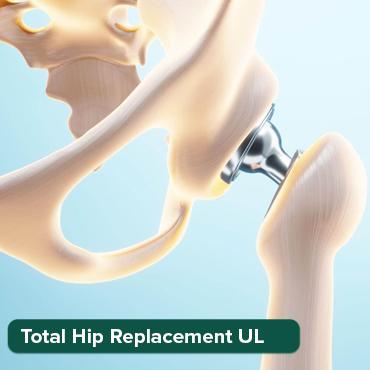
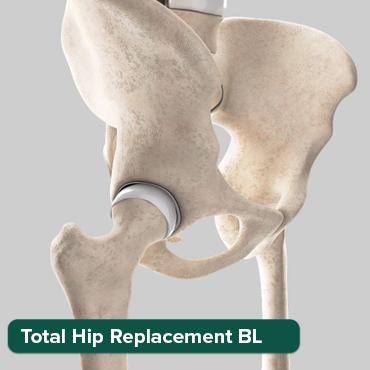
There are several types of joint replacement surgery, each designed to address specific joint problems. Total joint replacement involves replacing the entire damaged joint with an artificial implant made of metal, plastic, or ceramic. Partial joint replacement, also known as unicompartmental joint replacement, replaces only the damaged portion of the joint, preserving the healthy tissue. This option is often suitable for individuals with localized arthritis in the knee. Another approach is joint resurfacing, which involves smoothing the damaged surface of the joint and covering it with a metal cap. This technique preserves more of the natural bone than total joint replacement. Your surgeon, perhaps one from the experienced teams at Bangkok Hospital or Quironsalud Hospital Murcia, will consider the extent of your joint damage, your age, and activity level to determine the most appropriate surgical technique. Minimally invasive surgery, which involves smaller incisions and less tissue disruption, may also be an option. Discussing the pros and cons of each approach with your doctor will help you make an informed decision. Remember that Healthtrip can facilitate consultations with specialists who can explain these options in detail.
Factors to Consider When Choosing a Treatment
Choosing the right joint replacement treatment involves carefully considering several factors. Your age, overall health, and activity level play a significant role. Younger, more active individuals may benefit from joint resurfacing or partial joint replacement, which preserves more of the natural bone. However, the long-term durability of these procedures may not be as high as total joint replacement. Older individuals or those with more severe arthritis may be better suited for total joint replacement, which provides greater pain relief and improved function. Your surgeon, potentially one we can connect you with from Hisar Intercontinental Hospital in Istanbul or Saudi German Hospital Cairo, will also assess your bone density, muscle strength, and any underlying medical conditions. It's important to discuss your lifestyle goals and expectations for joint replacement surgery. Do you want to return to high-impact activities, or are you primarily seeking pain relief and improved mobility for daily tasks? Your surgeon will help you weigh the risks and benefits of each treatment option and develop a personalized plan that aligns with your individual needs. Healthtrip aims to provide you with all the necessary resources to make this decision confidently.

Wellness Treatments
Give yourself the time to relax
Lowest Prices Guaranteed!

Lowest Prices Guaranteed!
Non-Surgical Treatment Options
Before considering joint replacement surgery, it's worth exploring non-surgical treatment options that may provide pain relief and improve joint function. These options include physical therapy, medication, injections, and lifestyle modifications. Physical therapy can help strengthen the muscles around the joint, improve range of motion, and reduce pain. Medications, such as pain relievers and anti-inflammatory drugs, can provide temporary relief from symptoms. Corticosteroid injections can reduce inflammation and pain in the short term, while hyaluronic acid injections can lubricate the joint and improve its gliding motion. Lifestyle modifications, such as weight loss and low-impact exercise, can also reduce stress on the joint. Your doctor, perhaps one affiliated with facilities like Cleveland Clinic London or Saudi German Hospital Alexandria, may recommend a combination of these approaches to manage your symptoms. If non-surgical treatments fail to provide adequate relief, joint replacement surgery may be considered. Remember, Healthtrip can assist you in finding specialists who can comprehensively evaluate your condition and recommend the most appropriate non-surgical or surgical treatment options.
Preparing for Joint Replacement Surgery
Proper preparation is crucial for a successful joint replacement surgery and a smooth recovery. Your surgeon, possibly one accessible through Healthtrip at places like LIV Hospital Istanbul or Fortis Hospital Noida, will provide you with detailed instructions on what to expect before, during, and after the procedure. This may include undergoing a physical examination, blood tests, and other diagnostic tests to assess your overall health. You may also need to stop taking certain medications, such as blood thinners, before surgery. It's important to optimize your health by eating a nutritious diet, quitting smoking, and engaging in regular exercise leading up to the surgery. You should also prepare your home for your return after surgery, such as removing tripping hazards and installing assistive devices like grab bars. Enlisting the support of family and friends can also be invaluable during the recovery period. Understanding the entire process and taking proactive steps to prepare yourself both physically and emotionally can significantly improve your outcome. Healthtrip is committed to guiding you through each stage of this journey.
Recovery and Rehabilitation After Surgery
Recovery and rehabilitation are essential components of a successful joint replacement. Following surgery, you will typically spend a few days in the hospital, where you will receive pain management and begin physical therapy. Your physical therapist will teach you exercises to strengthen the muscles around the joint, improve range of motion, and restore function. You will gradually progress from using a walker or crutches to walking independently. It's important to follow your physical therapist's instructions carefully and to perform your exercises regularly. The recovery period can vary depending on the type of surgery and your individual progress. It may take several weeks or months to regain full function of the joint. Your healthcare team, perhaps one connected to Healthtrip and based at Singapore General Hospital or Helios Klinikum Erfurt, will monitor your progress and adjust your treatment plan as needed. With dedication and hard work, you can achieve a successful outcome and return to your desired activities. Healthtrip can help you access comprehensive rehabilitation programs to support your recovery journey.
Choosing the Right Hospital and Surgeon with Healthtrip
Selecting the right hospital and surgeon is a critical decision that can significantly impact the outcome of your joint replacement. Healthtrip can help you navigate this process by providing access to a network of reputable hospitals and experienced surgeons around the world. We carefully vet our partner hospitals and surgeons to ensure that they meet the highest standards of quality and safety, like those at Memorial Bahçelievler Hospital in Istanbul or Yanhee International Hospital in Bangkok. We consider factors such as the surgeon's experience, the hospital's success rates, and patient reviews when selecting our partners. We also offer personalized support to help you find the best hospital and surgeon for your specific needs and preferences. Our team can assist you with coordinating appointments, arranging travel and accommodation, and navigating the healthcare system in your chosen destination. With Healthtrip, you can rest assured that you are receiving the best possible care from qualified and experienced professionals. We are committed to making your joint replacement journey as smooth and stress-free as possible, connecting you to specialists who can make a real difference in your quality of life.
Where to Seek Joint Replacement: A Global Perspective
Embarking on the journey towards joint replacement is a significant decision, and one of the first questions that likely pops into your mind is, "Where do I even begin to look?" Well, the world is your oyster, or perhaps more accurately, your operating theatre! The beauty of modern medicine is that you're no longer limited to your local hospital. You can explore options across continents, seeking out the best possible care tailored to your specific needs and budget. Consider the level of expertise, the technology available, and of course, the cost. Countries like Germany, with hospitals such as OCM Orthopädische Chirurgie München and Helios Klinikum Erfurt, are renowned for their cutting-edge orthopedic procedures and rehabilitation programs. On the other hand, you might find more affordable options in countries like Thailand, with excellent facilities like Vejthani Hospital and Yanhee International Hospital, which are popular destinations for medical tourism. Even closer to home, facilities like Fortis Shalimar Bagh in India offer world-class joint replacement services. Don't forget about Spain, either, where you can find exceptional care at Quironsalud Hospital Toledo. Remember, Healthtrip partners with hospitals across the globe, ensuring you have access to quality healthcare wherever you choose to go. Think of us as your personal concierge for medical travel, guiding you through the maze of options with ease and confidence.
Factors to Consider When Choosing a Location
Before you pack your bags and book that flight, there are a few crucial factors to ponder. Firstly, think about accreditation and certifications. Are the hospitals and surgeons board-certified and recognized by international medical organizations? This is a vital indicator of quality and safety. Secondly, research the hospital's experience with joint replacement surgeries. How many procedures do they perform annually? What are their success rates? Higher volume often correlates with greater expertise. Thirdly, consider the language barrier. While many hospitals cater to international patients with translation services, feeling comfortable communicating with your medical team is paramount. Fourthly, think about the travel logistics. Are there direct flights from your home country? What is the visa process? Healthtrip can assist you with these logistical hurdles, ensuring a smooth and stress-free experience. Finally, and perhaps most importantly, read patient reviews and testimonials. Hearing from others who have undergone similar procedures at the same hospital can provide valuable insights and peace of mind. For instance, many patients from around the globe choose facilities like Saudi German Hospital Cairo, Egypt, because of its reputation for quality care and skilled orthopedic surgeons. Healthtrip can connect you with patient testimonials and provide detailed information about hospital accreditations and surgeon credentials, empowering you to make an informed decision.
Understanding Joint Replacement Options: A Comprehensive Overview
Alright, let's dive into the nitty-gritty of joint replacement options. It's not just a one-size-fits-all kind of deal; in fact, there are several different types of joint replacement surgeries, each designed to address specific needs and conditions. Whether it's your knee, hip, shoulder, or even ankle causing you grief, understanding the available options is crucial. Total joint replacement, as the name implies, involves replacing the entire damaged joint with an artificial one, typically made of metal, plastic, or ceramic components. Then there's partial joint replacement, which is suitable for cases where only one part of the joint is damaged. This less invasive procedure often results in a faster recovery time. Another option is revision joint replacement, necessary when a previous joint replacement fails due to wear and tear, infection, or other complications. The type of implant used also varies, with cemented, uncemented, and hybrid options available. Cemented implants are fixed to the bone using a special bone cement, while uncemented implants rely on bone growth to secure them. Your surgeon will recommend the most appropriate option based on your individual circumstances, bone quality, and activity level. Healthtrip can provide you with detailed information about each type of joint replacement, helping you to understand the pros and cons of each and ensuring you have the knowledge to engage in meaningful discussions with your surgeon. Moreover, some advanced facilities like Fortis Memorial Research Institute, Gurgaon, offer robotic-assisted joint replacement surgery, boasting greater precision and potentially faster recovery periods.
Different Types of Joint Implants and Their Materials
Now, let's talk materials because, trust me, it matters! The longevity and performance of your new joint depend heavily on the materials used in the implant. Traditionally, joint implants have been made from a combination of metal alloys (like titanium or cobalt-chromium), polyethylene plastic, and ceramic. Metal-on-plastic implants are a common choice, offering a good balance of durability and cost-effectiveness. However, the plastic component can wear down over time, potentially leading to the need for revision surgery. Ceramic-on-plastic implants are another option, offering improved wear resistance compared to metal-on-plastic. Ceramic-on-ceramic implants are known for their exceptional durability and low wear rates, making them a popular choice for younger, more active patients. Metal-on-metal implants were once widely used but have fallen out of favor due to concerns about metal ion release. The choice of materials depends on several factors, including your age, activity level, bone quality, and any metal allergies you may have. For instance, younger patients who want to maintain an active lifestyle may benefit from ceramic-on-ceramic implants, while older patients with lower activity levels may do well with metal-on-plastic implants. Healthtrip can connect you with orthopedic surgeons at leading hospitals like Memorial Sisli Hospital who are experts in selecting the most appropriate materials for your individual needs. Understanding the different types of implants and their materials empowers you to have a more informed conversation with your surgeon and make the best decision for your long-term joint health.
Who is a Good Candidate for Joint Replacement?
So, you're wondering if you're a good candidate for joint replacement? Well, it's not a decision to be taken lightly, and it's definitely not for everyone. Generally speaking, joint replacement is considered when other non-surgical treatments, such as medication, physical therapy, and injections, have failed to provide adequate pain relief and improved function. The ideal candidate typically experiences significant joint pain that interferes with daily activities, such as walking, climbing stairs, and even sleeping. They may also have stiffness and limited range of motion in the affected joint. Osteoarthritis, rheumatoid arthritis, and traumatic arthritis are common conditions that can lead to joint damage and the need for replacement. However, it's not just about the diagnosis; it's about the impact on your quality of life. Are you constantly popping pain relievers just to get through the day? Are you avoiding activities you once enjoyed because of joint pain? If so, you might be a good candidate. Of course, a thorough medical evaluation is essential to determine your suitability for surgery. This includes a physical exam, X-rays, and possibly other imaging tests. Your overall health is also a key factor, as certain medical conditions, such as uncontrolled diabetes or heart disease, can increase the risk of complications. Healthtrip can help you find qualified orthopedic surgeons at hospitals like NMC Specialty Hospital, Al Nahda, Dubai who can conduct a comprehensive evaluation and determine if joint replacement is right for you.
Medical Evaluations and Considerations
Before you even think about scheduling surgery, a comprehensive medical evaluation is a must. This isn't just a quick check-up; it's a thorough assessment of your overall health to ensure you're fit for the procedure and to minimize the risk of complications. Your doctor will want to know about any pre-existing medical conditions you have, such as diabetes, heart disease, lung disease, or kidney disease. These conditions can increase the risk of infection, blood clots, and other complications after surgery. They'll also ask about any medications you're taking, as some medications, such as blood thinners, may need to be stopped before surgery. A physical exam will assess your joint's range of motion, stability, and strength. X-rays will reveal the extent of joint damage and any bone deformities. In some cases, other imaging tests, such as MRI or CT scans, may be necessary to provide a more detailed view of the joint. Your mental and emotional health is also important. Joint replacement is a major surgery, and it's important to have realistic expectations about the recovery process and the potential outcomes. Healthtrip understands the importance of holistic care and can connect you with hospitals like Bangkok Hospital that offer comprehensive pre-operative assessments, including nutritional counseling and psychological support. Remember, being well-prepared both physically and mentally will increase your chances of a successful outcome and a smoother recovery. Don't hesitate to ask questions and voice any concerns you may have. This is your journey, and you deserve to feel confident and informed every step of the way.
Also Read:
How to Evaluate Treatment Options: A Step-by-Step Guide
Embarking on the journey to address joint pain can feel overwhelming, especially with a plethora of treatment options available. It's crucial to approach this evaluation systematically to ensure you're making the best decision for your specific needs. First and foremost, arm yourself with knowledge! Understand the intricacies of your condition, whether it's osteoarthritis, rheumatoid arthritis, or an injury-related issue. Gather as much information as possible about the potential risks and benefits of each treatment option, including medications, physical therapy, injections, and, of course, joint replacement. Don't hesitate to utilize reputable online resources, medical libraries, and, most importantly, your healthcare provider as sources of accurate and reliable information. This foundational knowledge will empower you to actively participate in the decision-making process.
Next, schedule a thorough consultation with an orthopedic specialist who has expertise in joint replacement. During this consultation, be prepared to discuss your medical history, current symptoms, and goals for treatment. Ask detailed questions about each treatment option, including the success rates, potential complications, expected recovery time, and long-term outcomes. A good orthopedic specialist will take the time to listen to your concerns, explain the pros and cons of each option in a clear and understandable manner, and help you weigh the risks and benefits based on your individual circumstances. Don't be afraid to seek a second opinion if you feel unsure or want additional perspectives. Remember, this is your health, and you deserve to feel confident in your treatment plan. Consider hospitals like Fortis Memorial Research Institute, Gurgaon, or Max Healthcare Saket for experienced specialists.
The next step involves a comprehensive assessment of your lifestyle and personal preferences. Are you an active individual who enjoys high-impact activities? Or are you primarily looking for pain relief to improve your daily functioning? Your activity level, age, and overall health status will all influence the suitability of different treatment options. For instance, a younger, active individual might be a better candidate for a minimally invasive joint replacement procedure, while an older individual with multiple health conditions might benefit more from a more conservative approach. It's also important to consider your personal values and preferences regarding pain management, rehabilitation, and the level of commitment you're willing to make to the recovery process. Ultimately, the best treatment plan is one that aligns with your individual needs, goals, and values. For individuals seeking medical tourism options, Healthtrip can assist in finding suitable healthcare providers and facilities abroad.
Also Read:
Examples of Successful Joint Replacements and Patient Stories
Hearing about successful joint replacement stories can be incredibly encouraging and provide hope for a brighter, pain-free future. Consider the story of Maria, a 68-year-old retired teacher who suffered from debilitating knee osteoarthritis for years. Simple activities like walking to the grocery store or playing with her grandchildren became increasingly difficult and painful. After exploring various non-surgical options with limited success, she decided to undergo a total knee replacement at Fortis Hospital, Noida. The surgery was performed by a skilled orthopedic surgeon, and Maria diligently followed her rehabilitation program. Within a few months, she was back on her feet, enjoying her favorite activities without pain. Maria's story is just one example of how joint replacement can dramatically improve the quality of life for individuals suffering from chronic joint pain.
Another inspiring example is that of David, a 55-year-old marathon runner who developed severe hip osteoarthritis due to years of high-impact training. He initially resisted the idea of joint replacement, fearing it would end his running career. However, the pain became unbearable, and he eventually decided to consult with an orthopedic specialist at Helios Klinikum Erfurt. After a thorough evaluation, David underwent a minimally invasive hip replacement procedure. He worked closely with his physical therapist and gradually increased his activity level. To his surprise, he was able to return to running, albeit at a slightly reduced intensity. David's story demonstrates that joint replacement doesn't necessarily mean giving up your passions; it can actually enable you to pursue them with renewed vigor.
These success stories highlight the transformative potential of joint replacement surgery when performed by experienced surgeons and combined with dedicated rehabilitation. It's important to remember that every patient's experience is unique, and the results of joint replacement can vary depending on factors such as age, overall health, and adherence to the rehabilitation program. However, numerous studies have shown that joint replacement is a highly effective treatment for relieving pain, improving function, and enhancing the overall quality of life for individuals with severe joint arthritis. Healthtrip can connect you with world-class hospitals and surgeons, such as those at Vejthani Hospital or Memorial Sisli Hospital, who specialize in joint replacement surgery, ensuring you receive the best possible care and support throughout your journey to recovery.
Factors Influencing Your Choice: Cost, Recovery, and More
Deciding on joint replacement is a multifaceted process, influenced by several key factors. Cost, of course, is an immediate consideration. The price of joint replacement surgery varies considerably depending on the hospital, the type of implant used, the surgeon's fees, and your geographical location. Countries like Thailand (Bangkok Hospital, Vejthani Hospital) and India (Fortis Memorial Research Institute, Max Healthcare Saket) often offer more affordable options compared to the United States or Western Europe, making medical tourism a viable option. Healthtrip can help you compare costs across different destinations and find a facility that fits your budget without compromising on quality of care.
Recovery is another critical factor. The recovery period following joint replacement can range from several weeks to several months, depending on the individual and the type of surgery performed. Factors that can influence recovery time include age, overall health, adherence to the rehabilitation program, and the presence of any underlying medical conditions. It's essential to have realistic expectations about the recovery process and to be prepared to commit to a comprehensive rehabilitation program that includes physical therapy, occupational therapy, and pain management. Discussing the recovery timeline with your surgeon and physical therapist is crucial for a successful outcome. Facilities like OCM Orthopädische Chirurgie München emphasize patient-centered recovery plans, ensuring a smoother transition back to daily activities.
Beyond cost and recovery, broader considerations such as the hospital's reputation, the surgeon's experience, and the availability of support services also play a significant role. Researching hospitals and surgeons thoroughly is essential. Look for hospitals with a high volume of joint replacement surgeries and surgeons with extensive experience in the procedure. Consider factors such as patient satisfaction ratings, complication rates, and the availability of specialized rehabilitation programs. Support services, such as pre-operative education classes, pain management programs, and support groups, can also significantly enhance the overall patient experience and contribute to a successful outcome. Healthtrip provides detailed hospital profiles and surgeon credentials to help you make an informed decision. For instance, exploring options like Quironsalud Hospital Murcia or Saudi German Hospital Alexandria, Egypt can provide access to experienced professionals within established healthcare systems.
Finding the Right Specialist and Hospital
Locating the ideal specialist and hospital for your joint replacement journey is a crucial step towards achieving a successful outcome. Start by asking your primary care physician for recommendations. They often have a network of trusted specialists they can refer you to. Beyond that, leverage online resources such as Healthtrip, which offers comprehensive profiles of hospitals and surgeons, including their qualifications, experience, and patient reviews. These profiles can provide valuable insights into the specialist's expertise and the hospital's reputation. Look for specialists who are board-certified in orthopedic surgery and have extensive experience in performing the specific type of joint replacement you need.
Once you have a list of potential specialists and hospitals, take the time to research their credentials and outcomes. Check their websites for information about their training, certifications, and publications. Look for hospitals that have a high volume of joint replacement surgeries and a low complication rate. Patient reviews and testimonials can also provide valuable insights into the quality of care and the overall patient experience at a particular hospital. Consider hospitals like Mount Elizabeth Hospital in Singapore or Cleveland Clinic London, known for their advanced orthopedic departments and experienced surgeons. Don't hesitate to contact the hospitals directly and ask questions about their joint replacement program, including the types of implants they use, the rehabilitation protocols they follow, and the support services they offer.
Finally, schedule consultations with several specialists before making a final decision. During these consultations, be prepared to discuss your medical history, current symptoms, and goals for treatment. Ask detailed questions about the surgeon's experience, the surgical technique they use, the potential risks and benefits of the procedure, and the expected recovery time. A good specialist will take the time to listen to your concerns, answer your questions thoroughly, and help you weigh the risks and benefits of joint replacement based on your individual circumstances. Trust your gut instinct when choosing a specialist and hospital. Select a team that you feel comfortable with and confident in their ability to provide you with the best possible care. Healthtrip can assist in arranging these consultations and providing support throughout the entire process, ensuring you make an informed and confident decision. Hospitals like LIV Hospital, Istanbul and Hisar Intercontinental Hospital offer advanced orthopedic services and can be a good starting point for your search.
Also Read:
Conclusion: Making an Informed Decision About Joint Replacement
Deciding whether or not to undergo joint replacement surgery is a significant life decision that requires careful consideration and informed decision-making. It's essential to remember that there is no one-size-fits-all answer, and the best course of action will depend on your individual circumstances, medical history, and personal preferences. Throughout this journey, prioritize gathering accurate information, consulting with experienced healthcare professionals, and carefully weighing the risks and benefits of all available treatment options. Arm yourself with the knowledge to understand your condition, the available procedures, and the recovery process. Consider seeking opinions from multiple specialists, potentially exploring options through Healthtrip at globally recognized facilities like Singapore General Hospital or Quironsalud Hospital Toledo.
Remember to listen to your body and trust your instincts. If you're experiencing persistent joint pain that is significantly impacting your quality of life, don't hesitate to seek medical attention and explore the possibility of joint replacement. With advancements in surgical techniques, implant technology, and rehabilitation protocols, joint replacement has become a highly effective treatment for relieving pain, improving function, and enhancing the overall quality of life for individuals with severe joint arthritis. Successful outcomes often hinge on diligent adherence to rehabilitation programs and realistic expectations throughout the recovery period. Explore options for comprehensive post-operative care, whether it's through facilities like NMC Specialty Hospital, Al Nahda, Dubai or through specialized rehabilitation centers recommended by your surgeon.
Ultimately, the decision to undergo joint replacement is a personal one, and it's essential to feel empowered and confident in your choice. By taking the time to educate yourself, consult with experienced professionals, and carefully weigh the risks and benefits of all available options, you can make an informed decision that aligns with your individual needs, goals, and values. Healthtrip is here to support you every step of the way, providing access to a global network of trusted healthcare providers, comprehensive information resources, and personalized assistance to help you navigate the complexities of joint replacement and achieve a brighter, pain-free future. Whether you consider hospitals in Thailand, Turkey, Spain, or India, Healthtrip can guide you towards the best possible care.
Related Blogs

Why Second Opinions Matter Before Eye Surgery Doctors Explain
Deep medical insights, treatment comparisons, safety standards, and technological updates

International Patients' Guide to Understanding Eye Surgery Terminology
Deep medical insights, treatment comparisons, safety standards, and technological updates

How Healthtrip Ensures Patient Safety During Eye Surgery Procedures
Deep medical insights, treatment comparisons, safety standards, and technological updates

Choosing Between Treatment Options for Eye Surgery
Deep medical insights, treatment comparisons, safety standards, and technological updates

How to Read Your Medical Reports Before Eye Surgery
Deep medical insights, treatment comparisons, safety standards, and technological updates

Breakthrough Medical Technologies Transforming Eye Surgery in India
Deep medical insights, treatment comparisons, safety standards, and technological updates