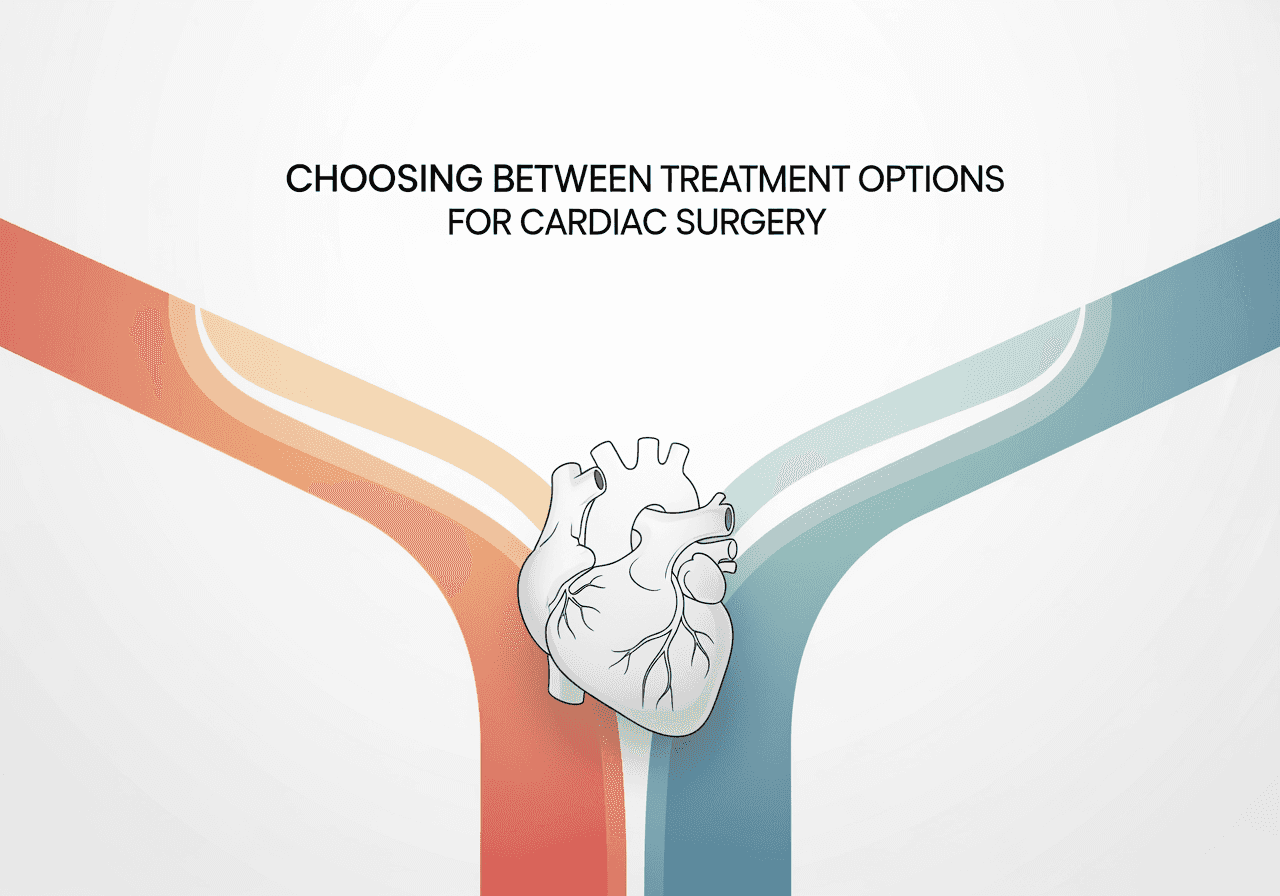
Choosing Between Treatment Options for Cardiac Surgery
05 Dec, 2025
 Healthtrip
- Where to Seek Cardiac Surgery: A Global Perspective < li>Why is Choosing the Right Treatment Important for Cardiac Surgery?
- Who is Involved in the Decision-Making Process for Cardiac Surgery?
- How Are Treatment Options Evaluated for Cardiac Surgery?
- Examples of Cardiac Surgery Treatment Options
- Factors Influencing Treatment Choice: A Patient-Centric Approach
- Conclusion
Understanding Your Cardiac Condition
Before diving into treatment options, it's crucial to have a solid understanding of your specific heart condition. Heart disease encompasses a wide range of problems, from coronary artery disease (CAD) to valve disorders and heart failure. CAD, the most common type, occurs when plaque builds up inside the coronary arteries, reducing blood flow to the heart. Valve disorders involve damage or defects in the heart valves, disrupting blood flow. Heart failure, on the other hand, means the heart can't pump enough blood to meet the body's needs. Each condition requires a different approach, so getting a clear diagnosis is the first step. Your doctor at a facility like NMC Specialty Hospital, Al Nahda, Dubai or Vejthani Hospital in Bangkok will perform tests such as an electrocardiogram (ECG), echocardiogram, or angiography to determine the nature and severity of your heart problem. Understanding the specifics of your condition will allow you to actively participate in discussions about treatment options and ask informed questions. It’s all about being an empowered patient!
Most popular procedures in India



Exploring Surgical Options
Once you have a clear understanding of your diagnosis, you and your doctor can explore the different surgical options available. Coronary artery bypass grafting (CABG) is a common procedure for CAD, where a healthy blood vessel from another part of your body is used to bypass a blocked coronary artery, restoring blood flow to the heart. Valve repair or replacement is performed to fix damaged or diseased heart valves, ensuring proper blood flow. Minimally invasive surgery, such as a transcatheter aortic valve replacement (TAVR), involves smaller incisions and often results in a faster recovery time. Another option is heart transplantation, which is considered for severe heart failure when other treatments have failed. The best surgical option for you will depend on your specific condition, its severity, your overall health, and your surgeon's expertise. Hospitals like Yanhee International Hospital in Bangkok and Fortis Memorial Research Institute, Gurgaon, offer a range of surgical options, and Healthtrip can help you connect with the best specialists for your needs. Don't hesitate to ask your doctor about the pros and cons of each option, as well as the potential risks and benefits.

Wellness Treatments
Give yourself the time to relax
Lowest Prices Guaranteed!

Lowest Prices Guaranteed!
Considering Non-Surgical Alternatives
While surgery might be the most effective option for some cardiac conditions, there are also non-surgical alternatives to consider. Lifestyle modifications, such as adopting a heart-healthy diet, exercising regularly, and quitting smoking, can significantly improve your heart health and, in some cases, delay or even avoid the need for surgery. Medications play a crucial role in managing many heart conditions, helping to control blood pressure, lower cholesterol, and prevent blood clots. Angioplasty, a minimally invasive procedure, involves inserting a balloon-tipped catheter into a blocked artery to widen it, often followed by the placement of a stent to keep the artery open. These non-surgical approaches can be particularly beneficial for individuals who are not good candidates for surgery due to other health conditions or advanced age. However, it's important to remember that non-surgical options may not be as effective as surgery in all cases. Discuss the potential benefits and limitations of non-surgical alternatives with your doctor at hospitals such as Saudi German Hospital Cairo, Egypt and Max Healthcare Saket, to determine the best course of action for your specific situation. Healthtrip ensures you receive comprehensive guidance to explore all possible options.
Making an Informed Decision
Choosing the right treatment option for cardiac surgery is a collaborative process between you and your medical team. Gather as much information as possible about your condition, the available treatment options, and the potential risks and benefits. Don't be afraid to ask questions and express your concerns. Consider getting a second opinion from another cardiologist or cardiac surgeon at hospitals like LIV Hospital, Istanbul or BNH Hospital in Bangkok, as this can provide you with additional perspectives and reassurance. It’s also helpful to think about your personal preferences, values, and lifestyle when making your decision. For example, if you prioritize a faster recovery time, minimally invasive surgery might be a good option. Remember, Healthtrip is here to assist you in finding the best medical expertise and facilities tailored to your specific needs and preferences. By working closely with your doctor and seeking support from resources like Healthtrip, you can make an informed decision that aligns with your goals and maximizes your chances of a successful outcome. The most important thing is that you feel empowered and confident in the path you choose.
Where to Seek Cardiac Surgery: A Global Perspective
When facing the daunting prospect of cardiac surgery, one of the first and most crucial decisions is choosing the right medical facility. This isn't just about picking a hospital; it's about entrusting your heart – quite literally – to a team of experts in an environment that fosters healing and well-being. The world offers a diverse range of options, each with its own strengths, specializations, and cultural nuances. So, where do you even begin? Consider the credentials and expertise of the cardiac surgeons and the entire medical team. Are they board-certified, experienced in the specific procedure you need, and committed to ongoing professional development? Don't hesitate to ask about their success rates and patient outcomes. Next, look at the hospital's infrastructure and technology. Does it have state-of-the-art equipment, advanced imaging capabilities, and specialized cardiac care units? A facility equipped with the latest advancements can often provide more precise diagnoses, minimally invasive surgical options, and enhanced post-operative care. In addition, explore hospitals with a proven track record in cardiac surgery. For instance, Fortis Memorial Research Institute in Gurgaon, India, is renowned for its comprehensive cardiac care. Also, explore hospitals that align with Healthtrip's commitment to connecting patients with world-class medical care like Saudi German Hospital Cairo, Egypt, which offers a wide range of medical services , that could be just the right option for you. Seeking cardiac surgery is a monumental decision. By carefully weighing your options and considering factors beyond geographical proximity, you can embark on your journey to recovery with confidence and peace of mind.
Why is Choosing the Right Treatment Important for Cardiac Surgery?
Imagine your heart as a finely tuned engine, the powerhouse that keeps you going. When something goes wrong, whether it's a clogged artery or a faulty valve, choosing the right treatment is paramount. It's not simply about fixing the problem; it's about restoring your heart's optimal function, improving your quality of life, and extending your years. The stakes are incredibly high. A wrong treatment decision could lead to complications, prolonged recovery times, or even the need for further interventions down the line. For example, if a minimally invasive procedure is suitable but an open-heart surgery is performed instead, the recovery could be significantly longer and more painful. Each cardiac condition is unique, and so is each patient. Your age, overall health, lifestyle, and personal preferences all play a role in determining the most appropriate course of action. What works wonders for one person might not be the best option for another. Choosing the right treatment isn't just about addressing the immediate problem; it's about optimizing your long-term cardiovascular health. This might involve lifestyle changes, medication management, and regular follow-up care to prevent future issues. Facilities like Fortis Shalimar Bagh offer comprehensive cardiac evaluations to tailor treatment plans. Healthtrip understands that navigating these complex decisions can be overwhelming, which is why we connect you with experienced specialists who can guide you through every step of the process, ensuring you receive the personalized care you deserve. Prioritizing the right treatment is about making informed decisions that pave the way for a healthier, happier future. So, take your time, ask questions, and empower yourself with knowledge.
Who is Involved in the Decision-Making Process for Cardiac Surgery?
Deciding to undergo cardiac surgery is rarely a solo act; it's more like a collaborative performance involving a cast of dedicated professionals and, most importantly, you, the patient. At the heart of this team is your cardiologist, the conductor leading the orchestra. They've likely been monitoring your heart health, diagnosing the issue, and recommending surgery as the best course of action. They'll be instrumental in explaining the procedure, its risks and benefits, and what to expect during recovery. Next up, the cardiac surgeon, the skilled artist who will perform the operation. Their expertise is crucial, so research their qualifications, experience, and specialization in the specific type of surgery you need. Don't hesitate to ask about their success rates and patient outcomes. An anesthesiologist plays another vital role by ensuring you're comfortable and pain-free during the procedure. They'll carefully monitor your vital signs and manage your anesthesia to minimize any potential risks. Nurses are the unsung heroes of the cardiac surgery journey. They provide round-the-clock care, administer medications, monitor your recovery, and offer emotional support and guidance. Cardiac rehabilitation specialists are also key. They help you regain your strength, improve your cardiovascular fitness, and learn how to manage your heart health long-term through exercise, diet, and lifestyle modifications. Beyond the medical professionals, don't underestimate the importance of your support network. Family and friends can offer invaluable emotional support, practical assistance, and a listening ear during this challenging time. Consider facilities like NMC Specialty Hospital, Al Nahda, Dubai, which emphasize a holistic approach to patient care, incorporating the expertise of multiple specialists. Remember, you are the central figure in this decision-making process. Your voice matters, and your preferences should be respected.
Also Read:
How Are Treatment Options Evaluated for Cardiac Surgery?
Evaluating treatment options for cardiac surgery involves a comprehensive assessment of various factors, ensuring the best possible outcome for the patient. This process typically begins with a thorough review of the patient's medical history, including any pre-existing conditions, medications, and previous surgeries. Diagnostic tests, such as electrocardiograms (ECGs), echocardiograms, cardiac catheterizations, and CT scans, are crucial in determining the extent and severity of the heart condition. These tests provide detailed images of the heart and blood vessels, allowing the medical team to identify blockages, valve malfunctions, or other structural abnormalities. The results are then carefully analyzed by a team of cardiologists and cardiac surgeons to develop a personalized treatment plan. At facilities like Fortis Escorts Heart Institute and Saudi German Hospital Cairo, the diagnostic process is streamlined to ensure accurate and timely results, enabling prompt decision-making and treatment planning. This collaborative approach ensures that all aspects of the patient's health are considered when evaluating the most appropriate treatment option.
The evaluation also considers the patient's overall health status, including age, lifestyle, and personal preferences. For instance, a younger, active patient might be a better candidate for a more invasive surgical procedure, while an older patient with multiple comorbidities might benefit more from a minimally invasive approach or medical management. The potential risks and benefits of each treatment option are carefully weighed, taking into account the patient's specific condition and circumstances. This includes discussing the potential complications, recovery time, and long-term outcomes associated with each procedure. Hospitals like Bangkok Hospital and Memorial Sisli Hospital place a strong emphasis on patient education, providing detailed information about each treatment option and involving the patient in the decision-making process. This ensures that patients are fully informed and empowered to make the best choice for their health. Healthtrip can assist in finding the best hospitals and specialists for your cardiac needs, ensuring you receive a comprehensive evaluation and personalized treatment plan.
Examples of Cardiac Surgery Treatment Options
Cardiac surgery encompasses a range of treatment options designed to address various heart conditions. Coronary artery bypass grafting (CABG) is a common procedure used to treat coronary artery disease, where blocked arteries are bypassed with healthy blood vessels taken from another part of the body. This improves blood flow to the heart muscle and alleviates symptoms like chest pain and shortness of breath. Valve repair or replacement is another frequent surgery, addressing malfunctioning heart valves that can cause heart failure or other complications. Damaged valves are either repaired to restore their proper function or replaced with artificial or biological valves. Minimally invasive techniques, such as transcatheter aortic valve replacement (TAVR), offer less invasive alternatives for valve replacement, reducing recovery time and complications. Hospitals like Vejthani Hospital and Fortis Memorial Research Institute offer advanced cardiac surgery options, including minimally invasive procedures.
Other treatment options include heart transplantation for patients with severe heart failure, and the implantation of pacemakers or implantable cardioverter-defibrillators (ICDs) to regulate heart rhythm and prevent sudden cardiac arrest. Aneurysm repair is performed to address weakened areas in the aorta, preventing potentially life-threatening ruptures. Each of these procedures carries its own set of benefits and risks, and the choice of treatment depends on the specific condition and the patient's overall health. For example, patients at Mount Elizabeth Hospital and Singapore General Hospital benefit from comprehensive cardiac care, including advanced surgical techniques and personalized rehabilitation programs. Healthtrip can help you navigate these options, providing information on leading cardiac centers and facilitating access to expert medical opinions. Understanding the available treatment options is crucial for making informed decisions and achieving the best possible outcome.
Factors Influencing Treatment Choice: A Patient-Centric Approach
Choosing the right treatment for cardiac surgery is a complex decision-making process influenced by several factors, with a patient-centric approach being paramount. The severity and type of heart condition are primary determinants, guiding the selection of the most appropriate intervention. For instance, a patient with a severely blocked coronary artery might benefit most from CABG, while someone with a malfunctioning heart valve might require valve repair or replacement. Patient age and overall health status also play a crucial role. Older patients or those with significant comorbidities may be better suited for less invasive procedures or medical management. The surgeon's expertise and the availability of advanced technology at the hospital are also important considerations. Facilities like LIV Hospital, Istanbul, and Helios Klinikum Erfurt are known for their experienced cardiac teams and state-of-the-art equipment.
Patient preferences and lifestyle are increasingly recognized as essential factors in treatment choice. Understanding the patient's goals, values, and priorities helps tailor the treatment plan to their individual needs. For example, an active individual might prefer a minimally invasive procedure with a shorter recovery time, while someone with a sedentary lifestyle might opt for a more conservative approach. The potential risks and benefits of each treatment option are thoroughly discussed with the patient, ensuring they are fully informed and empowered to make the best decision for their health. Hospitals such as Cleveland Clinic London and Max Healthcare Saket prioritize shared decision-making, involving patients in every step of the process. This collaborative approach fosters trust and ensures that the treatment aligns with the patient's personal values and expectations. Healthtrip facilitates this process by providing access to detailed hospital profiles, surgeon credentials, and patient reviews, helping you make an informed choice. By considering all these factors, a patient-centric approach ensures the best possible outcome and improves the overall quality of life.
Also Read:
Conclusion
Navigating the complexities of cardiac surgery treatment options requires a collaborative approach, combining medical expertise with patient preferences and values. From thorough evaluations to personalized treatment plans, the goal is to achieve the best possible outcome for each individual. Factors influencing treatment choice, such as the severity of the condition, patient age, and lifestyle, are carefully considered to ensure a patient-centric approach. Hospitals like Fortis Escorts Heart Institute, Memorial Sisli Hospital, and Vejthani Hospital exemplify the commitment to providing comprehensive cardiac care and involving patients in the decision-making process. By understanding the available treatment options, including CABG, valve repair or replacement, and minimally invasive techniques, patients can make informed decisions aligned with their personal needs and goals. Healthtrip is dedicated to assisting you in this journey, offering access to top cardiac centers, expert medical opinions, and resources to help you navigate the complexities of cardiac surgery. With the right information and support, you can confidently choose the treatment that best suits your health and lifestyle, leading to a healthier and more fulfilling life. < /p>
Related Blogs

Why Second Opinions Matter Before Eye Surgery Doctors Explain
Deep medical insights, treatment comparisons, safety standards, and technological updates

International Patients' Guide to Understanding Eye Surgery Terminology
Deep medical insights, treatment comparisons, safety standards, and technological updates

How Healthtrip Ensures Patient Safety During Eye Surgery Procedures
Deep medical insights, treatment comparisons, safety standards, and technological updates

Choosing Between Treatment Options for Eye Surgery
Deep medical insights, treatment comparisons, safety standards, and technological updates
How to Read Your Medical Reports Before Eye Surgery
Deep medical insights, treatment comparisons, safety standards, and technological updates

Breakthrough Medical Technologies Transforming Eye Surgery in India
Deep medical insights, treatment comparisons, safety standards, and technological updates