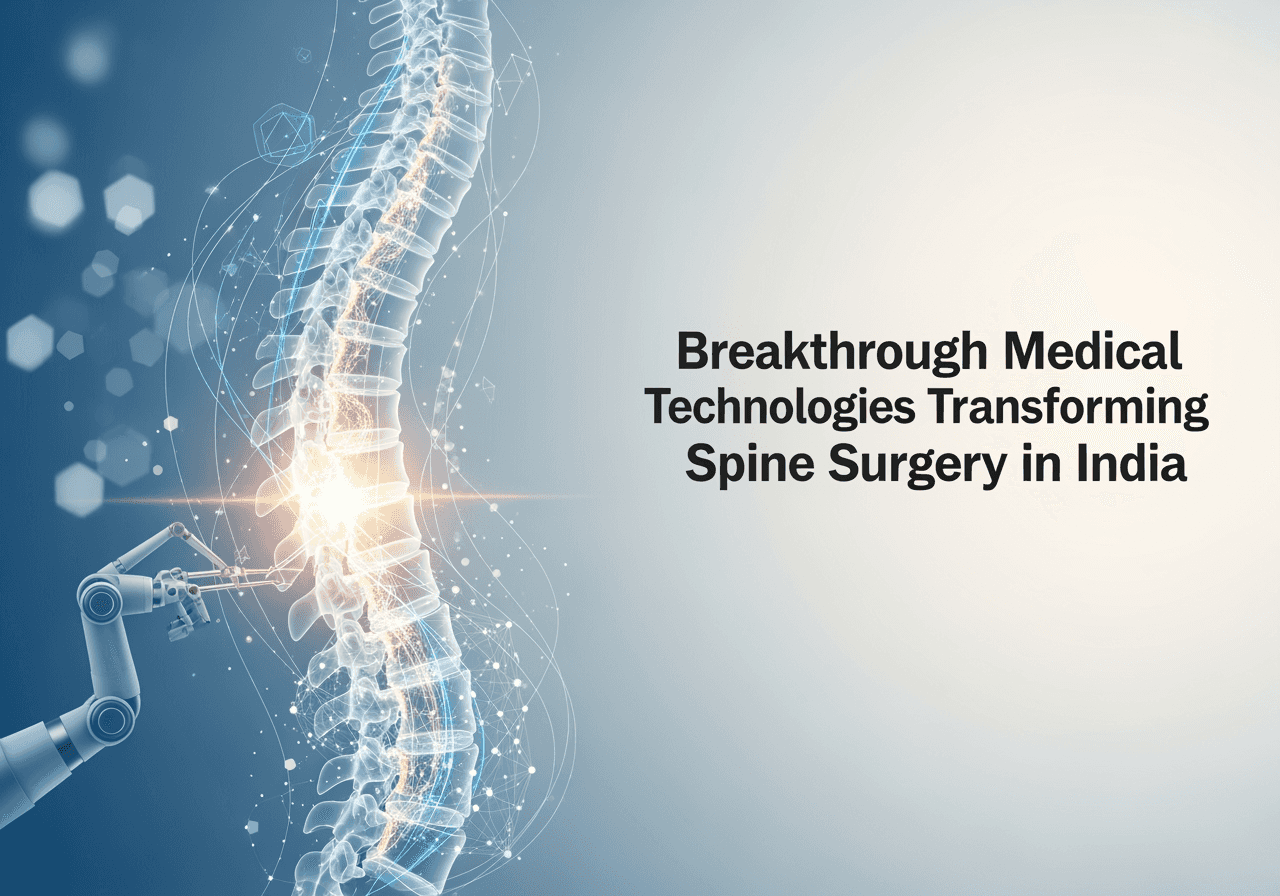
Breakthrough Medical Technologies Transforming Spine Surgery in India
06 Dec, 2025
 Healthtrip
- The Growing Need: Understanding Spine Surgery Landscape in India
- Minimally Invasive Spine Surgery (MISS): A Paradigm Shift
- Robotic-Assisted Spine Surgery and Navigation: Precision Perfected < li>Biologics: Harnessing the Body's Healing Power
- 3D Printing in Spine Surgery: Customization and Innovation < li>Leading Hospitals in India Adopting These Technologies: Some examples
- Challenges and Opportunities for Wider Adoption < li>The Future of Spine Surgery in India: A Brighter Outlook
Minimally Invasive Spine Surgery (MISS)
Minimally Invasive Spine Surgery, or MISS, has revolutionized the way surgeons approach spinal problems. Instead of making large incisions that disrupt muscles and tissues, MISS techniques involve smaller incisions, typically just a few centimeters long. Through these tiny openings, surgeons use specialized instruments, often guided by real-time imaging like fluoroscopy or endoscopy, to access the spine and address the issue. This approach translates to less pain, reduced blood loss, and a quicker recovery for the patient. Imagine your body as a delicate ecosystem; MISS is like performing surgery with a surgeon’s scalpel instead of a bulldozer. This allows patients to return to their daily activities much faster, with less scarring and a diminished risk of infection. Fortis Hospital, Noida and Max Healthcare Saket are leading institutions in India utilizing MISS techniques to treat a variety of spinal conditions, from herniated discs to spinal stenosis. Healthtrip can connect you to skilled surgeons at these hospitals who are experts in MISS, ensuring you receive the best possible care with the least amount of disruption to your life.
Most popular procedures in India


Benefits of MISS
The benefits of MISS extend far beyond just smaller scars. Patients often experience significantly less post-operative pain, reducing their reliance on pain medication. The reduced disruption to surrounding tissues also means a faster recovery time, allowing individuals to return to work and their favorite activities sooner. MISS also carries a lower risk of infection compared to traditional open surgeries. Think of it like this: instead of a major construction project that shuts down the entire street, MISS is like a targeted repair that keeps traffic flowing smoothly. This minimally invasive approach also preserves more of the spine's natural structure, potentially reducing the risk of future problems. Healthtrip understands that recovery is about more than just healing the body; it's about restoring your quality of life. By connecting you with hospitals like Fortis Memorial Research Institute, Gurgaon that specialize in MISS, Healthtrip helps you access cutting-edge treatments with the potential for a faster, smoother recovery journey.
Robotic-Assisted Spine Surgery
Robotic-assisted spine surgery takes precision to a whole new level. Think of it as having a GPS for your spine, guiding the surgeon with unparalleled accuracy. While the surgeon is always in control, the robotic arm enhances their capabilities, allowing for smaller incisions, more precise implant placement, and reduced risk of complications. This technology is particularly beneficial in complex spinal procedures, where even the slightest deviation can have significant consequences. The robot acts like a steady hand, minimizing tremors and ensuring that every step is executed with meticulous precision. Imagine a master craftsman using the finest tools to create a masterpiece; that's the level of precision robotic surgery brings to spinal care. Healthtrip recognizes the importance of accessing the most advanced technologies, and we can connect you with hospitals in India that are at the forefront of robotic spine surgery, offering you the potential for improved outcomes and a more confident surgical experience. For instance, many doctors listed under Healthtrip provide their services for robotic spine surgery at Fortis Escorts Heart Institute who are renowned for it.

Wellness Treatments
Give yourself the time to relax
Lowest Prices Guaranteed!

Lowest Prices Guaranteed!
How Robotics Enhance Precision
Robotics enhance precision in spine surgery through several key mechanisms. Firstly, the robotic arm offers enhanced stability, minimizing the risk of human error caused by fatigue or slight movements. Secondly, the technology allows for pre-operative planning with 3D imaging, enabling surgeons to visualize the procedure in detail before even making an incision. This allows for more accurate implant placement and reduced surgical time. Thirdly, robotic systems often incorporate real-time feedback mechanisms, alerting the surgeon to any potential issues during the procedure. It's like having a co-pilot who is constantly monitoring the situation and providing critical guidance. The use of robotics also translates to reduced radiation exposure for both the patient and the surgical team. Healthtrip is committed to connecting you with the best and safest medical options available. By facilitating access to hospitals utilizing robotic-assisted spine surgery, Healthtrip strives to empower you with informed choices and the potential for superior surgical outcomes.
Spinal Navigation Systems
Spinal navigation systems are like the GPS of the operating room, providing surgeons with real-time, three-dimensional guidance during complex spinal procedures. These systems use advanced imaging technology, such as CT scans or MRI, to create a detailed map of the patient's spine. During surgery, the surgeon uses specialized instruments that are tracked by the navigation system, allowing them to see exactly where they are in relation to the spinal anatomy. This level of precision helps to ensure accurate implant placement, minimize the risk of nerve damage, and improve overall surgical outcomes. Think of it as having a virtual roadmap that guides the surgeon through the intricate landscape of the spine. Spinal navigation systems are particularly beneficial in cases involving spinal deformities, tumors, or revisions of previous surgeries. Healthtrip understands that navigating the world of medical technology can be overwhelming, and we're here to help you find the best hospitals and surgeons in India who are proficient in using spinal navigation systems to enhance the safety and effectiveness of your spinal surgery.
Benefits of Spinal Navigation
The benefits of spinal navigation extend to both the surgeon and the patient. For surgeons, these systems provide enhanced visualization and precision, allowing them to perform complex procedures with greater confidence. This can lead to shorter surgical times, reduced blood loss, and a lower risk of complications. For patients, spinal navigation can translate to smaller incisions, less post-operative pain, and a faster recovery. By reducing the risk of nerve damage and implant misplacement, these systems can also improve long-term outcomes. Imagine having a skilled navigator guiding you through a treacherous terrain, ensuring you reach your destination safely and efficiently. Spinal navigation systems offer this same level of guidance during spine surgery. Healthtrip is dedicated to providing you with access to the most advanced and safest surgical techniques. By partnering with hospitals that utilize spinal navigation systems, Healthtrip aims to empower you with the knowledge and resources you need to make informed decisions about your spinal health.
The Growing Need: Understanding Spine Surgery Landscape in India
Back pain. Just the mention of it can send shivers down the spines (pun intended!) of many. In India, the struggle with spinal issues is becoming increasingly common, fueled by our modern lifestyles. Long hours spent hunched over desks, poor posture habits ingrained from childhood, and the general wear and tear of daily life are taking a toll on our vertebral columns. It's not just the elderly anymore; younger individuals are also experiencing debilitating back and neck pain, leading to a surge in the demand for effective spine care solutions. The sheer numbers are staggering, with a significant percentage of the Indian population reportedly suffering from chronic back pain at some point in their lives. This translates to a massive impact on productivity, quality of life, and healthcare resources. Traditional methods of treatment, while helpful, often fall short of providing long-term relief. This is where the advancements in spine surgery come into play, offering hope and a path towards a pain-free and active future for those battling spinal ailments. Healthtrip recognizes this growing need and is dedicated to connecting patients with the best spine care options available, both within India and globally, ensuring access to cutting-edge treatments and expert medical professionals. We understand the anxieties and uncertainties that come with considering spine surgery, and we strive to provide comprehensive information, personalized support, and seamless access to quality healthcare services, making the journey towards recovery as smooth and stress-free as possible.
Minimally Invasive Spine Surgery (MISS): A Paradigm Shift
Remember those days of extensive incisions, lengthy hospital stays, and prolonged recovery periods after surgery? Well, say goodbye to much of that! Minimally Invasive Spine Surgery (MISS) is revolutionizing the way we approach spinal conditions, offering a less invasive, more precise, and often faster path to healing. Instead of large incisions that disrupt muscles and tissues, MISS utilizes specialized instruments and advanced imaging techniques to access the spine through tiny incisions, often just a few millimeters in length. Think of it like keyhole surgery for your back! This approach minimizes trauma to surrounding tissues, leading to less pain, reduced blood loss, shorter hospital stays, and a quicker return to normal activities. The benefits are undeniable. Patients often experience significantly less post-operative discomfort, requiring less pain medication and getting back on their feet much sooner. The smaller incisions also mean reduced scarring and a lower risk of infection. MISS is not a one-size-fits-all solution; it's best suited for certain conditions, such as herniated discs, spinal stenosis, and some types of spinal fusions. However, the growing adoption of MISS techniques by skilled surgeons is expanding its applicability and making it a viable option for a wider range of patients. Hospitals like Fortis Memorial Research Institute, Gurgaon and Max Healthcare Saket are at the forefront of offering MISS procedures with experienced surgeons who have been trained in this advanced area. Through Healthtrip, patients can easily find and connect with these leading facilities and surgeons, ensuring they receive the best possible care and explore the potential benefits of MISS for their specific spinal condition. It's a game-changer, folks, and it's bringing hope and relief to countless individuals suffering from debilitating back pain.
Robotic-Assisted Spine Surgery and Navigation: Precision Perfected
Imagine a surgeon with the steady hand of a robot, guided by real-time 3D navigation, ensuring unparalleled precision during spine surgery. That's the promise of robotic-assisted spine surgery and navigation systems. These cutting-edge technologies are transforming the field, offering a level of accuracy and control that was once unimaginable. The robotic arm, controlled by a highly skilled surgeon, allows for precise placement of implants, screws, and other surgical instruments. The navigation system provides a real-time map of the patient's spine, allowing the surgeon to visualize the anatomy in intricate detail and navigate with pinpoint accuracy. This translates to several potential benefits, including reduced risk of complications, improved surgical outcomes, and faster recovery times. Think of it as GPS for your spine! Robotic assistance can be particularly helpful in complex spinal surgeries, where precision is paramount. It can also reduce the radiation exposure for both the patient and the surgical team. While the technology is still relatively new, its adoption is growing rapidly as more and more hospitals recognize its potential to enhance patient care. Some of those hospitals offering robotic-assisted surgery include Vejthani Hospital and Bangkok Hospital. Healthtrip is committed to keeping patients informed about these advancements, connecting them with leading hospitals and surgeons who are utilizing robotic-assisted technology to provide the highest level of care. We understand it can all sound a bit like science fiction, but this technology is very real, and it's changing the lives of patients suffering with spinal conditions, offering a future where spine surgery is safer, more precise, and more effective than ever before.
Also Read:
Biologics: Harnessing the Body's Healing Power
Imagine a world where your body's own healing mechanisms are amplified to mend damaged tissues and accelerate recovery after spine surgery. That's the promise of biologics, a cutting-edge field revolutionizing spine care in India. Biologics utilize naturally derived substances, such as growth factors, proteins, and stem cells, to stimulate tissue regeneration and bone fusion. These aren't synthetic materials; they're derived from living organisms, designed to mimic the body's natural processes. Think of it as giving your spine a supercharged healing boost, reducing the need for extensive hardware and promoting a more natural, robust recovery. The potential benefits are immense, from faster healing times and reduced pain to improved long-term outcomes and a lower risk of complications. For patients facing spinal fusion or other complex procedures, biologics offer a beacon of hope, paving the way for a smoother, more efficient recovery journey.
The beauty of biologics lies in their personalized approach. Unlike traditional implants, which are generic in design, biologics can be tailored to the individual patient's needs, maximizing their effectiveness. For instance, bone morphogenetic proteins (BMPs) can stimulate bone growth in patients undergoing spinal fusion, while platelet-rich plasma (PRP) can accelerate soft tissue healing and reduce inflammation. These advanced therapies are particularly beneficial for individuals with underlying health conditions, such as diabetes or osteoporosis, which can impair the body's natural healing abilities. By leveraging the power of biologics, surgeons can overcome these challenges and achieve successful outcomes even in complex cases. As research continues to evolve, we can expect to see even more innovative applications of biologics in spine surgery, further transforming the landscape of spine care and improving the lives of countless patients. Healthtrip is dedicated to connecting patients with the best hospitals and specialists offering these advanced treatments, ensuring access to cutting-edge care for optimal recovery.
Also Read:
3D Printing in Spine Surgery: Customization and Innovation
Imagine a world where spinal implants are perfectly tailored to your unique anatomy, offering a seamless fit and enhanced stability. That's the reality being shaped by 3D printing in spine surgery. This revolutionary technology allows surgeons to create custom-designed implants that precisely match the patient's individual spinal structure. No more one-size-fits-all solutions. With 3D printing, implants can be crafted with intricate designs and porous structures that promote bone ingrowth and fusion, leading to stronger and more durable results. This is particularly beneficial for patients with complex spinal deformities or those requiring extensive reconstruction. By creating personalized implants, surgeons can minimize the risk of complications, improve surgical outcomes, and enhance the overall patient experience. The possibilities are truly endless, from custom cages for spinal fusion to personalized vertebral replacements, 3D printing is transforming the way spine surgery is performed, offering a new level of precision and customization.
Beyond customization, 3D printing also enables the creation of innovative surgical tools and models. Surgeons can use 3D-printed models of the patient's spine to plan and practice complex procedures, reducing the risk of errors and improving surgical efficiency. These models allow surgeons to visualize the anatomy in three dimensions, identify potential challenges, and develop optimal surgical strategies. Furthermore, 3D printing can be used to create custom surgical guides that ensure precise implant placement and alignment. This technology is particularly valuable in minimally invasive spine surgery, where visualization is limited. By leveraging the power of 3D printing, surgeons can enhance their skills, improve patient safety, and achieve superior outcomes. As the technology continues to advance and become more accessible, we can expect to see even more widespread adoption of 3D printing in spine surgery, further driving innovation and improving the lives of patients. Healthtrip is committed to providing patients with access to these advanced technologies and connecting them with leading surgeons who are at the forefront of 3D printing in spine care.
Leading Hospitals in India Adopting These Technologies: Some examples
India's healthcare landscape is rapidly evolving, with several leading hospitals embracing cutting-edge technologies like minimally invasive surgery, robotic assistance, biologics, and 3D printing to enhance spine care. These institutions are not just adopting new technologies; they are actively innovating and pushing the boundaries of what's possible in spine surgery. Fortis Memorial Research Institute, Gurgaon, for example, is renowned for its comprehensive spine care program, offering a range of advanced treatments, including minimally invasive surgery and robotic-assisted procedures. Max Healthcare Saket in New Delhi is another leading hospital that has embraced advanced technologies to provide patients with the best possible care. These hospitals often have dedicated spine centers with multidisciplinary teams of surgeons, neurologists, pain management specialists, and rehabilitation therapists, all working together to provide personalized and comprehensive care.
Furthermore, Fortis Hospital, Noida also is gaining recognition for its adoption of advanced techniques in spine surgery. These hospitals are investing in the latest equipment, training their staff, and conducting research to stay at the forefront of spine care. By offering a combination of expertise, technology, and compassionate care, these hospitals are transforming the lives of patients with spinal disorders. Healthtrip partners with many of these leading hospitals to ensure that patients have access to the best possible spine care in India. We understand that choosing the right hospital and surgeon can be a daunting task, which is why we provide patients with detailed information about the hospitals, their technologies, and their specialists. Our goal is to empower patients to make informed decisions about their healthcare and connect them with the resources they need to achieve optimal outcomes.
Challenges and Opportunities for Wider Adoption
While the future of spine surgery in India looks bright, there are still challenges to overcome for wider adoption of these advanced technologies. One major hurdle is the cost. Minimally invasive surgery, robotic-assisted procedures, biologics, and 3D printing can be more expensive than traditional open surgery. This can limit access for patients, particularly those in lower-income groups. Addressing this challenge requires innovative financing models, government subsidies, and collaborations between hospitals, manufacturers, and insurance companies. Another challenge is the availability of trained surgeons and specialized equipment. Not all hospitals have the resources or expertise to offer these advanced treatments. Expanding training programs, investing in new equipment, and promoting knowledge sharing are crucial steps towards addressing this gap. Furthermore, regulatory hurdles and the lack of clear guidelines for the use of these technologies can also hinder adoption.
However, these challenges also present significant opportunities. As the Indian healthcare market continues to grow, there is a huge potential for expanding access to advanced spine care. Increasing awareness among patients and healthcare professionals about the benefits of these technologies is essential. Telemedicine and digital health platforms can play a crucial role in reaching patients in remote areas and providing them with access to specialized consultations and care. Furthermore, fostering innovation and encouraging research and development in spine care can lead to the development of more affordable and accessible technologies. By addressing these challenges and seizing these opportunities, India can become a global leader in spine surgery, providing world-class care to patients from all over the world. Healthtrip is committed to playing a role in this transformation by connecting patients with the best hospitals and surgeons in India and providing them with the information and support they need to navigate their healthcare journey.
The Future of Spine Surgery in India: A Brighter Outlook
The confluence of minimally invasive techniques, robotic assistance, biologics, and 3D printing is poised to revolutionize spine surgery in India, offering patients a future with less pain, faster recovery, and improved quality of life. The advancements discussed represent a significant leap forward, moving away from traditional, often invasive, procedures towards more precise, personalized, and regenerative approaches. The progress is creating a ripple effect, influencing not only surgical outcomes but also the overall patient experience. Imagine a future where spine surgery is no longer a daunting prospect but a pathway to renewed mobility and well-being. This vision is fueled by the dedication of innovative surgeons, the relentless pursuit of technological advancements, and the growing awareness among patients about the possibilities of modern spine care. While challenges remain, the opportunities for growth and improvement are immense, paving the way for a brighter and healthier future for individuals suffering from spinal disorders in India.
As these technologies become more accessible and refined, the benefits will extend to a wider population, transforming the landscape of spine care across the country. The integration of telehealth and remote monitoring will further enhance access, allowing patients in remote areas to benefit from specialized expertise and personalized treatment plans. Moreover, the increasing focus on preventive care and early intervention will play a crucial role in reducing the burden of spinal disorders and promoting long-term spinal health. Healthtrip is dedicated to being at the forefront of this revolution, connecting patients with the latest advancements, expert surgeons, and comprehensive support systems. By empowering patients with knowledge and facilitating access to quality care, Healthtrip aims to contribute to a future where spine surgery is a transformative experience, enabling individuals to live active, fulfilling lives free from the limitations of spinal pain and disability. For example, hospitals like Fortis Escorts Heart Institute, New Delhi and Max Healthcare Saket, New Delhi are constantly evolving and have the potential to change the future of Spine Surgery in India. < /p>
Related Blogs

Why Second Opinions Matter Before Eye Surgery Doctors Explain
Deep medical insights, treatment comparisons, safety standards, and technological updates

International Patients' Guide to Understanding Eye Surgery Terminology
Deep medical insights, treatment comparisons, safety standards, and technological updates

How Healthtrip Ensures Patient Safety During Eye Surgery Procedures
Deep medical insights, treatment comparisons, safety standards, and technological updates

Choosing Between Treatment Options for Eye Surgery
Deep medical insights, treatment comparisons, safety standards, and technological updates

How to Read Your Medical Reports Before Eye Surgery
Deep medical insights, treatment comparisons, safety standards, and technological updates

Breakthrough Medical Technologies Transforming Eye Surgery in India
Deep medical insights, treatment comparisons, safety standards, and technological updates