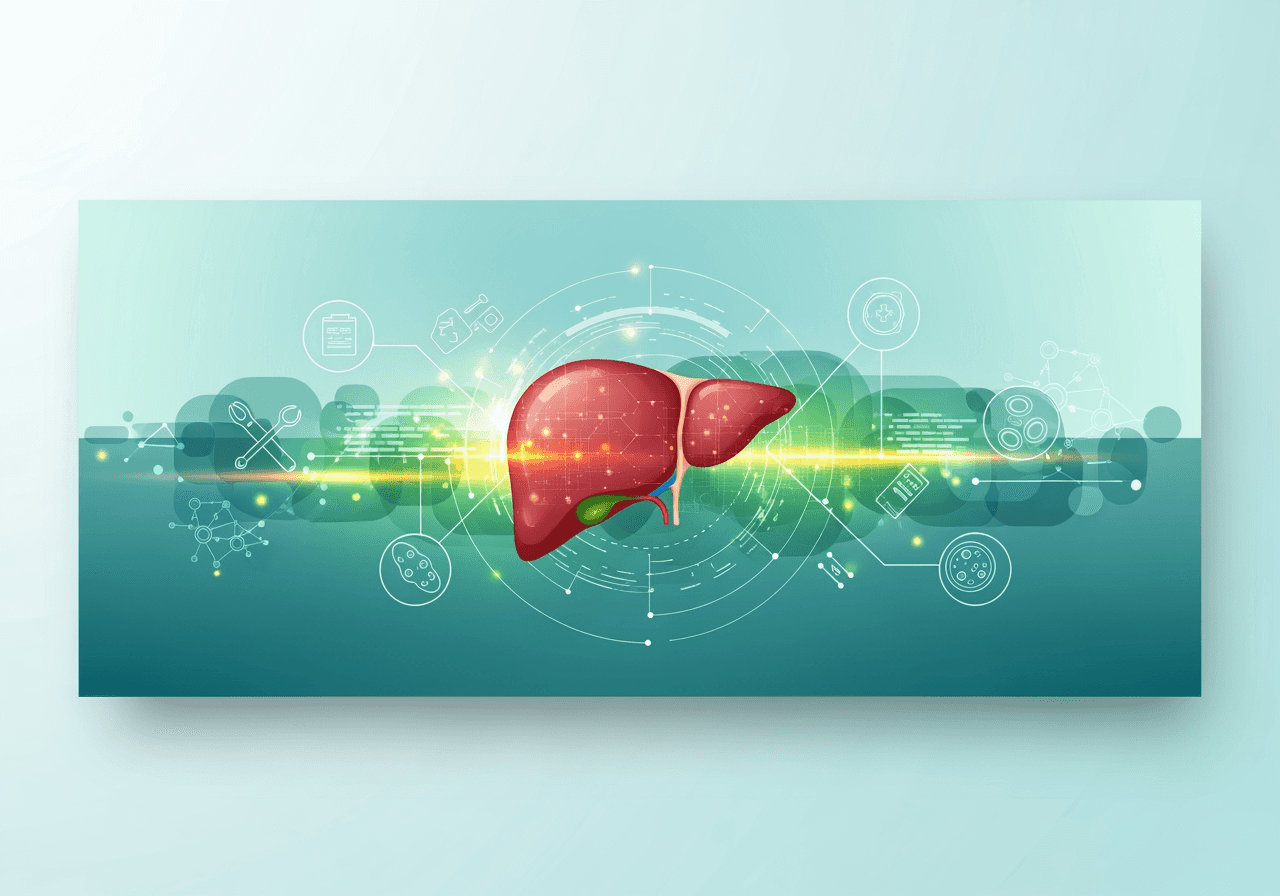
Breakthrough Medical Technologies Transforming Liver Transplant in India
07 Dec, 2025
 Healthtrip
- The Current Landscape of Liver Transplant in India
- Advanced Imaging Techniques for Precise Diagnosis and Surgical Planning
- The Role of Robotic Surgery in Liver Transplant: Precision and Minimally Invasive Approaches (e.g., at Fortis Memorial Research Institute, Gurgaon)
- Advancements in Living Donor Liver Transplantation: Improving Safety and Outcomes
- Novel Immunosuppression Strategies: Minimizing Rejection and Improving Long-Term Graft Survival (e.g., at Max Healthcare Saket)
- Regenerative Medicine Approaches: Exploring Liver Regeneration and Future Potential < li>Leading Liver Transplant Centers in India: A Look at Excellence and Innovation (e.g., Fortis Hospital, Noida, Fortis Shalimar Bagh)
- Conclusion: The Future of Liver Transplant in India
Minimally Invasive Surgical Techniques
Laparoscopic Liver Resection
Laparoscopic liver resection, a minimally invasive surgical technique, has gained significant traction in India for liver transplant procedures. Unlike traditional open surgery, which involves large incisions, laparoscopic surgery utilizes small incisions through which specialized instruments and a camera are inserted. This approach offers numerous benefits, including reduced blood loss, less post-operative pain, shorter hospital stays, and faster recovery times. Surgeons at Fortis Hospital, Noida and Max Healthcare Saket are increasingly adopting laparoscopic techniques for both donor and recipient surgeries. The smaller incisions also translate to reduced scarring, contributing to improved cosmetic outcomes and patient satisfaction. Imagine recovering from a major surgery with significantly less pain and getting back on your feet sooner – that's the promise of laparoscopic liver resection. Healthtrip connects you with leading surgeons skilled in these advanced techniques to ensure the best possible outcomes.
Most popular procedures in India

Robotic-Assisted Liver Transplantation
Taking minimally invasive surgery to the next level, robotic-assisted liver transplantation offers enhanced precision and dexterity for surgeons. Using robotic arms controlled by a surgeon at a console, this technology allows for intricate maneuvers and improved visualization of the surgical field. Robotic surgery can be particularly beneficial in complex cases where access to certain areas of the liver is challenging. While still evolving, robotic-assisted liver transplantation holds immense potential for reducing surgical errors, improving graft survival, and minimizing complications. Fortis Memorial Research Institute, Gurgaon and other leading hospitals are exploring the use of robotics in liver transplantation to further refine surgical techniques and optimize patient outcomes. Healthtrip stays at the forefront of these innovations, connecting patients with hospitals equipped with the latest robotic surgery technology and experienced surgeons.

Wellness Treatments
Give yourself the time to relax
Lowest Prices Guaranteed!

Lowest Prices Guaranteed!
Advanced Diagnostic Imaging
3D Liver Imaging
Accurate pre-operative assessment is crucial for successful liver transplantation. Advanced diagnostic imaging techniques, such as 3D liver imaging, play a vital role in providing surgeons with detailed anatomical information about the liver. These images allow for precise planning of the surgical procedure, including identifying the optimal location for incisions, assessing the size and shape of the liver, and mapping the vascular anatomy. 3D imaging helps surgeons to anticipate potential challenges and tailor the surgical approach to each patient's unique anatomy. Max Healthcare Saket and other hospitals utilizing these technologies can provide a clearer picture of the liver's condition, improving the overall precision and safety of the transplant procedure. Healthtrip helps you find the best diagnostic centers and hospitals offering state-of-the-art imaging services.
Elastography
Elastography is a non-invasive imaging technique that measures the stiffness of the liver. Liver stiffness is an indicator of fibrosis, or scarring, which is a common feature of many liver diseases. Elastography can help assess the severity of liver damage and monitor the progression of liver disease without the need for a liver biopsy. This technology is particularly useful in evaluating patients with chronic liver conditions who are being considered for liver transplantation. Fortis Escorts Heart Institute and other centers use elastography to assess liver health and guide treatment decisions. By providing a non-invasive assessment of liver health, elastography helps to reduce the need for invasive procedures and improve patient comfort. Healthtrip understands the anxiety surrounding medical tests and connects you with centers offering the least invasive and most accurate diagnostic methods.
Immunosuppressant Therapies
Personalized Immunosuppression
One of the biggest challenges in liver transplantation is preventing rejection of the transplanted organ. Immunosuppressant drugs are essential for suppressing the recipient's immune system and preventing it from attacking the new liver. However, these drugs can also have significant side effects. Personalized immunosuppression involves tailoring the dosage and type of immunosuppressant drugs to each patient's individual needs, based on factors such as their genetic profile, immune status, and overall health. This approach helps to minimize the risk of rejection while reducing the side effects of immunosuppression. Hospitals like Fortis Memorial Research Institute, Gurgaon, are at the forefront of this approach. Healthtrip can help you connect with the best specialists in India for personalized immunosuppressant therapies and management, ensuring a smooth transition and improved long-term outcomes after your liver transplant.
Novel Immunosuppressant Agents
Researchers are constantly developing new and improved immunosuppressant agents with fewer side effects and greater efficacy. These novel drugs offer the potential to further refine immunosuppression strategies and improve long-term outcomes for liver transplant recipients. Many of these agents are designed to target specific aspects of the immune system, minimizing the impact on overall immune function. The development of new immunosuppressant agents is an ongoing process, and clinical trials are crucial for evaluating their safety and effectiveness. Healthtrip stays informed about the latest advancements in immunosuppressant therapies, ensuring that you have access to the most up-to-date information and treatment options.
The Current Landscape of Liver Transplant in India
Liver transplantation in India has transformed from a rarity to a relatively established and increasingly accessible treatment option for end-stage liver disease. The journey has been remarkable, marked by pioneering efforts, technological advancements, and a growing network of specialized centers. Initially, the primary challenges revolved around limited awareness, infrastructure, and expertise. However, the landscape has changed dramatically over the past two decades, driven by the dedication of medical professionals and the increasing burden of liver diseases like cirrhosis, hepatitis, and liver cancer. Today, India stands as one of the leading countries for liver transplants, performing a significant number of procedures annually. While deceased donor transplants are integral, living donor liver transplantation (LDLT) plays a particularly crucial role, addressing the organ shortage and offering a life-saving option for patients. This is especially pertinent in a cultural context where family members are often willing and able to donate. The success rates are comparable to international standards, and centers like Fortis Hospital, Noida, and Max Healthcare Saket are pushing the boundaries of innovation, adopting advanced surgical techniques and patient care protocols. Healthtrip plays a vital role in connecting patients with these leading centers, providing resources and support to navigate the complexities of seeking treatment in India, ensuring accessible and quality care for those in need.
The regulatory framework in India, including the Transplantation of Human Organs Act (THOA), has been instrumental in streamlining the organ donation and transplantation process. Although challenges remain, such as regional disparities in access to care and the need for enhanced public awareness regarding organ donation, continuous efforts are being made to address these issues. The Indian government and various NGOs are actively involved in promoting organ donation, conducting awareness campaigns, and implementing policies to facilitate transplantation. The increasing number of experienced transplant surgeons, hepatologists, and specialized nursing staff has further contributed to improved outcomes. The availability of advanced diagnostic and surgical equipment, coupled with a focus on post-transplant care, has collectively elevated the standards of liver transplantation in India. As more patients choose India as their destination for liver transplants, Healthtrip continues to provide comprehensive information and support, ensuring they receive the best possible care at renowned hospitals across the country.
Advanced Imaging Techniques for Precise Diagnosis and Surgical Planning
The success of liver transplantation hinges on meticulous diagnosis and surgical planning, for which advanced imaging techniques are indispensable. These technologies provide surgeons with a detailed roadmap of the patient's liver, enabling them to assess the extent of damage, identify anatomical variations, and plan the surgical approach with precision. Computed Tomography (CT) scans, in particular, have evolved significantly, offering high-resolution images that can be reconstructed in three dimensions, providing a comprehensive view of the liver's vascular anatomy and surrounding structures. Magnetic Resonance Imaging (MRI) provides functional information about the liver tissue along with detailed anatomical images; this is extremely helpful in planning surgical approach. Doppler ultrasound is essential for evaluating blood flow within the liver and portal venous system, helping to identify potential blockages or abnormalities that could impact the transplant procedure. These non-invasive methods allow medical teams to precisely plan how to remove the diseased liver and implant the new one.
Beyond routine imaging, specialized techniques like contrast-enhanced ultrasound (CEUS) and hepatobiliary-specific contrast MRI are used to detect subtle lesions and characterize liver tumors with greater accuracy. These methods enhance the sensitivity of imaging, allowing for earlier detection of hepatocellular carcinoma (HCC), a common indication for liver transplantation. Furthermore, elastography, a technique that measures liver stiffness, is increasingly used to assess the degree of fibrosis and cirrhosis, providing valuable information for patient selection and prognosis. The integration of these advanced imaging modalities into clinical practice ensures that patients receive the most appropriate treatment strategies, tailored to their individual needs. Healthtrip understands the importance of these diagnostic tools and connects patients with centers equipped with state-of-the-art imaging technology, ensuring access to accurate and timely diagnoses for optimal treatment outcomes. Hospitals also use imaging to determine the fitness of the donor liver for the transplant.
The Role of Robotic Surgery in Liver Transplant: Precision and Minimally Invasive Approaches (e.g., at Fortis Memorial Research Institute, Gurgaon)
Robotic surgery is revolutionizing various surgical disciplines, and liver transplantation is no exception. The da Vinci Surgical System, for example, offers surgeons enhanced dexterity, precision, and visualization compared to traditional open surgery. This translates to several potential benefits for patients undergoing liver transplantation, including smaller incisions, reduced blood loss, less post-operative pain, and faster recovery times. The minimally invasive approach also minimizes scarring and lowers the risk of wound complications. While robotic liver transplantation is still evolving, its applications are expanding, particularly in living donor hepatectomy – the removal of a portion of the liver from the donor. Centers like Fortis Memorial Research Institute, Gurgaon, are at the forefront of adopting robotic techniques, utilizing the technology to improve the safety and outcomes of liver donation for living donors.
The enhanced precision afforded by robotic surgery is particularly valuable in complex cases involving anatomical variations or difficult-to-reach areas of the liver. The ability to perform intricate maneuvers with greater control can lead to more accurate tissue dissection and vascular anastomosis, reducing the risk of complications. While robotic liver transplantation requires specialized training and expertise, its potential to improve patient outcomes and enhance the donor experience is significant. As more surgeons become proficient in robotic techniques, its role in liver transplantation is expected to grow, making the procedure more accessible and less invasive for a wider range of patients. Healthtrip recognizes the transformative potential of robotic surgery and assists patients in finding hospitals like Fortis Memorial Research Institute, Gurgaon, that offer these cutting-edge procedures, providing them with the best possible surgical options and expert care. Healthtrip ensures that patients are well-informed about the latest advancements in liver transplant surgery and can make informed decisions about their treatment journey.
Also Read:
Advancements in Living Donor Liver Transplantation: Improving Safety and Outcomes
Living donor liver transplantation (LDLT) has revolutionized the landscape of liver transplantation, offering a lifeline to patients who might not survive the wait for a deceased donor organ. But this is not just about having another option; it's about improving the quality of life for both the recipient and the donor. LDLT involves transplanting a portion of the liver from a healthy living donor, typically a close relative, into a recipient with end-stage liver disease. The liver's remarkable regenerative capacity allows both the donor's and recipient's livers to regrow to adequate sizes within a few weeks. However, the process is complex and requires meticulous evaluation and surgical precision. One of the most significant strides in LDLT is the enhanced focus on donor safety. Advanced imaging techniques, such as 3D reconstruction of the liver vasculature, enable surgeons to precisely map the liver's anatomy and identify the optimal graft size and vascular connections, minimizing risks for the donor at facilities like Fortis Hospital, Noida. Comprehensive donor selection protocols, including detailed psychological evaluations and stringent medical screenings, further ensure that only the healthiest and most suitable individuals are considered for donation. This rigorous approach minimizes the potential for complications and ensures the well-being of the living donor.
Moreover, surgical techniques have evolved to become less invasive, employing laparoscopic and robotic-assisted approaches to reduce incision sizes and minimize postoperative pain and recovery time for the donor. The goal is to make the donation process as safe and comfortable as possible, encouraging more individuals to consider this life-saving option. For the recipient, advancements in surgical techniques and postoperative care have led to improved graft survival rates and reduced complications. Meticulous attention to detail during the transplant surgery, coupled with advanced immunosuppression protocols, helps to prevent rejection and promote long-term graft function. The dedication and expertise of transplant teams at centers like Fortis Shalimar Bagh are crucial in achieving successful outcomes. LDLT is not just a surgical procedure; it's a testament to the power of human connection and the willingness to give the gift of life. As techniques continue to advance and outcomes improve, LDLT will undoubtedly play an even greater role in addressing the global shortage of deceased donor organs and providing hope for those with end-stage liver disease.
Also Read:
Novel Immunosuppression Strategies: Minimizing Rejection and Improving Long-Term Graft Survival (e.g., at Max Healthcare Saket)
The journey after a liver transplant is a marathon, not a sprint, and a critical aspect of this long-term management is immunosuppression. The body's natural defense mechanism, the immune system, recognizes the transplanted liver as foreign and attempts to reject it. Immunosuppression involves using medications to suppress the immune system, preventing rejection and allowing the new liver to function properly. However, these medications come with their own set of challenges. Traditional immunosuppressants can have significant side effects, including increased risk of infections, kidney damage, and even certain types of cancer. Therefore, the quest for novel immunosuppression strategies focuses on minimizing these side effects while effectively preventing rejection, a goal that centers like Max Healthcare Saket are actively pursuing.
One promising approach is the development of more targeted immunosuppressants. Instead of broadly suppressing the entire immune system, these newer drugs selectively target the specific immune cells involved in rejection. This reduces the overall burden on the immune system, lowering the risk of infections and other complications. Another strategy involves personalized immunosuppression. By analyzing a patient's genetic makeup and immune profile, doctors can tailor the immunosuppression regimen to their individual needs. This allows for a more precise and effective approach, minimizing the risk of both rejection and over-immunosuppression. Additionally, researchers are exploring the use of tolerance-inducing strategies. These approaches aim to "re-educate" the immune system to recognize the transplanted liver as "self," eliminating the need for long-term immunosuppression altogether. While still in the early stages of development, tolerance-inducing strategies hold immense promise for the future of liver transplantation. The ultimate goal is to provide patients with a healthy, functioning liver without the burden of lifelong immunosuppression and its associated side effects. Through ongoing research and innovation, the field of immunosuppression continues to evolve, offering hope for improved long-term outcomes and a better quality of life for liver transplant recipients.
Also Read:
Regenerative Medicine Approaches: Exploring Liver Regeneration and Future Potential
The liver possesses an extraordinary ability to regenerate, making regenerative medicine a particularly promising avenue for treating liver diseases. Imagine a future where damaged livers can be repaired and regrown without the need for transplantation. While this may sound like science fiction, researchers are actively exploring various regenerative medicine approaches to make this a reality. One area of focus is cell-based therapies. This involves transplanting healthy liver cells, called hepatocytes, into a damaged liver to promote regeneration. These cells can be obtained from various sources, including deceased donors, living donors, or even stem cells. When injected into the liver, these cells can integrate into the existing tissue and begin to function, helping to restore liver function. Another approach involves stimulating the liver's own regenerative capacity. Researchers are investigating various growth factors and other molecules that can promote liver cell proliferation and tissue repair. By delivering these factors to the damaged liver, it may be possible to trigger its natural regenerative mechanisms and promote healing.
Furthermore, scientists are exploring the use of bio-scaffolds. These are three-dimensional structures that provide a framework for liver cells to grow and organize. The scaffolds can be made from various materials, including natural and synthetic polymers. Liver cells are seeded onto the scaffold, and the construct is then implanted into the damaged liver. The scaffold provides support and guidance for the cells, allowing them to form functional liver tissue. While regenerative medicine approaches for liver disease are still in the early stages of development, they hold immense potential for the future. As research progresses, it may be possible to develop therapies that can effectively repair and regenerate damaged livers, reducing the need for liver transplantation and improving the lives of countless individuals. This field is rapidly evolving, fueled by the hope of harnessing the liver's natural regenerative powers to cure liver diseases.
Leading Liver Transplant Centers in India: A Look at Excellence and Innovation (e.g., Fortis Hospital, Noida, Fortis Shalimar Bagh)
India has emerged as a global hub for liver transplantation, boasting several centers of excellence that offer world-class care and innovative treatment options. These leading hospitals are equipped with state-of-the-art technology, staffed by highly skilled surgeons, hepatologists, and transplant teams, and committed to providing comprehensive care to patients with end-stage liver disease. Amongst these, institutions like Fortis Hospital, Noida, and Fortis Shalimar Bagh exemplify dedication to advancing the field. These centers stand out due to their multidisciplinary approach, bringing together experts from various specialties to ensure the best possible outcomes for patients. They offer a full spectrum of services, from initial evaluation and diagnosis to pre-transplant management, surgery, and long-term follow-up care. The surgeons at these centers are highly experienced in performing both deceased donor and living donor liver transplants, utilizing advanced surgical techniques to minimize complications and optimize graft survival.
Moreover, these leading centers are actively involved in research and innovation, constantly seeking to improve transplant outcomes and develop new treatment strategies. They participate in clinical trials, collaborate with international experts, and publish their findings in peer-reviewed journals, contributing to the advancement of the field. These centers also prioritize patient education and support, providing comprehensive information and resources to help patients and their families navigate the transplant journey. They offer support groups, counseling services, and educational programs to empower patients to make informed decisions and manage their health effectively. Choosing a liver transplant center is a critical decision, and it is essential to select a center with a proven track record of success, a commitment to innovation, and a focus on patient-centered care. These leading centers in India exemplify these qualities, offering hope and a new lease on life to patients with end-stage liver disease. With their unwavering dedication to excellence, they are shaping the future of liver transplantation in India and beyond.
Also Read:
Conclusion: The Future of Liver Transplant in India
The landscape of liver transplantation in India has undergone a remarkable transformation, evolving from a nascent field to a sophisticated and life-saving treatment option. Driven by advancements in surgical techniques, immunosuppression strategies, and regenerative medicine approaches, liver transplantation offers renewed hope and improved quality of life for individuals with end-stage liver disease. The increasing availability of living donor liver transplantation has expanded the pool of potential recipients, while innovations in immunosuppression have minimized rejection rates and improved long-term graft survival. Regenerative medicine holds immense promise for the future, potentially offering non-surgical alternatives to liver transplantation. As India continues to invest in research, infrastructure, and training, the future of liver transplantation looks brighter than ever. With a growing number of centers of excellence, a dedicated pool of healthcare professionals, and a commitment to innovation, India is poised to become a global leader in liver transplantation. This will not only benefit patients within India but also attract patients from around the world seeking high-quality, affordable liver transplant services. The journey of liver transplantation in India is a testament to the power of human ingenuity, collaboration, and compassion, offering hope and a new lease on life to countless individuals affected by liver disease.
Related Blogs

Why Second Opinions Matter Before Eye Surgery Doctors Explain
Deep medical insights, treatment comparisons, safety standards, and technological updates

International Patients' Guide to Understanding Eye Surgery Terminology
Deep medical insights, treatment comparisons, safety standards, and technological updates

How Healthtrip Ensures Patient Safety During Eye Surgery Procedures
Deep medical insights, treatment comparisons, safety standards, and technological updates

Choosing Between Treatment Options for Eye Surgery
Deep medical insights, treatment comparisons, safety standards, and technological updates

How to Read Your Medical Reports Before Eye Surgery
Deep medical insights, treatment comparisons, safety standards, and technological updates

Breakthrough Medical Technologies Transforming Eye Surgery in India
Deep medical insights, treatment comparisons, safety standards, and technological updates