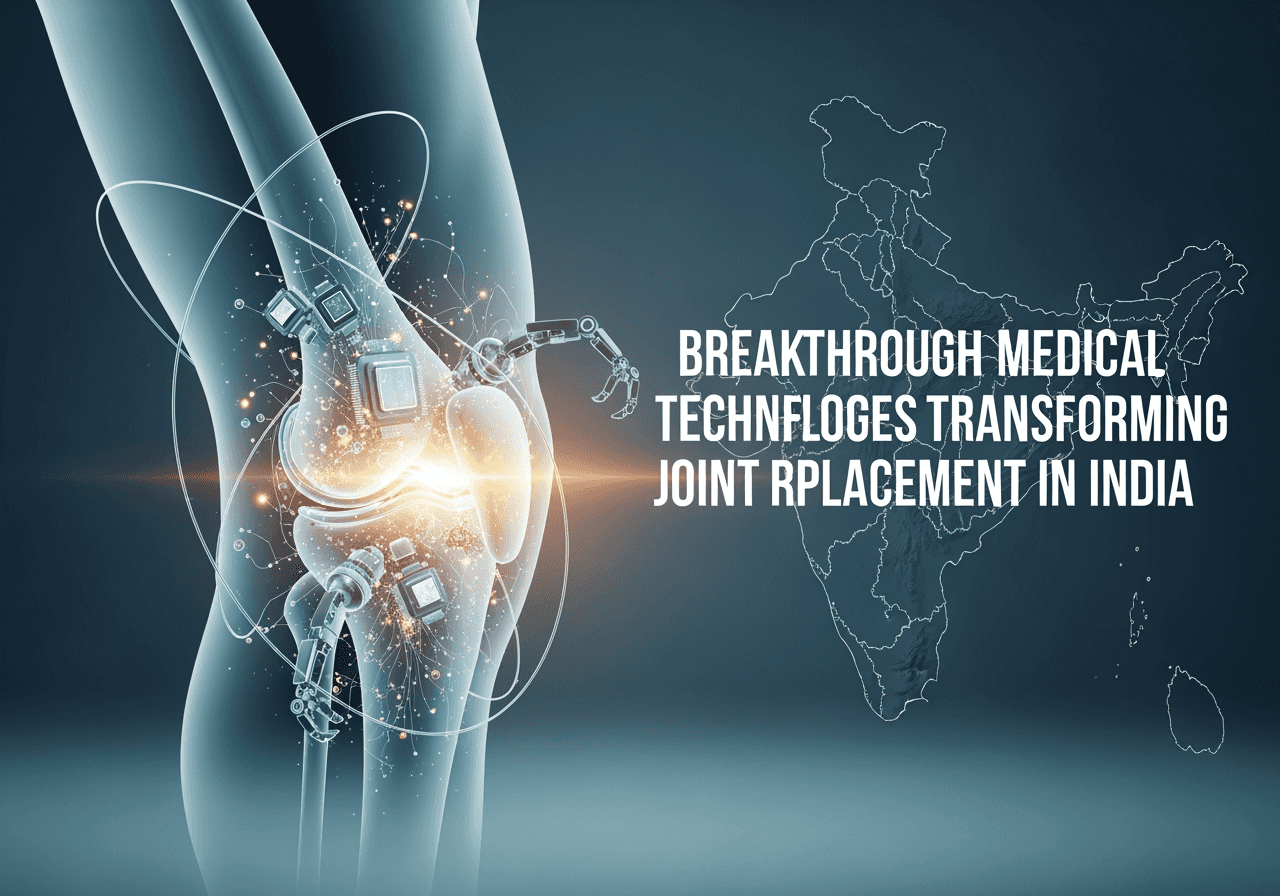
Breakthrough Medical Technologies Transforming Joint Replacement in India
06 Dec, 2025
 Healthtrip
- The Current State of Joint Replacement in India: A Need for Innovation
- Cutting-Edge Technologies Transforming Joint Replacement
- Robotic-Assisted Surgery: Enhancing Precision and Recovery
- 3D Printing: Crafting Personalized Implants for Better Fit
- Navigational Surgical Techniques: Ensuring Improved Alignment and Longevity
- Advancements in Biomaterials: For Enhanced Durability and Longevity < li>Leading Hospitals in India Embracing New Technology
- Fortis Hospital, Noida
- Fortis Memorial Research Institute, Gurgaon
- Max Healthcare Saket
- Fortis Shalimar Bagh
- Fortis Escorts Heart Institute
- The Future of Joint Replacement in India: Accessibility and Affordability
- Conclusion
Robotic-Assisted Joint Replacement: Precision Perfected
Enhanced Accuracy and Precision
Robotic-assisted surgery is changing the game in joint replacement, promising greater accuracy and precision than traditional methods. Imagine a surgeon, guided by a sophisticated robotic arm, meticulously mapping out and executing the procedure with millimeter-level accuracy. This technology allows for precise implant placement, minimizing the risk of errors and improving long-term outcomes. Think of it like upgrading from a hand-drawn map to a GPS navigation system – the difference in precision is significant. For patients, this translates to a more natural-feeling joint, reduced pain, and improved range of motion. Hospitals like Fortis Hospital, Noida and Fortis Memorial Research Institute, Gurgaon are increasingly adopting this technology, offering patients access to this advanced level of care. Choosing robotic-assisted surgery can be a significant step towards a faster recovery and a more active lifestyle, allowing you to return to the activities you love with confidence. Healthtrip can connect you with leading surgeons experienced in robotic-assisted joint replacement, ensuring you receive the best possible care.
Most popular procedures in India

Minimally Invasive Techniques
One of the most significant advantages of robotic-assisted surgery is its ability to be performed using minimally invasive techniques. Instead of large incisions, surgeons can work through smaller openings, resulting in less trauma to surrounding tissues. This translates to several benefits for patients, including reduced pain, smaller scars, and a faster recovery time. Who wouldn't want to swap a long, arduous recovery for a quicker return to normalcy? Minimally invasive procedures also reduce the risk of infection and blood loss, making the entire surgical experience less stressful. Fortis Shalimar Bagh and Max Healthcare Saket are known for their expertise in minimally invasive procedures. With Healthtrip, you can explore these options and find the best approach for your specific needs. We understand that the thought of surgery can be daunting, but with these advanced techniques, the recovery process is becoming increasingly manageable and patient-friendly.
Customized Implants: A Perfect Fit
Patient-Specific Design
Gone are the days of one-size-fits-all joint replacements. Customized implants are revolutionizing the field by offering patient-specific designs tailored to each individual's unique anatomy. Using advanced imaging techniques like CT scans and MRIs, surgeons can create a 3D model of the patient's joint and design an implant that perfectly matches their bone structure and joint alignment. It’s like having a bespoke suit made, rather than buying something off the rack – the fit is simply superior. This personalized approach ensures optimal implant stability, reduces the risk of complications, and improves the overall function and longevity of the joint replacement. Imagine the comfort and confidence of knowing your new joint is designed specifically for you. Healthtrip connects you with specialists who utilize cutting-edge imaging and design technologies to provide you with a customized implant solution, leading to a more comfortable and successful outcome.

Wellness Treatments
Give yourself the time to relax
Lowest Prices Guaranteed!

Lowest Prices Guaranteed!
Advanced Materials and Biocompatibility
The materials used in joint implants have also undergone significant advancements, with a focus on improved biocompatibility and durability. Modern implants are often made from advanced materials like titanium alloys, cobalt-chromium alloys, and ceramic materials, which are designed to withstand the stresses of daily activity and minimize wear and tear. These materials are also highly biocompatible, meaning they are less likely to cause adverse reactions or inflammation in the body. Think of it as choosing high-quality, long-lasting ingredients for a recipe – the better the materials, the better the final product. Fortis Escorts Heart Institute employs implants known for their long-term performance and biocompatibility. Healthtrip understands the importance of using the best materials for your joint replacement, and we can guide you towards hospitals and surgeons who prioritize quality and innovation in implant technology. This ensures that your new joint will not only function well but also stand the test of time.
Navigation Systems: Guiding the Surgeon
Real-Time Feedback and Adjustments
Imagine a GPS system for your surgery. That's essentially what surgical navigation systems offer in joint replacement. These systems use sophisticated sensors and software to provide surgeons with real-time feedback on the position and alignment of the joint during the procedure. This allows for precise adjustments to be made, ensuring optimal implant placement and joint function. It's like having a co-pilot guiding the surgeon every step of the way, ensuring the surgery is perfectly executed. The result is improved accuracy, reduced risk of complications, and a more natural-feeling joint. Hospitals, including Max Healthcare Saket, are increasingly integrating navigation systems into their joint replacement programs. Healthtrip can help you find hospitals equipped with these advanced technologies, maximizing your chances of a successful and long-lasting joint replacement. These systems are a testament to the power of technology in improving surgical outcomes.
Improved Alignment and Stability
One of the key benefits of navigation systems is their ability to improve joint alignment and stability. By providing surgeons with precise data on joint angles and alignment, these systems help ensure that the implant is placed in the optimal position. This is crucial for long-term joint function and can significantly reduce the risk of dislocation or other complications. Think of it like building a house with a perfectly level foundation – it ensures the entire structure is stable and strong. Proper alignment is essential for a successful joint replacement, and navigation systems play a vital role in achieving this goal. Healthtrip is dedicated to connecting you with hospitals and surgeons who utilize these technologies, ensuring your joint replacement is performed with the highest level of precision and care. With improved alignment and stability, you can enjoy a more comfortable and active lifestyle for years to come.
The Current State of Joint Replacement in India: A Need for Innovation
Joint replacement surgery, particularly knee and hip replacements, has become increasingly common in India, driven by a growing elderly population, rising obesity rates, and a greater awareness of treatment options for chronic joint pain. While the demand for these procedures is undeniably on the rise, the landscape of joint replacement in India is complex, presenting both opportunities and challenges. Many individuals suffer from debilitating joint pain caused by osteoarthritis, rheumatoid arthritis, or injuries, significantly impacting their quality of life. Joint replacement offers a chance to regain mobility, reduce pain, and return to an active lifestyle, making it a life-changing option for many. However, access to quality joint replacement surgery remains unevenly distributed across the country. Urban centers often have a higher concentration of experienced surgeons and advanced facilities, while rural areas lag behind, creating disparities in healthcare access. Affordability is another significant barrier, as the cost of surgery, implants, and post-operative care can be prohibitive for a large segment of the population. This is where Healthtrip plays a crucial role, striving to connect patients with affordable and high-quality healthcare options across India and beyond, simplifying the search for suitable hospitals and facilitating access to financial assistance where needed.
While conventional joint replacement techniques have proven successful for many, there's a growing need for innovation to address some of the limitations. Traditional surgery can involve larger incisions, longer hospital stays, and a potentially prolonged recovery period. Furthermore, achieving optimal implant alignment and stability can be challenging, potentially impacting the long-term success of the joint replacement. This is where advancements in technology and surgical techniques come into play. There’s an increasing focus on minimally invasive approaches, robotic-assisted surgery, personalized implants, and improved biomaterials. These innovations aim to enhance precision, reduce recovery time, improve implant longevity, and ultimately provide better outcomes for patients. Many leading hospitals in India are now embracing these cutting-edge technologies, recognizing their potential to revolutionize joint replacement surgery. For instance, hospitals like Fortis Hospital, Noida and Max Healthcare Saket are at the forefront of adopting these new techniques, offering patients access to the latest advancements in joint replacement. Healthtrip aims to highlight these facilities and connect patients with the best possible care options tailored to their individual needs.
Cutting-Edge Technologies Transforming Joint Replacement
The field of joint replacement is experiencing a technological revolution, with innovations poised to dramatically improve patient outcomes and experiences. These cutting-edge technologies are not just about making surgery easier for the surgeon; they're about enhancing precision, personalizing treatment, and accelerating recovery for the patient. One of the most significant advancements is the rise of robotic-assisted surgery, which allows surgeons to perform procedures with unparalleled accuracy and control. Using sophisticated robotic systems, surgeons can precisely plan and execute implant placement, minimizing the risk of errors and improving the overall alignment of the new joint. This increased precision can lead to reduced pain, improved range of motion, and a longer-lasting implant. Another exciting development is the use of 3D printing to create personalized implants tailored to the unique anatomy of each patient. By using CT scans or MRIs to create a detailed 3D model of the patient's joint, surgeons can design and manufacture implants that perfectly fit the individual's bone structure. This personalized approach can improve implant stability, reduce the risk of loosening, and enhance the overall function of the joint. Navigational surgical techniques are also playing an increasingly important role in modern joint replacement. These techniques use computer-assisted guidance systems to provide real-time feedback to the surgeon during the procedure, ensuring optimal implant alignment and positioning.
These advanced navigational systems help to minimize errors and improve the accuracy of the surgery, leading to better outcomes and reduced complications. Furthermore, advancements in biomaterials are leading to the development of implants that are more durable, biocompatible, and resistant to wear and tear. New materials such as advanced ceramics, cross-linked polyethylene, and metal alloys are being used to create implants that can withstand the stresses of daily life for many years to come. These materials are also designed to minimize inflammation and promote bone integration, leading to better long-term outcomes. Hospitals like Fortis Memorial Research Institute, Gurgaon are actively integrating these cutting-edge technologies into their joint replacement programs, ensuring that patients have access to the most advanced and effective treatments available. Healthtrip aims to provide clear and accessible information about these technologies, empowering patients to make informed decisions about their joint replacement journey. By highlighting hospitals and surgeons who are embracing these innovations, Healthtrip is helping to drive the adoption of better practices and improve the quality of care for joint replacement patients across India and beyond.
Robotic-Assisted Surgery: Enhancing Precision and Recovery
Robotic-assisted surgery is rapidly transforming the landscape of joint replacement, offering a compelling combination of precision and minimally invasive techniques. This approach utilizes sophisticated robotic systems that act as an extension of the surgeon's hands, providing enhanced dexterity, visualization, and control during the procedure. The surgeon controls the robotic arms with remarkable precision, guided by a 3D visualization system that offers a magnified view of the surgical site. This allows for more accurate implant placement, reduced soft tissue damage, and improved alignment compared to traditional methods. The benefits of robotic-assisted surgery extend beyond precision. The minimally invasive nature of the procedure, often involving smaller incisions, can lead to reduced pain, less blood loss, and a faster recovery time for patients. Patients may experience shorter hospital stays, less reliance on pain medication, and a quicker return to their daily activities. For individuals struggling with joint pain and limited mobility, this can be a game-changer, allowing them to regain their independence and quality of life sooner. While the initial investment in robotic technology is significant, the potential long-term benefits for patients and healthcare systems are substantial. The improved accuracy and reduced complications associated with robotic-assisted surgery can lead to better implant longevity, fewer revision surgeries, and lower overall healthcare costs.
However, it's crucial to understand that robotic-assisted surgery is not a replacement for skilled surgeons. The robot is merely a tool that enhances the surgeon's capabilities, and the success of the procedure still depends on the surgeon's expertise, experience, and judgment. When considering robotic-assisted joint replacement, it's essential to choose a hospital and surgeon with extensive experience in this technique. Hospitals like Fortis Shalimar Bagh are increasingly offering robotic-assisted joint replacement, recognizing its potential to improve patient outcomes. Healthtrip is dedicated to providing patients with the information they need to make informed decisions about their healthcare, including access to hospitals and surgeons specializing in robotic-assisted joint replacement. By connecting patients with leading medical professionals and advanced technologies, Healthtrip aims to empower individuals to take control of their joint health and live active, fulfilling lives. Robotic-assisted surgery represents a significant step forward in joint replacement, offering the promise of improved precision, faster recovery, and better long-term outcomes for patients suffering from debilitating joint pain.
Also Read:
3D Printing: Crafting Personalized Implants for Better Fit
Imagine a world where medical implants fit you perfectly, like a bespoke suit tailored just for your body. That's the promise of 3D printing, also known as additive manufacturing, and it's revolutionizing joint replacement surgery. Gone are the days of generic, one-size-fits-all implants that might not be the ideal shape or size for your unique anatomy. With 3D printing, surgeons can now create custom implants that are precisely designed to match your individual bone structure. This personalization is achieved by using advanced imaging techniques, such as CT scans or MRIs, to create a detailed 3D model of your joint. This model then serves as the blueprint for printing the implant layer by layer, using biocompatible materials like titanium alloys. The result? An implant that fits snugly and securely, minimizing the risk of loosening, instability, and other complications that can arise from ill-fitting implants. This technology is particularly beneficial for patients with complex joint deformities, previous injuries, or other conditions that make standard implants unsuitable. Healthtrip is keen to connect you with hospitals that offer this cutting-edge technology, ensuring you receive the most personalized and effective treatment possible. Think of it as having a sculptor create a perfect piece of art, but instead of a statue, it's a new joint that slots seamlessly into your life. This level of precision not only enhances the implant's functionality but also contributes to a faster and more comfortable recovery.
Navigational Surgical Techniques: Ensuring Improved Alignment and Longevity
Think of your body as a finely tuned machine. If one part isn't aligned correctly, it can throw everything else off balance, leading to wear and tear, and eventually, failure. The same principle applies to joint replacement surgery. Precise alignment of the new joint is crucial for its long-term success and function. That's where navigational surgical techniques come in. These techniques use advanced computer technology to guide the surgeon during the procedure, ensuring that the implant is placed in the optimal position. It's like having a GPS for your surgery! Navigational systems use infrared cameras and sensors to track the position of surgical instruments in real time, providing the surgeon with a detailed view of the joint anatomy on a monitor. This allows them to make precise adjustments and corrections, minimizing the risk of malalignment. This is especially important in complex cases, such as revision surgeries or patients with significant bone deformities. By ensuring accurate alignment, navigational surgical techniques can reduce the risk of implant loosening, dislocation, and premature wear, ultimately extending the life of your new joint. Healthtrip’s partner hospitals like Fortis Hospital, Noida and Max Healthcare Saket are at the forefront of employing such technologies. It’s about more than just replacing a joint; it’s about restoring the natural biomechanics of your body for a more comfortable and active life. These systems empower surgeons to achieve a level of accuracy that was simply not possible with traditional techniques.
Advancements in Biomaterials: For Enhanced Durability and Longevity
The materials used to create joint implants have come a long way since the early days of joint replacement surgery. Today, thanks to groundbreaking advancements in biomaterials, implants are stronger, more durable, and more biocompatible than ever before. This means they're designed to last longer and integrate seamlessly with your body. Traditional implants were often made of metal alloys like cobalt-chromium, which while strong, could sometimes cause allergic reactions or release metallic ions into the surrounding tissues. Modern biomaterials, on the other hand, incorporate innovative materials like highly cross-linked polyethylene, which is incredibly resistant to wear and tear, and ceramic-on-ceramic bearings, which offer exceptional smoothness and durability. These materials are also designed to be more biocompatible, meaning they're less likely to trigger an adverse reaction from your body. Another exciting development is the use of porous metals, which encourage bone growth and integration with the implant, creating a stronger and more stable bond. This is particularly important for younger patients who may require their implants to last for several decades. The selection of the right biomaterial is a critical decision that your surgeon will make based on your individual needs and activity level. So, when you choose Healthtrip, you’re not just opting for a surgery; you’re investing in advanced materials engineered to withstand the test of time, materials designed to give you back your mobility and freedom for years to come. Think of it as upgrading from a regular car to a high-performance vehicle – the improved materials make all the difference in terms of durability, reliability, and overall performance.
Leading Hospitals in India Embracing New Technology
India's healthcare landscape is rapidly evolving, with leading hospitals across the country embracing cutting-edge technologies and techniques to provide patients with the best possible joint replacement outcomes. These institutions are not just adopting new technologies; they are actively investing in research and development to further improve the field of orthopedics. From robotic-assisted surgery and 3D-printed implants to navigational surgical techniques and advanced biomaterials, these hospitals are at the forefront of innovation. Many of these hospitals also have specialized centers dedicated to joint replacement surgery, staffed by highly experienced orthopedic surgeons, nurses, and rehabilitation specialists. They offer comprehensive care, from pre-operative assessment and planning to post-operative recovery and rehabilitation. Choosing the right hospital is a critical decision, and Healthtrip is here to guide you through the process, connecting you with the best hospitals and surgeons in India. These leading hospitals understand that joint replacement surgery is not just about replacing a worn-out joint; it's about restoring your quality of life and helping you get back to doing the things you love. They are committed to providing personalized care, tailored to your individual needs and goals. It's like walking into a world-class research lab, except instead of scientists in lab coats, you have doctors and surgeons dedicated to getting you back on your feet as quickly and safely as possible.
Fortis Hospital, Noida
Fortis Hospital, Noida, is a leading healthcare institution known for its advanced orthopedic department and commitment to utilizing the latest technologies in joint replacement surgery. The hospital boasts a team of highly skilled orthopedic surgeons who are experienced in performing a wide range of joint replacement procedures, including robotic-assisted surgery. Fortis Hospital, Noida is equipped with state-of-the-art facilities, including advanced imaging technology and a dedicated rehabilitation center, ensuring patients receive comprehensive care throughout their treatment journey. They are dedicated to providing personalized care, tailored to the individual needs and goals of each patient. With Healthtrip, accessing the expertise and advanced technology at Fortis Hospital, Noida, becomes seamless, offering you a pathway to renewed mobility and a better quality of life.
Fortis Memorial Research Institute, Gurgaon
Fortis Memorial Research Institute (FMRI), Gurgaon, is a multi-specialty hospital renowned for its excellence in orthopedic care. The hospital’s orthopedic department is equipped with cutting-edge technology, including robotic surgical systems and advanced imaging modalities, enabling surgeons to perform joint replacement procedures with enhanced precision and accuracy. Fortis Memorial Research Institute, Gurgaon boasts a team of experienced orthopedic surgeons who are experts in performing complex joint replacements, including revision surgeries. The hospital emphasizes a patient-centric approach, providing individualized treatment plans and comprehensive rehabilitation services to ensure optimal outcomes. Healthtrip can help you connect with the specialized orthopedic care available at FMRI, empowering you to make informed decisions about your joint health.
Max Healthcare Saket
Max Healthcare, Saket, is a premier healthcare provider known for its comprehensive orthopedic services and commitment to innovation. The hospital's orthopedic department offers a full spectrum of joint replacement procedures, from minimally invasive techniques to complex revision surgeries. Max Healthcare Saket utilizes advanced technology, including computer-assisted navigation systems, to ensure precise implant alignment and optimize surgical outcomes. The hospital's team of experienced orthopedic surgeons works closely with patients to develop personalized treatment plans that address their specific needs and goals. Healthtrip can connect you with the expert orthopedic care available at Max Healthcare, Saket, facilitating your journey towards improved joint health and a more active lifestyle. They are also committed to providing personalized care, tailored to your individual needs and goals.
Fortis Shalimar Bagh
Fortis Shalimar Bagh stands out as a leading healthcare provider with a strong focus on orthopedic excellence. Their orthopedic department is well-equipped with state-of-the-art technology, enabling surgeons to perform a wide range of joint replacement surgeries with precision and care. With a team of experienced orthopedic surgeons, Fortis Shalimar Bagh provides personalized treatment plans, ensuring each patient receives the best possible outcome. Fortis Shalimar Bagh is committed to providing comprehensive care, from pre-operative assessments to post-operative rehabilitation, ensuring a smooth and effective recovery process. Healthtrip can assist you in accessing the advanced orthopedic services at Fortis Shalimar Bagh, helping you achieve improved joint health and an enhanced quality of life.
Fortis Escorts Heart Institute
While primarily known for cardiac care, Fortis Escorts Heart Institute also offers comprehensive orthopedic services, including advanced joint replacement surgeries. The hospital is equipped with modern facilities and a team of skilled orthopedic surgeons who are adept at performing various joint replacement procedures. Fortis Escorts Heart Institute emphasizes a holistic approach to patient care, providing personalized treatment plans and comprehensive rehabilitation services to ensure optimal recovery. Patients can benefit from the hospital's multidisciplinary approach, which integrates orthopedic care with other specialties to address complex medical needs. Healthtrip can connect you with the orthopedic expertise available at Fortis Escorts Heart Institute, enabling you to make informed decisions about your joint health.
The Future of Joint Replacement in India: Accessibility and Affordability
The future of joint replacement in India looks brighter than ever, with a growing emphasis on making these life-changing procedures more accessible and affordable for all. While advancements in technology are driving innovation and improving outcomes, it's equally important to address the challenges of cost and access that prevent many people from receiving the care they need. Telemedicine is a game-changer, enabling remote consultations and follow-up appointments, particularly beneficial for patients in rural areas. This reduces the need for costly travel and makes expert orthopedic care more readily available. Health policies are also evolving, with increasing government support for joint replacement surgeries, making them more financially feasible for a larger segment of the population. The rise of medical tourism within India is another trend, with patients traveling from smaller towns and cities to larger metropolitan areas to access specialized joint replacement centers. Healthtrip is committed to bridging the gap between patients and quality healthcare providers, offering transparent pricing and personalized support to help you navigate the complexities of medical travel. It’s about creating a healthcare ecosystem where everyone, regardless of their socioeconomic background, has the opportunity to live a pain-free and active life. Imagine a future where joint replacement surgery is no longer a luxury, but a readily available option for anyone who needs it – that's the vision we're working towards.
Conclusion
Joint replacement surgery has undergone a remarkable transformation in recent years, thanks to the relentless pursuit of innovation and advancements in technology. From robotic-assisted surgery and 3D-printed implants to navigational surgical techniques and advanced biomaterials, these breakthroughs are revolutionizing the way we approach joint replacement, leading to improved outcomes, faster recovery times, and enhanced quality of life for patients. India is at the forefront of this revolution, with leading hospitals embracing these cutting-edge technologies and providing world-class orthopedic care. As we look to the future, the focus is on making joint replacement surgery more accessible and affordable for all, ensuring that everyone has the opportunity to live a pain-free and active life. Healthtrip is your trusted partner in this journey, connecting you with the best hospitals, surgeons, and technologies, and providing personalized support every step of the way. Remember, reclaiming your mobility and independence is within reach, and we're here to help you make it happen. It’s not just about replacing a joint; it's about reclaiming your life and rediscovering the joy of movement. So, take that first step towards a brighter and more active future – Healthtrip is here to guide you.
Also Read:
Related Blogs

Why Second Opinions Matter Before Eye Surgery Doctors Explain
Deep medical insights, treatment comparisons, safety standards, and technological updates

International Patients' Guide to Understanding Eye Surgery Terminology
Deep medical insights, treatment comparisons, safety standards, and technological updates

How Healthtrip Ensures Patient Safety During Eye Surgery Procedures
Deep medical insights, treatment comparisons, safety standards, and technological updates

Choosing Between Treatment Options for Eye Surgery
Deep medical insights, treatment comparisons, safety standards, and technological updates

How to Read Your Medical Reports Before Eye Surgery
Deep medical insights, treatment comparisons, safety standards, and technological updates

Breakthrough Medical Technologies Transforming Eye Surgery in India
Deep medical insights, treatment comparisons, safety standards, and technological updates